
Highlights for tamsulosin
- Tamsulosin oral capsule is offered as both a brand-name medication and a generic option. Brand name: Flomax.
- Tamsulosin is supplied only in capsule form for oral use.
- Tamsulosin oral capsule is prescribed to relieve symptoms of benign prostatic hyperplasia (BPH).
What is tamsulosin?
Tamsulosin is a prescription medication taken by mouth in capsule form. It is commonly used in men who are experiencing urinary difficulties due to prostate enlargement and who may be wondering, how long should I take tamsulosin? The answer depends on your symptoms, response to therapy, and your healthcare provider’s guidance.

Tamsulosin oral capsule is available as the brand-name drug Flomax, and it also comes in a generic version. Generic medications are typically more affordable than brand-name products, although they may not be available in every strength or formulation.
In some treatment plans, tamsulosin may be combined with other medications, meaning it can be part of a broader combination therapy for managing BPH symptoms effectively.
Why it’s used
Tamsulosin is indicated for the treatment of symptoms associated with benign prostatic hyperplasia (BPH). BPH is a noncancerous enlargement of the prostate gland that commonly affects aging men.
Typical symptoms of BPH include difficulty starting urination, a weak urine stream, frequent urination, and a sudden or urgent need to urinate—especially during the night (nocturia). By easing these lower urinary tract symptoms, tamsulosin can significantly improve quality of life.
How it works
Tamsulosin belongs to a class of medications known as alpha-adrenergic blockers. Drugs within this category function in similar ways and are often prescribed for related conditions.
This medication works by relaxing the smooth muscles in the prostate and bladder neck. As these muscles relax, urine can flow more freely, which helps reduce urinary obstruction and improves overall bladder emptying.
Tamsulosin side effects
Tamsulosin oral capsule does not typically cause drowsiness, but it may lead to other side effects.
More common side effects
The more frequently reported side effects of tamsulosin include:
- headache
- dizziness
- runny nose
- diarrhea
- cough
- decreased semen
- loss of energy or muscle strength
- sore throat or trouble swallowing
- back or chest pain
- tiredness
- nausea
If these effects are mild, they often resolve within a few days to a couple of weeks. If they persist or become more severe, consult your doctor or pharmacist promptly.
Serious side effects
Contact your doctor immediately if you experience serious side effects. Call 911 or local emergency services if your symptoms feel life-threatening or if you believe you are having a medical emergency. Serious side effects and their symptoms may include:
- abnormal ejaculation
- priapism (painful, long-lasting erection)
- flu-like symptoms
- blurred vision
- low blood pressure that causes you to feel lightheaded, faint, or dizzy when changing positions
- allergic reaction, with trouble breathing, fever, swelling of your throat or tongue, rash, itching, or hives
Disclaimer: Our goal is to provide you with the most relevant and current information. However, because drugs affect each person differently, we cannot guarantee that this information includes all possible side effects. This information is not a substitute for medical advice. Always discuss possible side effects with a healthcare provider who knows your medical history.
Optum Now is operated by RVO Health. By clicking on this link, we may receive a commission. Learn more.
Tamsulosin may interact with other medications
Tamsulosin oral capsule can interact with other medications, vitamins, or herbal supplements you may be taking. An interaction occurs when one substance alters how a drug works, which may reduce effectiveness or increase the risk of adverse effects.
To minimize the risk of interactions, your doctor should carefully review all of your medications. Inform your healthcare provider about every prescription drug, over-the-counter medication, vitamin, or herbal product you use. If you are unsure whether a combination is safe, speak with your doctor or pharmacist.
Below are examples of medications known to interact with tamsulosin.
Acid-blocking drug
Using cimetidine together with tamsulosin can raise tamsulosin levels in your body, increasing the likelihood of side effects. Caution is advised when these drugs are prescribed together.
Antibiotic
Taking erythromycin with tamsulosin may elevate tamsulosin concentrations in the bloodstream, which can heighten the risk of adverse reactions. These medications should be combined carefully.
Antidepressant (SSRI)
Combining paroxetine with tamsulosin can increase tamsulosin levels in your body, raising the potential for side effects. Close monitoring is recommended.
Antifungal drugs
Certain antifungal medications may increase tamsulosin levels when used together. Examples include:
- terbinafine (these drugs should be used together cautiously)
- ketoconazole (do not use this drug with tamsulosin)
Erectile dysfunction (ED) drugs
Using ED medications alongside tamsulosin may result in very low blood pressure. Examples include:
- sildenafil
- tadalafil
- vardenafil
Other benign prostatic hyperplasia drug
Taking alfuzosin with tamsulosin can worsen low blood pressure, a known side effect. Symptoms may include dizziness, fainting, and falls.
Alpha blockers
Using other alpha blockers in combination with tamsulosin can significantly lower blood pressure. Examples include:
- doxazosin
- prazosin
Disclaimer: Our goal is to provide accurate and up-to-date information. However, because drug interactions vary among individuals, we cannot guarantee that this list includes every possible interaction. This content is not a substitute for professional medical advice. Always consult your healthcare provider about potential interactions.
How to take tamsulosin
This dosage information applies to tamsulosin oral capsule. Not all possible doses or forms are included here. Your physician will determine the most appropriate dosage for you. When considering questions like how long should I take tamsulosin?, your treatment duration will depend on symptom control, side effects, and overall prostate health.
Your specific dosage, dosage form, and frequency will depend on:
- your age
- the condition being treated
- the severity of your condition
- other medical conditions you have
- how you respond to the initial dose
Dosage for benign prostatic hyperplasia (BPH)
Generic: Tamsulosin
- Form: oral capsule
- Strength: 0.4 mg
Brand: Flomax
- Form: oral capsule
- Strength: 0.4 mg
Adult dosage (ages 18–64 years)
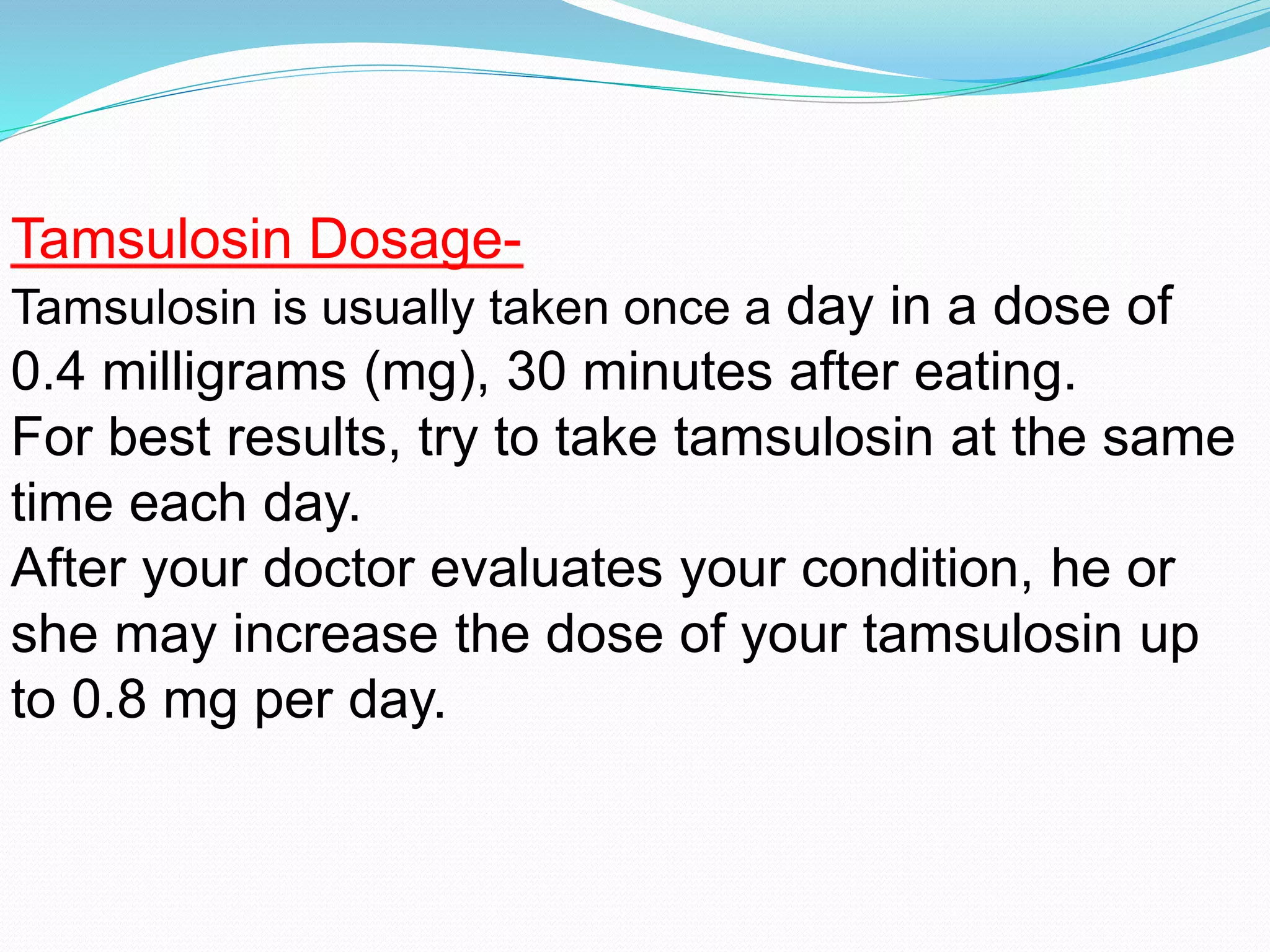
Typical dosage: 0.4-mg capsule once daily.
Dosage increase: If there is insufficient improvement after two to four weeks at 0.4 mg, your doctor may increase the dose to 0.8 mg once daily.
Senior dosage (ages 65 years and older)
Older adults may metabolize this medication more slowly. Your doctor may begin treatment at a lower dose to prevent excessive drug accumulation, which could increase the risk of side effects.
Disclaimer: Our objective is to provide current and relevant information. However, not all possible dosages are listed here. This material does not replace medical advice. Always follow your healthcare provider’s dosing instructions.
Take as directed
Tamsulosin oral capsule is generally prescribed for long-term use. If you are asking, how long should I take tamsulosin?, it is important to understand that many men remain on it for an extended period to maintain symptom relief. Stopping abruptly or skipping doses can reduce its effectiveness.
If you stop taking the drug suddenly or don’t take it at all: Your BPH symptoms are unlikely to improve. If you discontinue the medication for several days, consult your doctor before restarting.
If you miss doses or don’t take the drug on schedule: The medication may not work optimally. Consistent daily dosing helps maintain a steady level in your body.
If you take too much: An overdose can lead to low blood pressure, which may be dangerous.
If you suspect an overdose, contact your doctor or seek advice from the American Association of Poison Control Centers at 1-800-222-1222 or use their online tool. If symptoms are severe, call 911 or go to the nearest emergency room immediately.
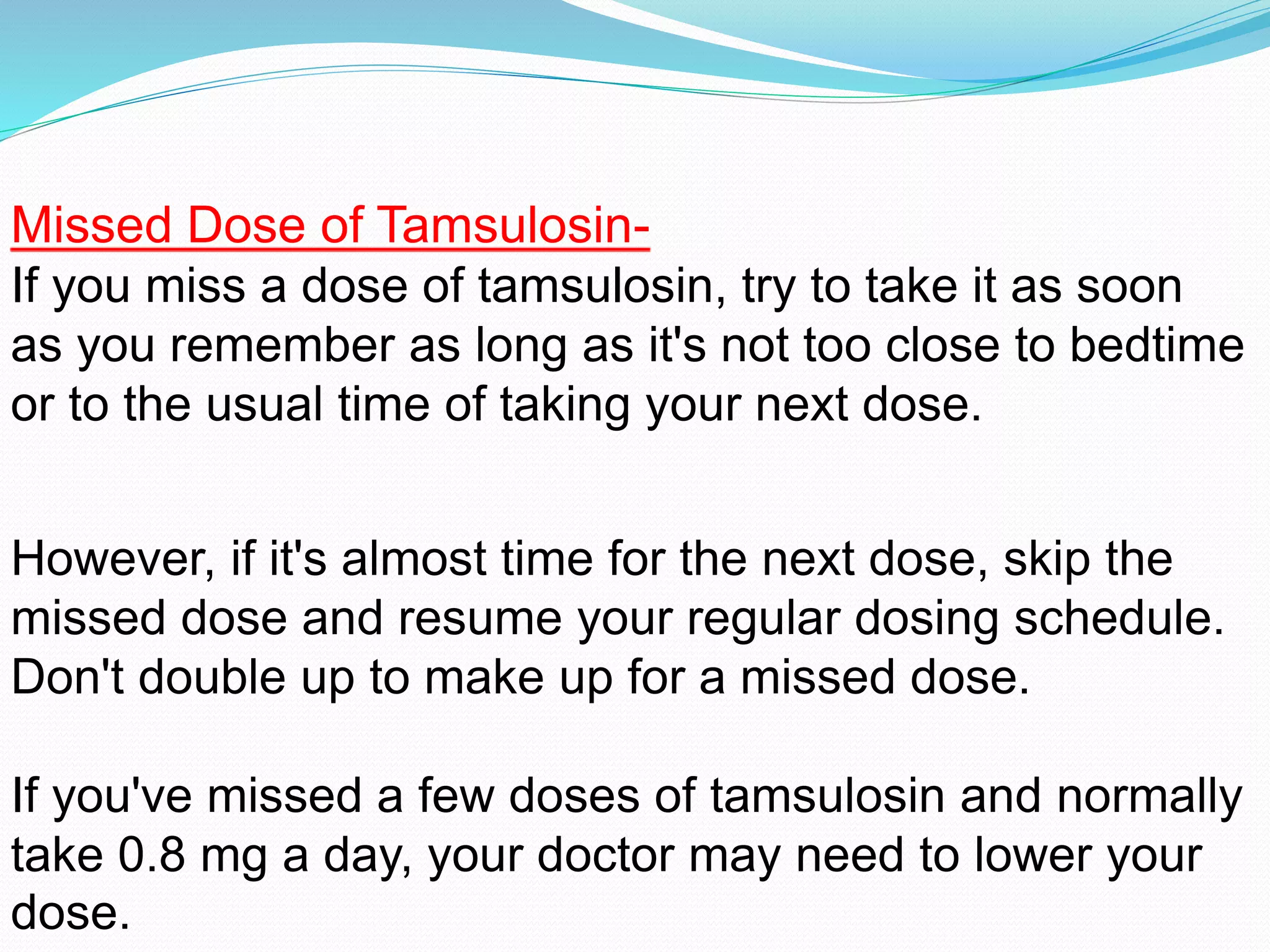
What to do if you miss a dose: Take it as soon as you remember. If it is almost time for your next scheduled dose, take only one dose. Do not double up to compensate for a missed dose.
How to tell if the drug is working: Improvement may include less frequent urination, reduced urgency, fewer nighttime bathroom trips, and a stronger urine stream.
Tamsulosin cost
The price of tamsulosin can vary depending on your pharmacy, insurance coverage, and whether you choose the brand-name or generic version.
Important considerations for taking tamsulosin
If your doctor prescribes this medication, keep the following points in mind.
General
- Take this medication 30 minutes after the same meal each day to maintain consistent absorption. If you’re unsure about timing, you may find guidance here: Should I take tamsulosin in the morning or at night.
- Swallow the capsule whole. Do not crush or split it.
- Do not change your dosing schedule without medical advice. Some patients ask, Can you take tamsulosin in the morning and at night; however, dosing adjustments should only be made under a doctor’s supervision.
Storage
- Store at room temperature between 59°F and 86°F (15°C and 30°C).
- Do not freeze.
- Protect from light.
- Avoid storing in damp places such as bathrooms.
Refills
This prescription is typically refillable. Your doctor will specify the number of authorized refills on your prescription.
Travel
When traveling:
- Keep your medication with you at all times. When flying, place it in your carry-on bag.
- Airport X-ray machines will not damage your medication.
- Carry the original labeled prescription container, as you may need to show it to airport staff.
- Avoid leaving the medication in a car, especially in extreme temperatures.
Clinical monitoring
BPH symptoms can overlap with more serious conditions, including prostate cancer. Before beginning tamsulosin, discuss appropriate screening with your doctor.
Regular follow-up appointments are important. During these visits, your doctor will assess symptom improvement and determine whether ongoing treatment is necessary.
Are there any alternatives?
Other medications are available to manage BPH. Some individuals may respond better to alternative treatments depending on their overall health, symptom severity, and tolerance to side effects. Discuss all available options with your doctor to determine the most suitable therapy.
Important warnings
- Low blood pressure warning: Tamsulosin may cause dizziness or a drop in blood pressure when standing up from a sitting or lying position. After your first dose or a dose increase, understand how the medication affects you before engaging in activities that could result in injury.
- Priapism warning: Although rare, tamsulosin can cause priapism, a prolonged and painful erection unrelated to sexual activity. Seek immediate medical attention if this occurs, as untreated priapism can result in permanent impotence.
- Skin reactions warning: In rare cases, severe skin reactions such as Stevens-Johnson syndrome may occur. Symptoms can include raised welts, facial swelling, fever, and difficulty breathing. Seek emergency medical care if you experience these signs.
- Intraoperative floppy iris syndrome (IFIS) warning: IFIS may occur during cataract or glaucoma surgery and has been reported in patients taking tamsulosin. Inform your surgeon if you are currently using or have previously used this medication.
Tamsulosin warnings
This medication carries several important warnings.
Allergy warning
Tamsulosin can trigger serious allergic reactions, including Stevens-Johnson syndrome. Symptoms may include:
- trouble breathing
- swelling of your throat or tongue
- rash, itching, hives
If you experience signs of an allergic reaction, contact your doctor or local poison control center immediately. If symptoms are severe, call 911 or go to the nearest emergency room.
Do not take this drug again if you’ve ever had an allergic reaction to it or to sulfa. Re-exposure could be fatal. Sulfa is present in certain medications, so inform your doctor of any past serious or life-threatening reactions.
Disclaimer:HealthEH strives to ensure that all information provided is accurate, thorough, and current. However, this content should not replace the advice of a licensed healthcare professional. Always consult your doctor or qualified healthcare provider before starting or stopping any medication. Drug information may change and is not intended to cover all possible uses, instructions, precautions, warnings, interactions, allergic reactions, or adverse effects. The absence of specific warnings does not guarantee that a drug or drug combination is safe or appropriate for every patient.





















Leave a Reply
You must be logged in to post a comment.