
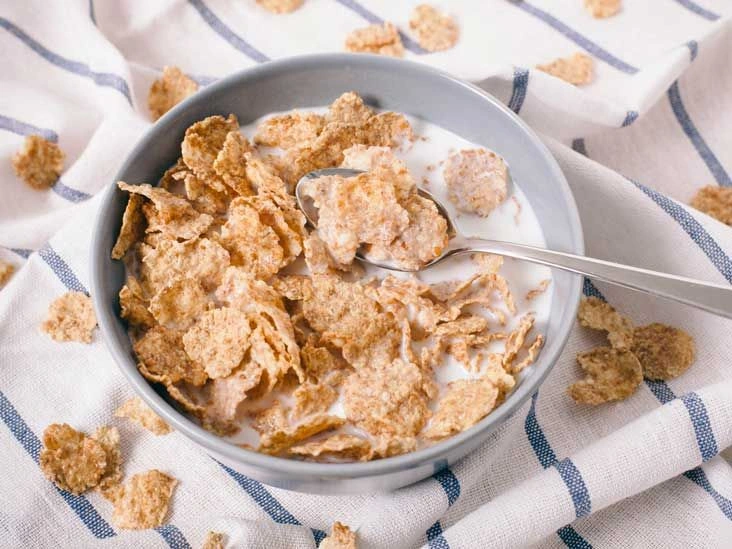
Kellogg’s All-Bran, Quaker Oatmeal, and Cream of Wheat rank among commonly chosen breakfast cereals that can be suitable for people managing diabetes.
Many breakfast cereals are composed of rapidly digestible carbohydrates. These products tend to have a high glycemic index (GI), meaning they’re broken down quickly by the body and can prompt a fast rise in blood glucose.
If you’re living with diabetes, that rapid increase can contribute to hyperglycemia (high blood sugar), which may be dangerous.
However, cereals are not all alike. People with diabetes can still enjoy certain types of cereal when they pick wisely.
Below we’ve arranged our cereal suggestions for people with diabetes, ranked from higher GI to lower GI.
What is the glycemic index?
The glycemic index (GI) is a scale that measures how rapidly carbohydrates raise blood glucose. Foods are grouped as low, medium, or high GI on a 0–100 scale:
- Low: 0–55
- Medium: 56–69
- High: 70–100
For people with diabetes, lower GI cereals are generally preferable because your body digests them more slowly, leading to a steadier release of glucose into the bloodstream. This can help control insulin response and reduce sudden blood sugar surges.
Several elements—such as cooking duration, acidity, and what you eat alongside the cereal—can also modify a food’s GI.
For instance, a 2018 study in Indian men found that consuming breakfast cereals with milk helped reduce the glycemic response because milk contributes a relatively high protein-to-carbohydrate ratio.
What is glycemic load?
Glycemic load (GL) is another way to evaluate how a food influences blood sugar. It accounts for both the GI of a food and the actual amount of carbohydrate in a typical portion.
As a result, GL can be a more practical tool for distinguishing better carbohydrate choices from less ideal ones. Some items may have a high GI yet a low GL, making them acceptable for people with diabetes.
A food’s GL is commonly categorized into three levels according to the criteria:
- Low: 0–10
- Medium: 11–19
- High: 20 and above
Cornflakes
On average, cornflakes show a high GI of 79 and a GL of about 20 for a 1-cup serving.
The main ingredient is milled corn, which generally has a higher GI than whole-grain substitutes. Milling strips away the tough outer layer of the corn kernel, leaving a starchy product with limited nutrients and many rapidly digestible carbs.
Kellogg’s Corn Flakes are the most widely known brand. If choosing cornflakes, prefer the plain variety rather than sugar-coated or honey-and-nut types, which can elevate blood glucose more quickly.
:max_bytes(150000):strip_icc()/ew-cereal-lead-738bc62460fd4f3585115e0348ee1979.jpg)
Discover more about Type 2 Diabetes
Grape-Nuts
Grape-Nuts is a whole-grain, round-kernel cereal made from wheat flour and malted barley. These cereals have a GI of about 75 and a GL of 16 per 30-gram serving.
Grape-Nuts provides a useful source of:
- vitamins B6 and B12
- folate
- fiber — offering 7 g per 1/2-cup serving
Fiber plays a key role in diabetes care because it can help you:
- slow digestion
- stabilize and better manage blood glucose
- support healthy digestion
- increase feelings of fullness
Rice-based cereals
Rice-based cereals like Kellogg’s Special K may have a slightly lower impact on blood sugar than Grape-Nuts. In the United States, Special K has a GI of about 69 and a GL of 14 for a 30 g serving.
Special K comes in multiple varieties that differ in calories and nutrient profiles, including:
- Red Berries
- Fruit & Yogurt
- Multigrain
- Oats & Honey
Cream of Wheat
Cream of Wheat is a porridge made from farina, a finely ground wheat product.
It’s known for a smooth consistency and mild taste. Malt-O-Meal is another common brand of farina porridge.
A 250 g serving of regular Cream of Wheat registers a GI near 66 and a GL of 17. The instant variety has a higher GI of 74 and a GL of 22.
Muesli
Unsweetened muesli has a GI of around 57.
It’s made from raw rolled oats combined with ingredients such as dried fruit, seeds, and nuts. Trusted brands include Alpen Original Muesli, Bob’s Red Mill, and Familia Swiss Muesli Cereal.
Because oats form the foundation of muesli, it’s a strong source of dietary fiber.
Oatmeal
Oatmeal is among the healthiest cereal choices, with a GI of about 55.
It’s produced from whole oats and is available as specialty, organic, or popular fortified brands like Quaker.
However, steer clear of instant oats when possible; they can have a GI of 79 and may offer up to double the GL of traditional oats.
Avoid sweetened oatmeal versions too, since they contain added sugars and extra calories.

Wheat bran cereals
Wheat bran cereals, such as Kellogg’s All-Bran and Post 100% Bran, tend to have the lowest GI and GL values.
On average, they have a GI near 45 and a GL of about 10 per 1-cup serving.
A 2016 review of 64 studies indicated that consuming whole-bran breakfast cereals 2–6 times weekly may reduce the risk of developing type 2 diabetes.
The wheat bran is processed into flakes or pellets, making these cereals denser than rice-based options due to their higher fiber concentration.
Wheat bran cereals are also good sources of:
- thiamine
- iron
- zinc
- magnesium
- folate
- vitamin B12
| Breakfast cereal | GI |
|---|---|
| wheat bran cereals | 45 |
| oatmeal | 55 |
| muesli | 57 |
| Cream of Wheat | 66 |
| rice-based cereals | 69 |
| Grape-Nuts | 75 |
| cornflakes | 79 |
Alternatives
There are many other breakfast choices that work well for people with diabetes, including:
- eggs
- plain Greek yogurt
- diabetic friendly smoothies
- avocado on multigrain toast
- cottage cheese with fruit and nuts
Be cautious with beverages, particularly fruit juices, since they usually have higher GI values than whole fruit.
Frequently asked questions
Are Cheerios okay for diabetics?
Cheerios have a GI of roughly 74, placing them in the high GI category. People with diabetes may want to consider other cereals, such as wheat bran options like Kellogg’s All-Bran or Post 100% Bran.
What kind of cereal can I eat with diabetes?
The best cereal choices for people with diabetes usually have a low-to-medium GI and are made from whole grains rather than refined grains.
Suitable options include:
- wheat bran cereals
- regular (non-instant) oatmeal
- muesli
Is there a diabetic breakfast cereal?
There isn’t a cereal made exclusively for people with diabetes, but an appropriate cereal for diabetes management should:
- have a low GI
- be high in fiber
- contain no added sugars
- be based on whole grains
Takeaway
Eating a balanced breakfast matters when you have diabetes. A thoughtful morning meal can help stabilize blood sugar and control hunger throughout the day.
Certain breakfast cereals can be acceptable choices. Aim for low-GI options that enter the bloodstream more gradually and are less likely to cause quick blood sugar spikes.
Try to avoid cereals made from refined grains, those with added sugars, and varieties low in fiber.






















Leave a Reply
You must be logged in to post a comment.