

Key takeaways
- Botox (onabotulinumtoxinA) is a prescription injectable used to treat certain medical issues by relaxing targeted muscles and glands. It’s supplied as a powder that a clinician will reconstitute into a liquid for injection.
- Your Botox dose will depend on multiple factors, including your age and the condition being treated.
- Follow-up Botox treatments may be administered after the effects of a prior dose diminish. Botox’s effects commonly last at least 3 months, and often longer.
Botox injections may be used in adults and some children to address the following problems:
- blepharospasm (eyelid twitch)
- muscle spasticity
- strabismus (crossed or misaligned eyes)
- urinary incontinence due to a neurologic disorder, such as multiple sclerosis or spinal cord injury
Clinicians may also prescribe Botox for adults with these conditions:
- cervical dystonia (neck muscle spasms)
- chronic migraine
- excessive underarm sweating
- urge urinary incontinence, urgency, and frequency from an overactive bladder
The active component in Botox is onabotulinumtoxinA (the ingredient that produces the therapeutic effect).
This article outlines typical Botox dosages, available strengths, and how it’s administered.
What is Botox’s dosage?
Adult dosing is covered first. For pediatric dosing details, see the section “What’s the dosage of Botox for children?”.
The table below summarizes common single-session Botox doses for adults.
| Condition | Dose (divided across injections) | Injection sites and muscles |
|---|---|---|
| chronic migraine | 155 units | 31 sites in 7 head and neck muscle groups |
| excessive underarm sweating | 50 units per armpit | 10 to 15 sites per armpit |
| muscle spasticity, lower limbs | 300 to 400 units | up to 16 sites in 5 muscle groups |
| muscle spasticity, upper limbs | 75 to 400 units | up to 18 sites in 13 muscle groups |
| neck muscle spasms | 15 to 100 units per muscle | up to 8 muscle groups |
| strabismus (crossed or misaligned eyes) | 1.25 to 25 units per muscle | 1 or more of the 6 muscles around the eye |
| blepharospasm (twitching eyelid) | 1.25 to 2.5 units per site in the affected eye | 3 sites per affected eye |
| urinary incontinence from a neurologic condition | 200 units | 30 sites in the bladder muscle |
| urinary incontinence, urgency, and frequency from overactive bladder | 100 units | 20 sites in the bladder muscle |
When beginning treatment, your clinician will typically start with the lowest suggested dose. If Botox is being used for more than one indication, the combined dose should remain under 400 units within any 3-month period.
Continue reading for more details on Botox dosing.
What is the form of Botox?
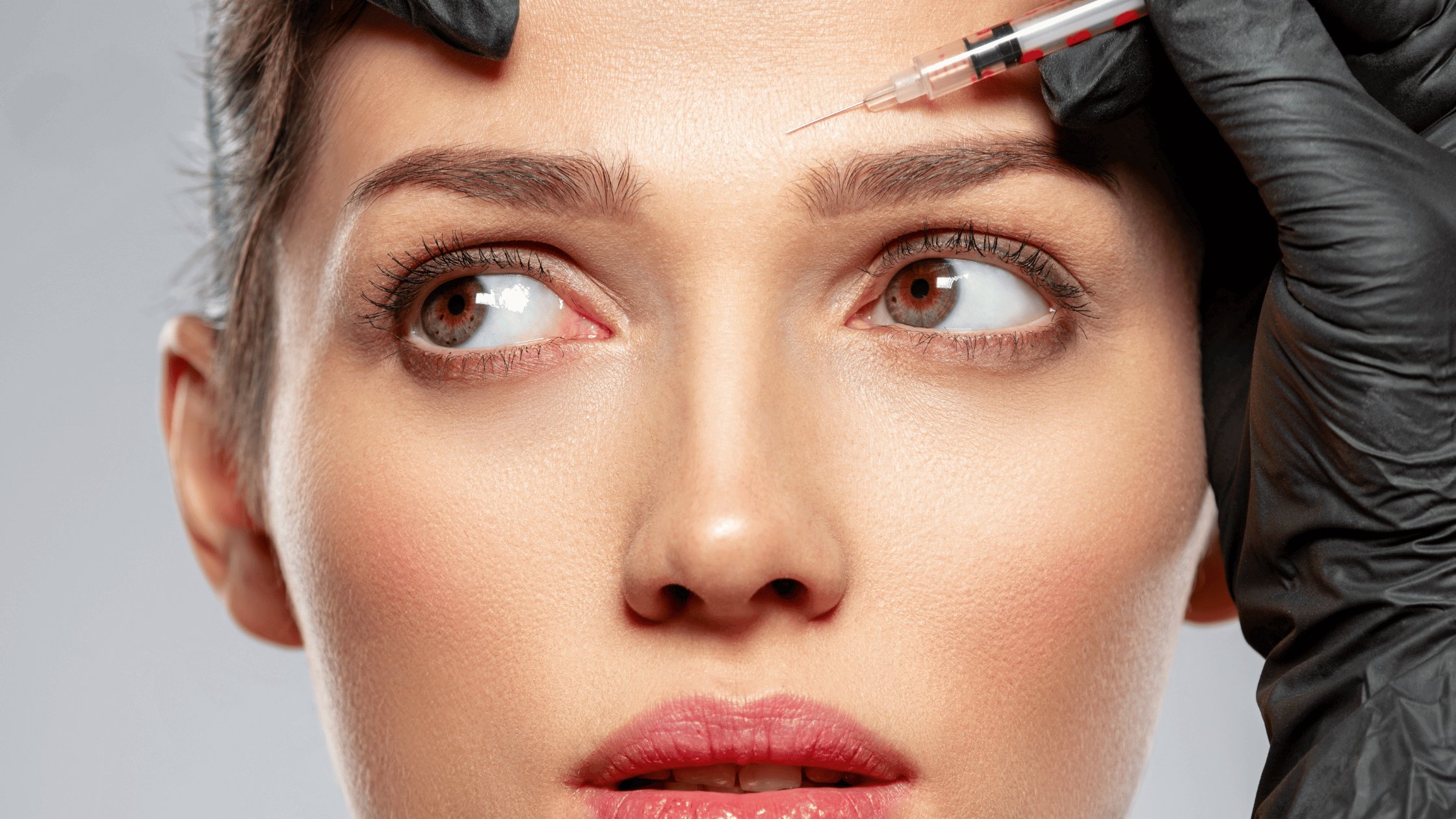
Botox is sold as a powder in single-use vials. A healthcare provider reconstitutes the powder with sterile saline to form a liquid, which is drawn into a syringe for injection. The provider injects this solution into the targeted muscles or, in some cases, into the skin.
What strengths does Botox come in?
Botox vials are available in two sizes: 100 units per vial and 200 units per vial.
Your clinician decides how much sterile saline to add to reach the desired concentration, which is expressed as units of Botox per 0.1 milliliter of saline (units/0.1 mL).
What are the usual dosages of Botox?
Doses depend on the condition, and on the size, number, and location of the muscles or skin areas treated. Your provider will choose an initial dose and may tweak it in future sessions to find the lowest effective amount.
The following sections describe commonly used or recommended doses. However, your clinician will select the regimen that best suits your needs.
Dosage for migraine
For chronic migraine, practitioners often inject Botox into muscles of the head and neck. The typical total dose is 155 units, distributed across multiple areas, such as:
- the back of the head
- either side of the spine at the top of the neck
- along the trapezius where the neck meets the shoulders
- the forehead
- both temples
Injections are generally repeated every 12 weeks to help prevent headaches and other migraine symptoms.
Dosage for urinary incontinence caused by an overactive bladder
Botox can treat certain bladder issues, including urge urinary incontinence and urgency/frequency from an overactive bladder.
When used for overactive bladder, your clinician inserts a cystoscope to visualize the interior of the bladder and administers 100 units of Botox scattered throughout the bladder muscle. This procedure is typically done under local anesthesia with or without sedation for comfort.
Repeat injections are given when effects wane, but not sooner than 12 weeks after the previous treatment. In studies, most people needed retreatment around 19 to 24 weeks.
Dosage for urinary incontinence caused by a neurologic condition
If a neurologic disorder such as multiple sclerosis or spinal cord injury causes urinary incontinence, Botox injections may be recommended.
Using a cystoscope, your clinician will inject 200 units of Botox throughout the bladder muscle. This can be done under local anesthesia with or without sedation, or under general anesthesia.
Repeat injections occur once the effect fades, but not before 12 weeks have passed. In studies, most people required another treatment at about 42 to 48 weeks.
Dosage for neck muscle spasms
Cervical dystonia is a less common disorder causing painful neck muscle contractions that twist or tilt the head.
Your provider may suggest Botox injections. Based on which neck muscles are involved, Botox will be carefully injected into one or more muscle groups. Electromyography or ultrasound may be used to locate needle placement precisely.
Initial treatment usually starts at a low dose—often around 100 units—to assess response. Doses are then adjusted over time. Depending on the involved muscles, a clinician might inject 15 to 100 units into each muscle. In one trial, average total doses ranged from 200 to 300 units. Repeat treatments are commonly scheduled every 12 weeks.
Dosage for excessive sweating
Botox is FDA-approved for treating excessive underarm sweating and may be used off-label for sweating on the hands or face. (Off-label means a drug is used for an indication other than its approved purpose.)
To treat the armpits, Botox is injected just beneath the skin’s surface. The typical dose is 50 units per armpit, divided into 15 to 20 small injections. You can read more about botox for sweating and how it’s used.
Repeat treatments are scheduled when the benefit diminishes.
Dosage for strabismus (crossed or misaligned eyes)
Strabismus occurs when one or more eye muscles are too active and disrupt coordinated eye movement. Botox can temporarily relax these muscles to help realign the eyes.
Before injecting around the eye, your clinician will typically use topical anesthetic drops. Electromyography helps pinpoint the small eye muscles, and 1.25 to 5 units of Botox are injected into the affected muscle(s).
Changes in eye movement are often noticeable within 1 to 2 days and become more apparent over the first week. Seven to 14 days after treatment, your provider will reassess to plan any further injections. Effects usually last 2 to 6 weeks and then gradually wear off; additional injections may be given afterward.
Dosage for blepharospasm (twitching eyelid)
Blepharospasm involves involuntary eyelid twitching or closure due to overactive eyelid muscles. Botox can reduce this overactivity.
Treatment typically involves injecting 1.25 to 2.5 units of Botox at three sites around the affected eye—two in the upper eyelid and one in the lower eyelid.
Doses may be increased in subsequent sessions depending on response. Repeat injections are often scheduled every 12 weeks or longer.
Dosage for muscle spasticity
When Botox is prescribed for muscle spasticity, the starting dose depends on the area being treated and how many muscles are involved. Repeat doses may vary based on current muscle involvement and prior response.
For upper limb spasticity, clinicians typically inject 75 to 400 units of Botox in divided doses into the affected muscles.
For lower limb spasticity, the usual range is 300 to 400 units, divided among the spastic muscles.
Electromyography may be used to identify injection sites. Repeat treatments are given once the initial benefit fades and at least 12 weeks after the prior treatment.
What’s the dosage of Botox for children?
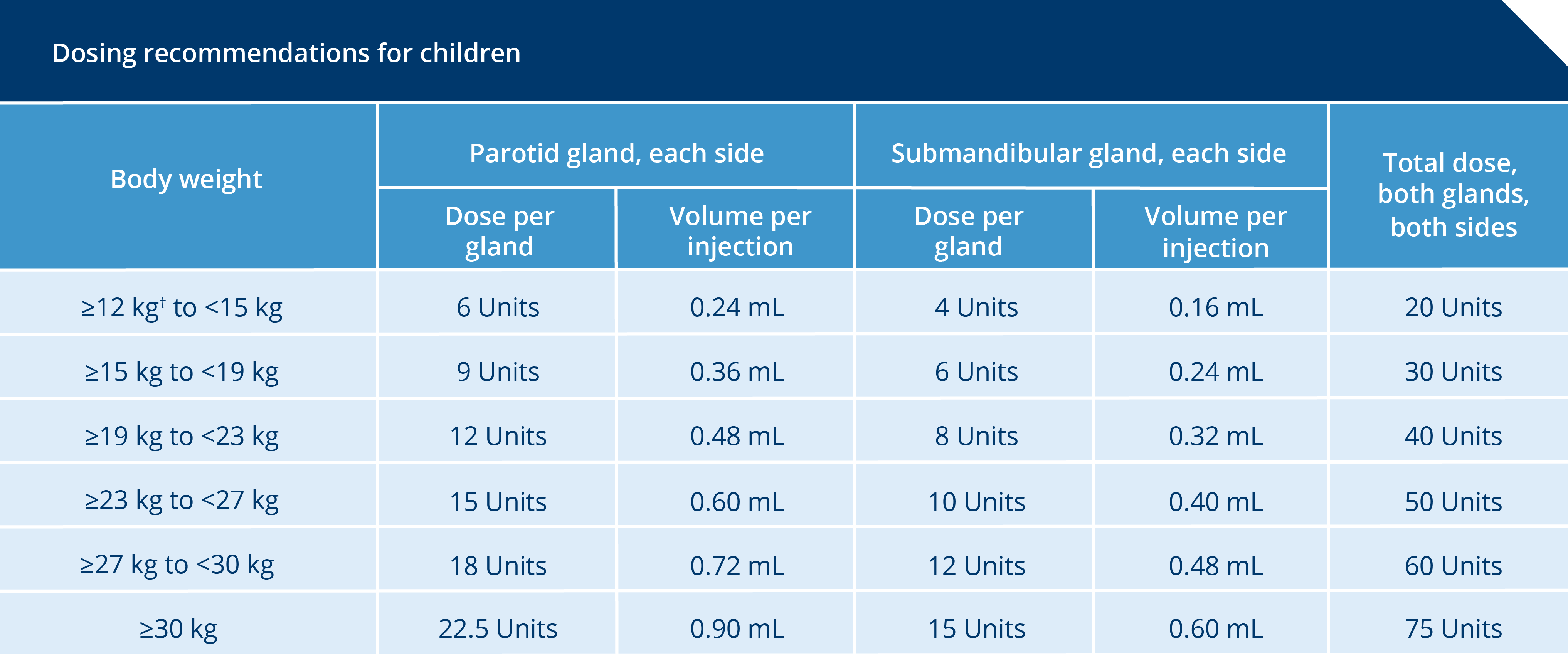
When treating children, providers should start with the lowest recommended dose. If a child receives Botox for multiple indications, the total dose should not exceed 10 units/kg of body weight or 340 units total (whichever is less) over a 3-month interval. One kilogram equals about 2.2 pounds.
Dosage for strabismus (crossed or misaligned eyes) in children
For children aged 12 years and older, Botox may be used for strabismus with the same dosing as adults. Some pediatric procedures may be performed under general anesthesia.
Dosage for muscle spasticity in children
Botox can treat spasticity in children 2 years and older. Dosing is weight-based and depends on injection locations. Ultrasound or electromyography may be used to identify muscles and optimal injection sites.
For upper limb spasticity, a dose of 3 to 6 units/kg is recommended, up to a maximum of 200 units, divided among the affected upper limb muscles.
For lower limb spasticity, total dosing should be 4 to 8 units/kg, divided among the involved muscles. The total should not exceed 8 units/kg or 300 units, whichever is less.
Dosage for blepharospasm (twitching eyelid) in children
For children 12 years and older with blepharospasm, clinicians may use the same dosing as for adults.
Dosage for urinary incontinence due to a neurologic condition in children
Botox is approved for urinary incontinence due to neurologic disease in children aged 5 years and older. Dosing is weight-based. For children over 34 kg (about 75 lb), the adult dose of 200 units applies.
For children under 34 kg, the suggested dose is 6 units/kg. The procedure may be done under general or other forms of anesthesia. Repeat injections are needed when the effect fades; in studies, retreatment occurred on average every 30 weeks. Do not repeat injections sooner than 12 weeks after the last treatment.
Is Botox used long term?
Yes. Botox is commonly used as an ongoing therapy. If you and your clinician agree it’s effective and safe for your condition, you’ll likely continue receiving injections over the long term.
What factors can affect my dosage?
Several factors may influence your prescribed Botox dose, including:
- the type and severity of the condition being treated
- your age
- body weight (particularly in children)
- other medications you are taking
How is Botox given?
Your prescribing clinician will administer Botox. The approach varies by condition. Key considerations include:
- Location: Injections may be given in a doctor’s office, an outpatient surgical center, or a hospital.
- Anesthesia: Local anesthetic is often used to numb the injection site, sometimes with sedation. For certain procedures, a general anesthetic may be recommended.
- Additional tools: Electromyography or ultrasound may be used to locate muscles and optimal injection points. A cystoscope is used to view and access the bladder.
- Type of injection: Botox is usually injected into muscles, but for hyperhidrosis it’s injected into the skin.
- Number of injection sites: Multiple small injections are commonly placed rather than a single injection because Botox does not spread far from where it’s injected.
Discuss with your provider how Botox will be administered for your specific situation.
What if I miss a dose?
If you miss an appointment for your Botox injection, contact your clinician’s office to reschedule. They’ll adjust your treatment timeline as needed.
To help remember appointments, consider setting alarms or using a reminder app on your phone.
What should I ask my doctor?
The sections above summarize manufacturer dosing guidance. If your doctor recommends Botox, they will individualize the dose for you.
Ask your provider about any concerns or questions related to your dose. Sample questions include:
- Could my other medications change the recommended Botox dose?
- Am I at greater risk of side effects with higher Botox doses?
- How often will I need injections?
- Will I need anesthesia?
- Is my dose likely to change over time?
For information on various conditions and health tips, subscribe to HealthEH’s newsletters. You might also explore online support communities like Bezzy to connect with others facing similar issues.
Disclaimer: Efforts have been made to ensure this information is accurate and up to date, but it is not a substitute for professional medical advice. Always consult a licensed healthcare professional before starting or changing any treatment. Drug information may change and may not include all possible uses, directions, precautions, warnings, interactions, allergic reactions, or adverse effects. The absence of specific warnings does not imply a drug or combination is safe, effective, or appropriate for every patient or use.



















Leave a Reply
You must be logged in to post a comment.