
Key takeaways
- Noticeable breast changes — including lumps, shifts in size or skin color, or nipple irregularities — may be warning signs of breast cancer.
- Performing monthly self-exams helps you understand what is normal for your breasts, making it easier to identify unusual differences early.
- Prompt diagnosis and timely treatment of breast cancer greatly improve outcomes, since cancer cells can spread to other areas of the body if not addressed quickly.
Breast cancer develops due to mutations in the genes of breast cells. These mutations lead to uncontrolled growth and division of abnormal cells.
The precise cause of breast cancer remains unclear, though certain individuals face a higher risk. This includes those with a personal or family history of breast cancer as well as specific inherited gene mutations.
Breast cancer is the most common cancer in females, although males can also be affected.
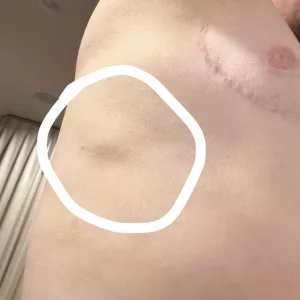
Early detection and appropriate treatment provide the most favorable outlook. For that reason, routine mammograms are essential. A doctor can recommend a screening schedule tailored to your age and risk factors. In addition, performing regular breast self-exams each month can help you detect changes sooner and seek medical advice promptly. Reviewing trusted resources, including Cancer lumps pictures, may also help you recognize suspicious findings while understanding that professional evaluation is always necessary.
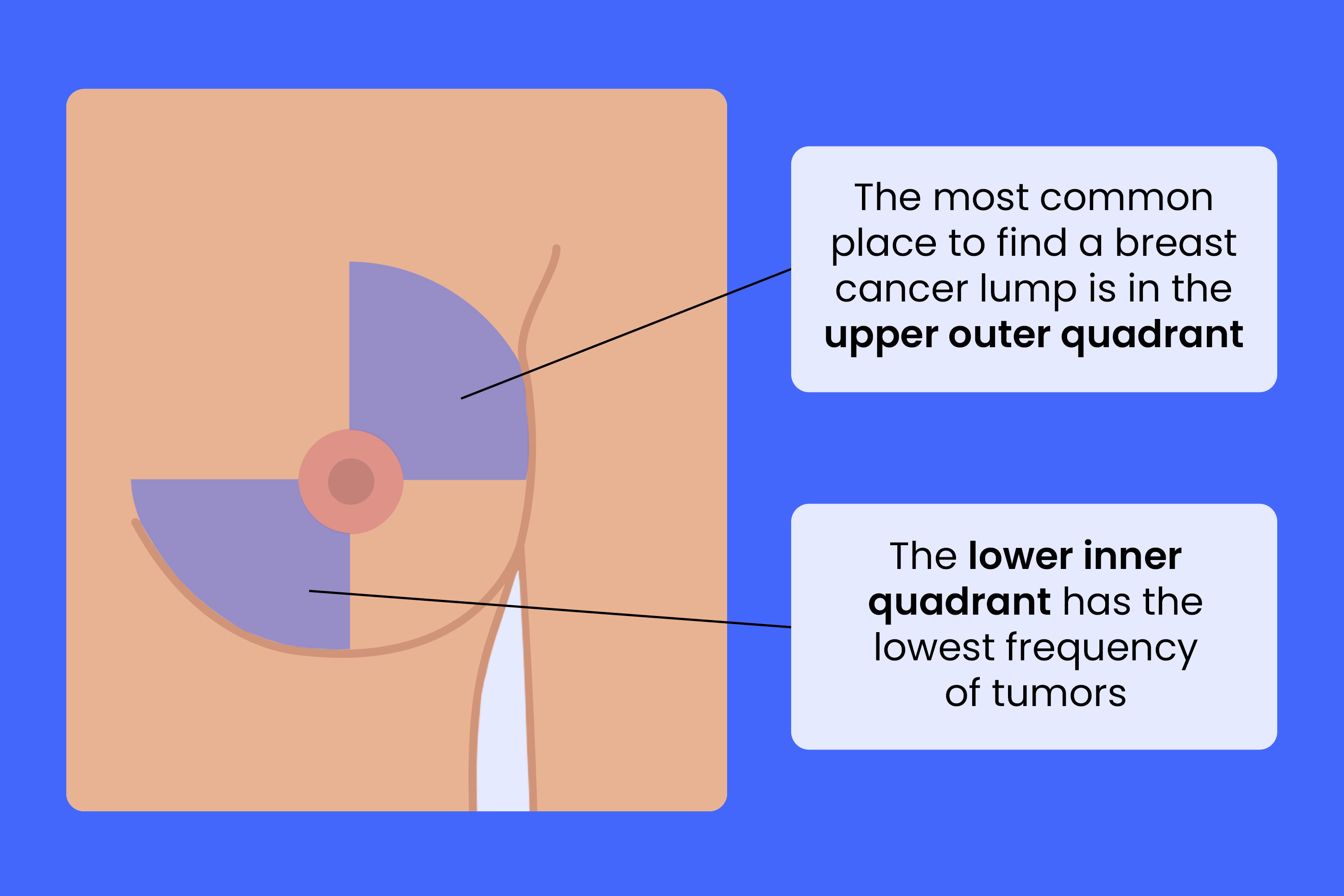
Because cancer cells can metastasize (spread) beyond the breast tissue, identifying symptoms early may lead to earlier intervention and improved survival rates.
What does a cancer lump on the breast look like?
In many cases, a breast lump is more noticeable by touch than by sight. However, breast cancer can sometimes cause visible skin or nipple changes, including:
- dimpled skin that resembles an orange peel
- peeling or flaky skin
- inverted (turned in) nipples
- a rash
These signs do not automatically mean you have breast cancer. In fact, most breast lumps are benign (noncancerous). Still, if you observe any of these changes, consult a healthcare professional for evaluation. If you are unsure When to worry about a lump under skin, a medical provider can help determine whether imaging or a biopsy is necessary.
Learn more about lumpectomy vs. mastectomy.
Why is it important to do a monthly self-exam of your breast?
The earliest signs of breast cancer are often easier to feel than to see. Conducting a monthly breast self-exam allows you to become familiar with your normal breast texture and appearance.
Although there’s no evidence that self-exams detect cancer before symptoms arise, they can help you quickly notice new lumps, thickening, or other differences in your breast tissue. Comparing what you feel with reliable Cancer lumps pictures may provide context, but it should never replace a clinical assessment.
Try to check your breasts at least once each month. The ideal time is a few days after your menstrual cycle begins, when hormonal swelling has decreased. If you no longer have periods, such as after menopause, select a consistent date every month to perform the exam.
How to do a breast self-exam
Place one hand on your hip and use the opposite hand to gently move your fingers across all areas of each breast, feeling for lumps, thickened areas, or unusual firmness. Be sure to examine the area beneath your armpits as well, since breast tissue extends there.
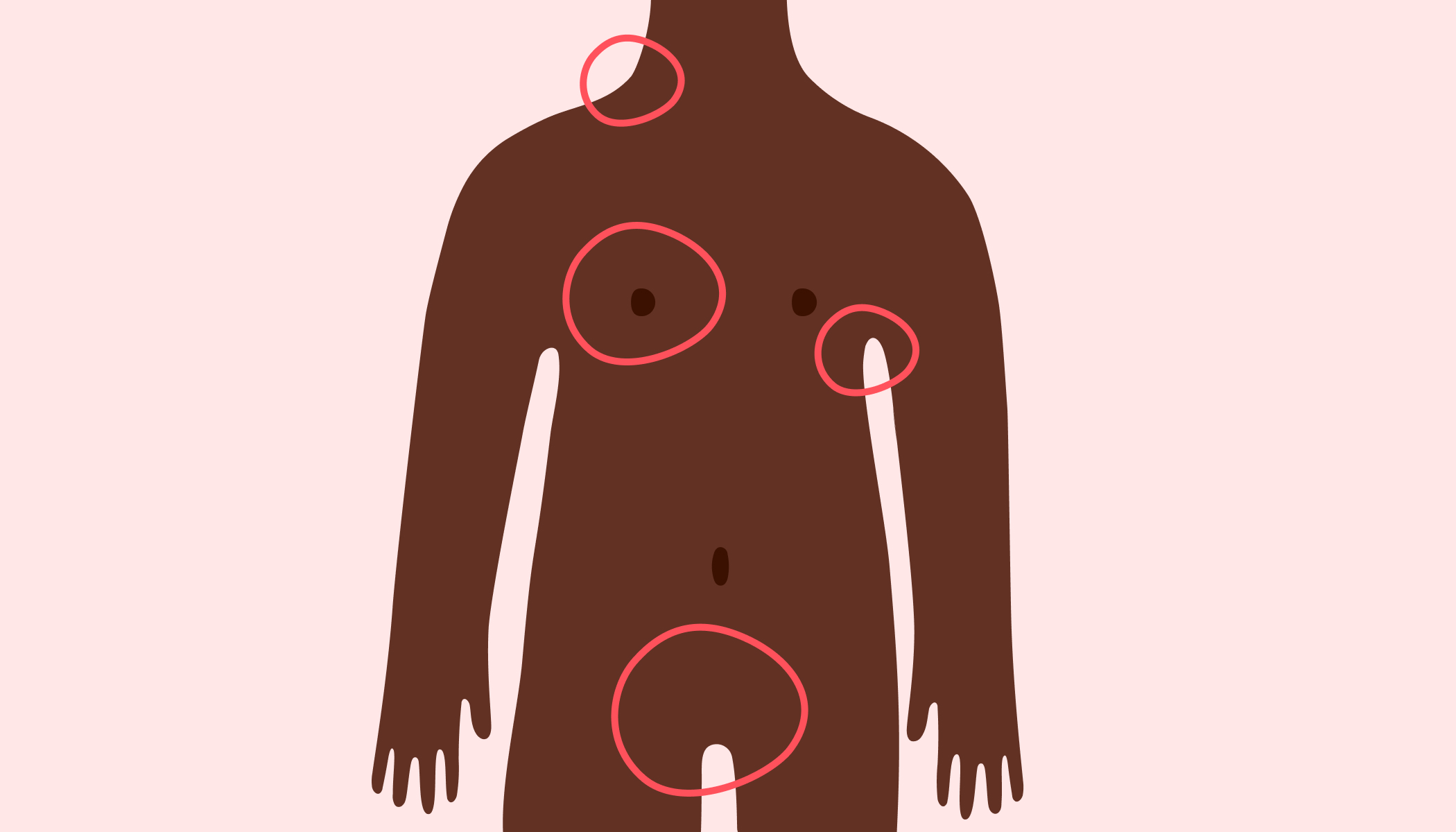
Some individuals naturally have lumpier breast tissue. You may detect areas that feel uneven. Benign tumors or cysts can also create palpable lumps. In some cases, people describe a Rock hard lump under skin, which may or may not be cancerous. Only appropriate imaging and medical evaluation can determine the cause.
Even though not every lump signals cancer, it’s crucial to speak with a doctor promptly about any new or changing finding.
Learn more about pseudoangiomatous stromal hyperplasia.
What is nipple discharge like?
If you are breastfeeding, a milky nipple discharge is common. However, discharge that occurs when you are not breastfeeding may sometimes indicate breast cancer. It can appear:
- whitish
- clear
- bloody
Discharge may involve just one nipple and originate from a single duct.
If you notice nipple discharge unrelated to breastfeeding, schedule a medical appointment. A healthcare professional can evaluate the symptom and determine its underlying cause.
What changes in the size and shape of the breast may happen in breast cancer?
It is normal for breasts to become slightly swollen during your menstrual cycle. However, swelling or dimpling at other times could be a warning sign of breast cancer.
Consider speaking with a doctor if you observe:
- swelling in one breast but not the other
- swelling outside your menstrual cycle
- one breast suddenly appearing larger than the other
- breast swelling accompanied by other symptoms
Keep in mind that swelling in one or both breasts can also occur due to other conditions, such as mastitis, which is an infection of the breast tissue.
What are inverted nipples?
Over time, nipple appearance can change and still be considered normal. However, if your nipple becomes newly inverted, discuss it with a doctor.
Instead of pointing outward, an inverted nipple retracts inward into the breast.
An inverted nipple alone does not confirm breast cancer. Some people naturally have flat or inverted nipples, and others may develop inversion gradually. Even so, medical evaluation is important to rule out underlying causes.
What does peeling, scaling, or flaking skin on the breast mean?
A form of breast cancer known as Paget disease that involves the nipples can cause noticeable skin changes. Symptoms affecting the breast or nipple may include:
- peeling
- scaling
- flaking
Although these symptoms can be associated with breast cancer, they may also result from atopic dermatitis (eczema) or other dermatologic conditions.
A physician can perform appropriate tests to identify the source of these skin changes and suggest suitable treatment options.
What does breast cancer discoloration and swelling look like when it first starts?
Inflammatory breast cancer (IBC) is a rare but aggressive type of breast cancer that affects the skin and lymph vessels of the breast. Early signs may include redness, discoloration, and swelling. Unlike many other types of breast cancer, IBC typically does not present with a distinct lump.
With IBC, the affected area may appear:
- swollen
- warm
- discolored or red
- itchy
The skin may resemble insect bites or develop a pitted texture similar to an orange peel. Symptoms can change as the disease progresses, making prompt medical evaluation critical.
What are the early signs of breast cancer on the skin?
A rash is not the only visible indication of IBC. This cancer type can significantly alter how the breast looks.
You might notice dimpling or pitting of the skin. Because of underlying inflammation, the surface of the breast may take on an orange peel–like appearance. Reviewing Cancer lumps pictures and clinical images can help you understand these visual patterns, but diagnosis requires imaging studies and sometimes a biopsy.
Other frequently asked questions
Can breast cancer be found in the armpit?
Yes. Breast cancer can spread to the axillary lymph nodes located in the armpit, particularly in later stages.
Are breast cancer lumps in the armpit hard?
Lumps related to breast cancer in the armpit may feel hard, but this is not always the case. Texture can vary depending on the type of breast cancer and its stage.
Can skin cancer look like breast cancer?
In some situations, skin cancer appearing on the breast or nipple may resemble breast cancer.
Skin cancer on the breast often shows up as a new or evolving mole, lesion, or patch with irregular borders, varied coloring, or an unusual shape.
Breast cancer, by contrast, more commonly presents as a lump or thickened area within the breast tissue, changes in skin texture or color, nipple discharge, or alterations in breast size or contour.
A healthcare professional should evaluate any concerning skin or breast changes to establish an accurate diagnosis.
Does a mammogram show inflammatory breast cancer?
A mammogram may reveal signs suggestive of inflammatory breast cancer, but results are not always definitive. Additional imaging tests and a biopsy are frequently required to confirm the diagnosis.
The bottom line
Breast cancer can be aggressive and potentially life threatening. However, when identified early and treated appropriately, survival rates are high.
According to the American Ca ncer Society, the 5-year relative survival rate for breast cancer, excluding ductal carcinoma in situ (DCIS), when diagnosed before spreading beyond the breast is 99%.
If the cancer extends to nearby lymph nodes, the survival rate is 86%. When it spreads to distant organs, the 5-year relative survival rate is 30%.
You can enhance your chances of early detection and effective treatment by:
- establishing a habit of monthly self-breast examinations
- seeing a doctor promptly if you detect any breast changes
- undergoing routine mammograms as recommended
Mammogram guidelines differ based on age and individual risk factors, so discuss with a doctor when to begin screening and how often to repeat it.
If you are diagnosed with breast cancer, remember that support is available. Connecting with others facing similar experiences can provide encouragement and practical advice. Join HealthEH to connect with others living with breast cancer.
















Leave a Reply
You must be logged in to post a comment.