
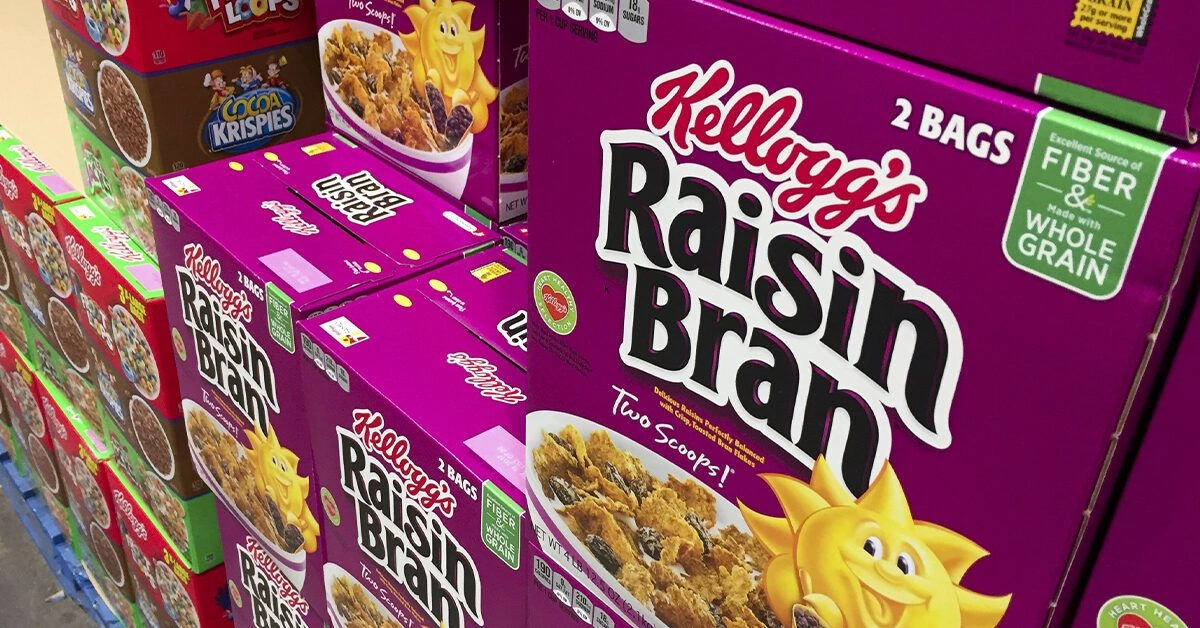
Raisin bran is commonly thought of as a convenient, flavorful, and wholesome breakfast cereal.
Made by several manufacturers, raisin bran usually consists of bran flakes, raisins, sweeteners, salt, flavorings, and added vitamins and minerals.
Because the term “bran” is associated with nutritious foods, many assume raisin bran is a healthy morning choice, but you might be wondering if that assumption is accurate.
This article examines whether raisin bran is a healthy cereal choice and looks at its nutritional profile, possible advantages, and drawbacks.
:max_bytes(150000):strip_icc()/raisin-bran-oatshoney-6f55e0a7f6344a9ead36cb409e7b7c64.png)
Nutrition and ingredients
Although different brands produce raisin bran, the core ingredient list and nutrient makeup are largely comparable.
Common ingredients in most raisin bran cereals include whole-grain wheat, raisins, wheat bran, sugar, brown sugar syrup, malt flavoring, salt, and added vitamins and minerals.
Raisin bran tends to be relatively energy-dense and supplies notable amounts of fiber, protein, and fortified micronutrients.
The nutrient values for a 1-cup (55–61 gram) portion of raisin bran from three well-known brands are shown in the table below (1, 2, 3).
| Kellogg’s Raisin Bran | General Mills Total Raisin Bran | Post Raisin Bran | |
|---|---|---|---|
| Calories | 194 | 172 | 191 |
| Protein | 4.7 grams | 3 grams | 4.5 grams |
| Fat | 1.7 grams | 1 gram | 1 gram |
| Total carbs | 47 grams | 42 grams | 47 grams |
| Fiber | 7 grams | 5 grams | 8 grams |
| Sugar | 18 grams | 18 grams | 19 grams |
| Calcium | 2% of the Daily Value (DV) | 80% of the DV | 2% of the DV |
| Iron | 42% of the DV | 105% of the DV | 61% of the DV |
| Magnesium | 18% of the DV | 8% of the DV | 24% of the DV |
| Phosphorus | 17% of the DV | 8% of the DV | 16% of the DV |
| Potassium | 9% of the DV | 6% of the DV | 7% of the DV |
| Sodium | 9% of the DV | 8% of the DV | 10% of the DV |
| Zinc | 18% of the DV | 136% of the DV | 20% of the DV |
| Copper | 33% of the DV | 14% of the DV | 33% of the DV |
| Selenium | 5% of the DV | 7% of the DV | 6% of the DV |
| Folate | 34% of the DV | 103% of the DV | 50% of the DV |
As illustrated, macronutrient proportions — protein, fat, carbohydrates — and energy values are similar among different raisin bran brands.
However, the amounts of added vitamins and minerals can differ widely, particularly for calcium, iron, folate, and zinc.
Summary: Different brands of raisin bran share comparable macronutrient profiles but may differ considerably in their added vitamin and mineral levels.
Potential benefits
There’s limited research focused specifically on raisin bran’s health effects, but studies indicate that some nutrients it contains can be beneficial.
High in fiber
The generally recommended daily fiber intake for most adults is about 30 grams. Surveys indicate that many people in the United States consume roughly half that amount on a typical day (4).
A single serving of raisin bran can provide about one-sixth of that target, primarily from the wheat and bran components.
Sufficient fiber is key for digestive health. It supports regular bowel movements and appears to offer protection against colorectal cancer (5).
Fiber also helps prolong feelings of fullness and may prevent sharp drops in blood glucose between meals. Increased satiety can aid in reducing overeating, helpful for weight management or weight loss efforts (6).
Adequate fiber intake may additionally lower the risk of cardiovascular disease, type 2 diabetes, and other chronic illnesses (7).
Good source of micronutrients
A 1-cup (60-gram) portion of raisin bran supplies a range of essential vitamins and minerals (1, 2, 3).
Many of these micronutrients are added through fortification — the practice of incorporating vitamins and minerals that aren’t naturally abundant in the product to boost its nutritional value.
This is helpful because substantial portions of the U.S. population don’t consume sufficient iron, calcium, or vitamins A, C, D, and E. Fortified cereals are a convenient means to raise intake of these nutrients (8, 9).
Moreover, cereals fortified with folic acid (the synthetic version of folate) have contributed to lower rates of neural tube defects in the U.S. (10).
Raisin bran is notably a strong source of iron, an essential nutrient for preventing iron-deficiency anemia (11).
Keep in mind that the amounts of these nutrients vary by brand, so checking the nutrition facts can help you choose a product that supplies the micronutrients you need.
Summary: Raisin bran provides fiber and a variety of fortified micronutrients. Ensuring adequate intake of these vitamins and minerals may reduce risks linked to their deficiencies.
Downsides
Despite containing several beneficial nutrients, raisin bran is frequently high in added sugars and refined carbohydrates.
The 2015–2020 Dietary Guidelines for Americans recommend that added sugars make up no more than 10% of total daily calories, which is about 12 teaspoons (50 grams) for someone on a 2,000-calorie diet (12).
The American Heart Association advises women to limit added sugar to 6 teaspoons (25 grams) or less per day and men to 9 teaspoons (38 grams) or less (13).
One cup (60 grams) of raisin bran can contain up to 20 grams of sugar (1, 2, 3).
That means a single small portion can account for nearly half of the recommended daily limit for added sugar. Excessive sugar intake carries its own risks.
A diet high in added sugars can increase the likelihood of obesity and chronic conditions such as type 2 diabetes, cardiovascular disease, and certain cancers. High sugar consumption is also linked to tooth decay (14, 15, 16, 17).
Additionally, health-promoting claims on raisin bran packaging can be misleading. Though marketed as a source of whole grains beneficial for heart health, these advantages can be undermined by the high sugar content, which may elevate heart disease risk (18, 19).
Moreover, many consumers pour portions larger than the suggested serving on the nutrition label, meaning they ingest considerably more sugar and other less-healthy components.
Summary: Raisin bran contains a high amount of added sugars and refined carbs, which can counteract the positive aspects of its other ingredients, especially since many people eat beyond the recommended serving size.
Should you eat raisin bran?
While fortified raisin bran can supply several vitamins and minerals, it’s not the best everyday cereal choice. That said, it can fit into a balanced diet occasionally.
If you eat cereal frequently, opt for varieties that are high in fiber and low in sugar. A practical guideline is to pick cereals with at least 3 grams of fiber and under 6 grams of sugar per serving.
Also check the stated serving size and consider whether that amount is realistic for you. If you typically eat more than the labeled portion, think about whether that cereal makes sense within your overall dietary pattern.
Summary: Raisin bran supplies useful micronutrients but also contains substantial sugar, making it better as an occasional breakfast rather than a daily staple.
The bottom line
Raisin bran is a widely consumed cereal composed of bran flakes and raisins, giving it the impression of being a healthy breakfast option.
Although it delivers fiber and important micronutrients like iron and folate, raisin bran is commonly high in added sugars. One serving can account for a large portion of the recommended daily sugar allowance.
Therefore, raisin bran is best enjoyed occasionally instead of as a routine breakfast choice.





















Leave a Reply
You must be logged in to post a comment.