
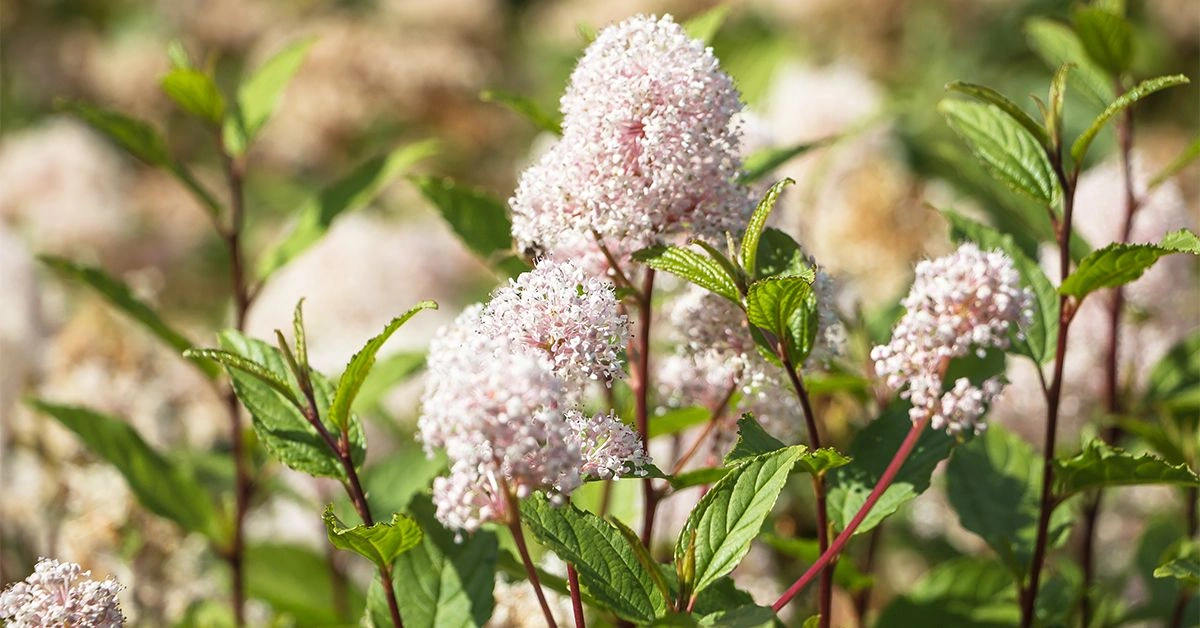
Red root is an herbal preparation derived from the root of the Ceanothus americanus plant.
Widely used by contemporary herbalists and practitioners of natural medicine, red root has been part of traditional healing for centuries.
Despite red root’s extensive history, only a handful of scientific investigations have explored its ability to treat various health concerns.
This piece explores the background, claimed advantages, and dosage guidance for red root.
What is red root?
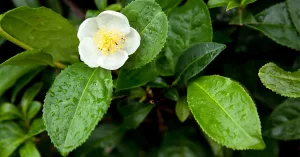
Ceanothus americanus is a white-flowering shrub with a long, reddish root system. The plant is native to eastern North America (1).
It’s often referred to as New Jersey tea because, during the Revolutionary War, American colonists used its leaves as a tea substitute (1).
Red root has a long record of use in traditional Native American medicine. People prepared the root as a tea to treat colds, fever, pneumonia, digestive issues, toothaches, and urinary tract infections in women (2).
Today, herbalists and homeopathic practitioners frequently incorporate red root into their practices.
Anecdotal reports describe creating a tincture containing highly diluted extracts from the leaves and bark of the plant. Herbalists and homeopaths reportedly use this to address respiratory problems, activate the lymphatic system, and support the spleen (3).
Nevertheless, there is no scientific evidence confirming these uses, and researchers need more high-quality human studies on red root’s effects.
Summary: Ceanothus americanus is used to make an herbal homeopathic tincture known as red root. It has historical ties to traditional Native American medicine.
Purported health benefits
The leaves and roots of red root are bitter and astringent, a result of natural compounds called alkaloids and tannins (1, 4).
Anecdotal reports propose these substances may drive red root’s medicinal effects, though there is no scientific backing for these claims.
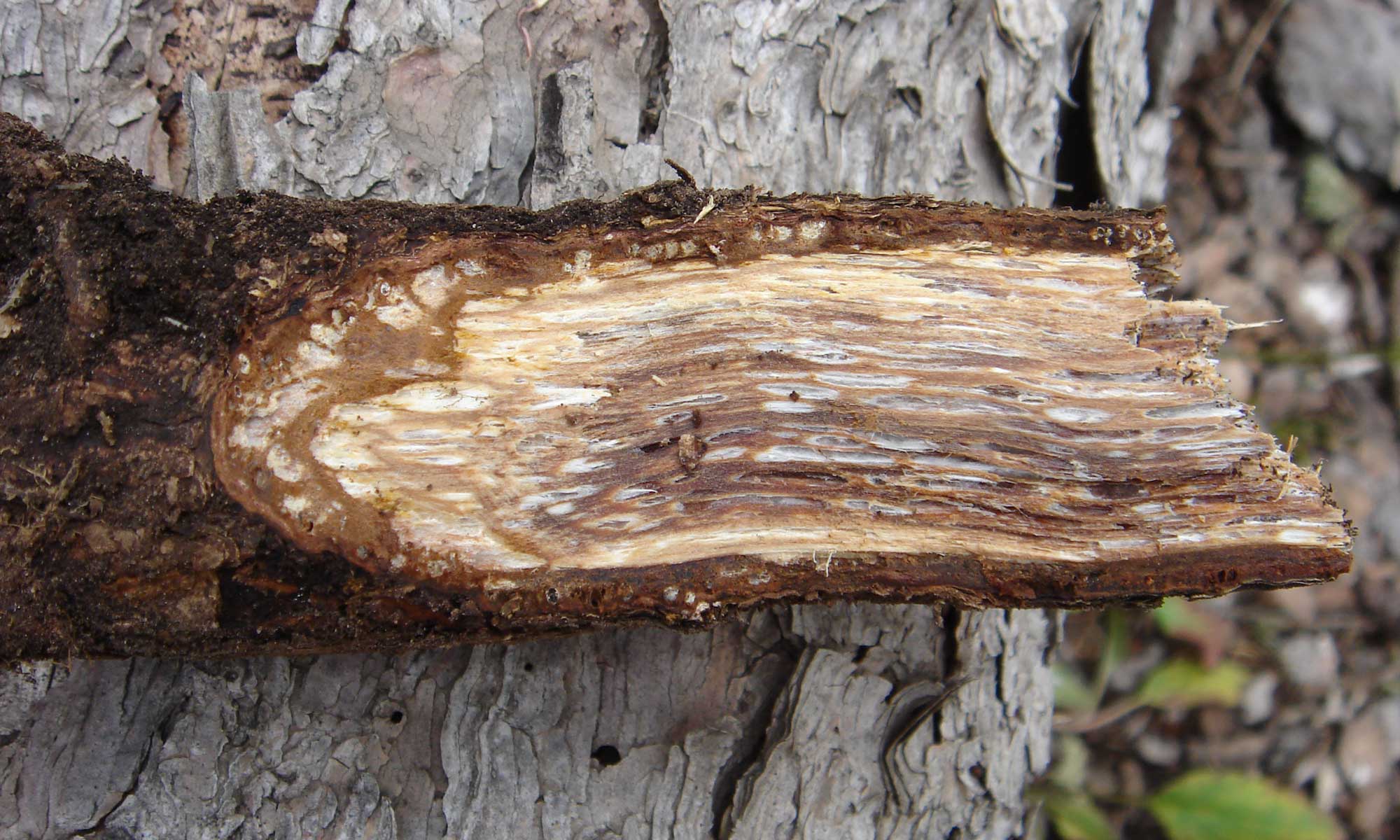
Tannins are a class of polyphenol antioxidants that help shield cells and DNA from oxidative damage (5).
Laboratory and animal studies hint that tannins might protect heart and vascular health, help reduce blood pressure and blood sugar, and impede growth of certain bacteria and microbes (5).
Alkaloids in herbs likewise exert various health effects. In lab settings they can impede the growth and spread of bacteria and viruses (6).
Research on red root
Many herbal supplement brands promote red root for liver, spleen, and immune support. Yet, there is scant research or solid evidence backing these or other benefits.
One small study examined the impact of red root in a small cohort of individuals with thalassemia, a hereditary blood disorder that often necessitates transfusions and can enlarge the spleen or liver (7).
When researchers administered red root alongside standard therapy to 38 participants, they observed improved blood test results, a longer interval between transfusions, and reduced spleen size compared with standard therapy alone (7).
However, other herbs were used in combination with red root, so it remains unclear which component produced these effects.
Most other evidence concerning this herb comes from in vitro studies.
For instance, researchers tested red root against a type of oral bacteria and found several natural compounds that inhibited the growth of four oral pathogens (8).
Another in vitro study identified compounds in red root with potential to lower blood pressure, though researchers noted that more investigation is required (9).
Summary: Red root provides tannins and alkaloids that may offer health benefits. Some people use it in homeopathic therapy, but robust evidence supporting its advantages is lacking.
Dangers and potential side effects
As with other herbs, pregnant or nursing individuals should avoid red root as a precaution.
Some research indicates that constituents in red root can influence blood clotting. Consequently, those with clotting disorders or taking anticoagulants should avoid it (10).
If used according to product labels, the typical dose tends to be small, which may explain the absence of reported interactions or adverse effects in healthy people (3).
Nevertheless, given how little scientific research exists on red root, it’s unclear whether long-term use or high doses could cause harm.
The FDA does not regulate herbal supplements like red root for purity, quality, or efficacy. Although it is derived from a natural source, red root could interact with other herbs, medications, or health conditions (11).
If you’re considering red root, consult with your healthcare provider beforehand, especially if you have existing health issues or are on other medicines.
There are also broader concerns about homeopathy. Although homeopathy has been practiced for more than two centuries, few studies affirm its effectiveness (5, 12).
Homeopathy relies on the premise that “like cures like.” Practitioners administer extremely diluted substances that produce symptoms similar to those experienced by the patient, with the aim of stimulating self-healing (5).
A comprehensive review found no evidence that homeopathy outperforms a placebo (12).
If you depend on homeopathic or herbal remedies in place of conventional medical care, you may be putting your health at risk.
Summary: There have been no reports of red root causing harm, but proof of any benefit remains elusive. Pregnancy, lactation




















Leave a Reply
You must be logged in to post a comment.