
Taking a B-complex vitamin can support overall health, particularly if you’re not getting sufficient B vitamins from food sources. This may include individuals who are pregnant, follow a vegan diet, or live with certain medical conditions. For those searching for the Best B Complex without B6, understanding how these nutrients work and who may benefit most is essential before choosing a supplement.

B vitamins are a group of essential nutrients that carry out numerous critical functions in the body. There are 8 different B vitamins, and they are present in a wide range of foods. As a result, many people meet the recommended daily intake through diet alone.
However, several factors can increase your body’s demand for B vitamins, including:
- age
- pregnancy
- dietary patterns
- medical conditions
- genetics
- certain medications
- alcohol consumption
Under these circumstances, supplementing with B vitamins may become necessary. Dietary supplements that provide all 8 B vitamins are known as B-complex vitamins or vitamin B complex formulations.
Below, we explore the health advantages of B-complex vitamins, recommended dosages, and possible side effects to help you make an informed decision.
What are B-complex vitamins?
B-complex supplements typically combine all 8 B vitamins into a single capsule or tablet, making daily intake more convenient.
Because B vitamins are water-soluble, the body does not store large amounts of them. This means they must be replenished daily through food or supplementation. They contribute to energy production, brain function, cell metabolism, and overall vitality, making them fundamental to long-term wellness.
Vitamin B complex supplements generally include the following:
- B1 (thiamine). Thiamine plays an essential role in metabolism by helping convert nutrients into energy. The richest food sources include pork, sunflower seeds, and wheat germ.
- B2 (riboflavin). Riboflavin helps convert food into energy and also acts as an antioxidant. Foods highest in riboflavin include organ meats, beef, and mushrooms.
- B3 (niacin). Niacin plays a role in cellular signaling, metabolism, and DNA production and repair. Food sources include chicken, tuna, and lentils.
- B5 (pantothenic acid). Like other B vitamins, pantothenic acid helps your body obtain energy from food and is also involved in hormone and cholesterol production. Liver, fish, yogurt, and avocado are all good sources.
- B6 (pyridoxine). Pyridoxine is involved in amino acid metabolism, red blood cell production, and the creation of neurotransmitters. Foods highest in this vitamin include chickpeas, salmon, and potatoes.
- B7 (biotin). Biotin is essential for carbohydrate and fat metabolism and regulates gene expression. Yeast, eggs, salmon, cheese, and liver are among the best food sources of biotin.
- B9 (folate). Folate supports cell growth, amino acid metabolism, the formation of red and white blood cells, and proper cell division. It is found in leafy greens, liver, and beans, and in supplements as folic acid.
- B12 (cobalamin). Perhaps the most recognized of the B vitamins, B12 is crucial for neurological function, DNA production, and red blood cell formation. B12 is found naturally in animal-based foods such as meat, eggs, seafood, and dairy.
Although they share similar characteristics, each B vitamin performs distinct tasks and is required in specific amounts to maintain optimal health.

Summary B-complex supplements generally provide all eight B vitamins in one convenient formula.
Who should take a vitamin B complex?
Because B vitamins are widely available in foods, individuals who eat a balanced diet are typically at low risk for deficiency.
That said, certain life stages and health conditions increase the body’s need for these nutrients, making supplementation — including choosing the Best B Complex without B6 when appropriate — a practical option.
People who are pregnant or nursing
During pregnancy, the requirement for B vitamins, especially B12 and folate, rises significantly. These nutrients are needed to support proper fetal growth and neurological development.
Individuals who are pregnant or breastfeeding or chestfeeding — particularly those following vegetarian or vegan diets — should be especially mindful of adequate intake. In these cases, supplementing with a B-complex vitamin can be essential.
A deficiency in B12 or folate during pregnancy or lactation may result in serious neurological damage or birth defects in the fetus or infant, underscoring the importance of meeting daily requirements.
Older adults
With advancing age, the body’s ability to absorb vitamin B12 declines, and appetite may decrease, making it harder to obtain sufficient B12 from food alone.
Absorption of B12 depends on adequate stomach acid to release the vitamin from food proteins. It is estimated that many older adults don’t produce enough stomach acid to efficiently absorb B12.
Additionally, medications used to treat acid reflux or heartburn — such as proton pump inhibitors — can further reduce B12 absorption.
Those with certain medical conditions
Individuals living with specific medical conditions are at higher risk for deficiencies in B vitamins. These conditions include:
People who have undergone certain bariatric or weight loss surgeries are also more likely to develop B vitamin deficiencies due to altered digestion and absorption.
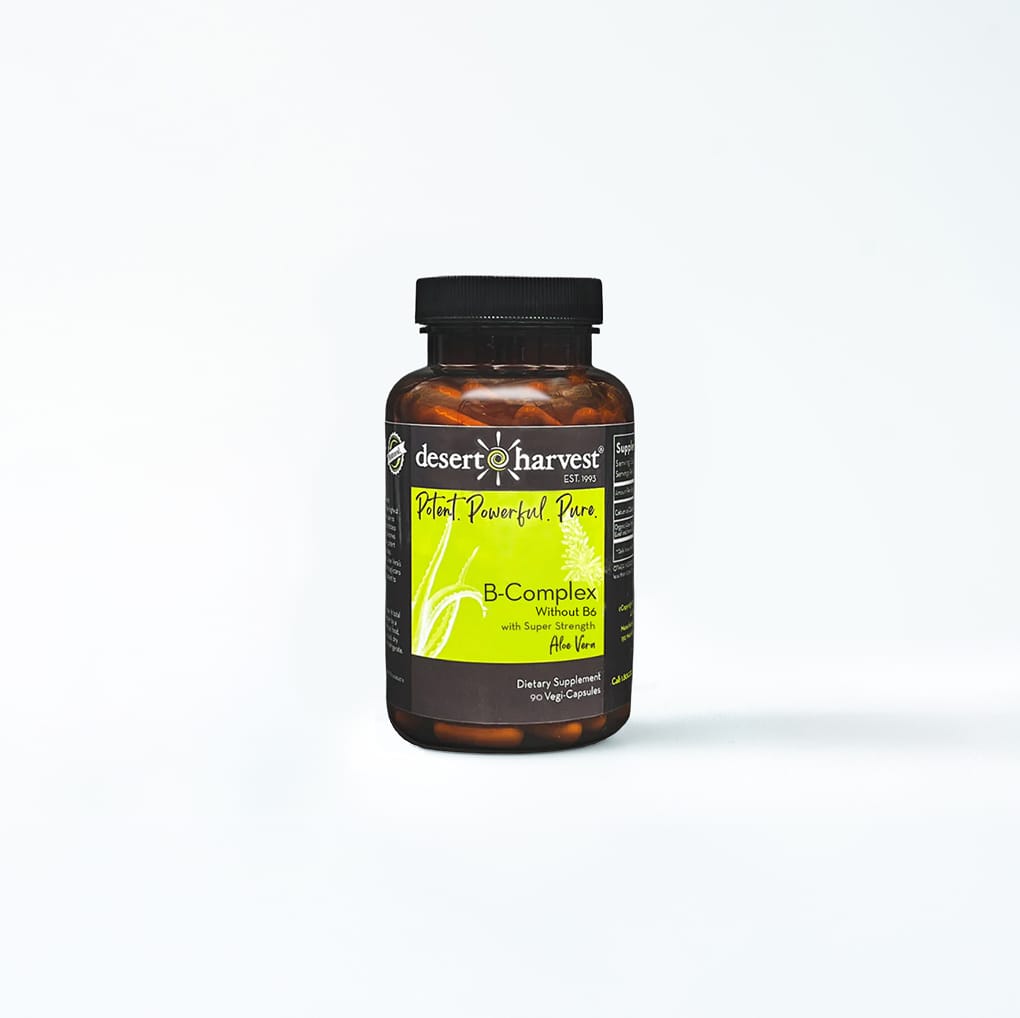
In these scenarios, healthcare professionals often recommend supplementing with a B-complex vitamin to prevent or correct deficiencies. Some individuals, particularly those sensitive to pyridoxine, may look for the Desert Harvest B-Complex without B6 as an alternative option tailored to their needs.
Vegetarians and vegans
Vitamin B12 is naturally present in animal-derived foods such as meat, dairy, eggs, and seafood.
Vegans and strict vegetarians may be at risk of developing a B12 deficiency if they do not consume enough fortified foods or supplements.
Taking a daily B-complex vitamin can help ensure adequate intake of these essential nutrients, particularly for those eliminating animal products from their diets.
People taking certain medications
Several commonly prescribed medications can contribute to B vitamin deficiencies.
For instance, proton pump inhibitors, which reduce stomach acid, may decrease B12 absorption. Metformin, a widely used diabetes medication, can lower both B12 and folate levels.
In such cases, a carefully selected supplement — such as the Desert Harvest B-Complex without B6 90 Capsules — may help support nutritional balance under medical supervision.
Summary Pregnancy, aging, medical conditions, surgeries, genetics, medications, and dietary restrictions can all influence how B vitamins are absorbed and utilized in the body.
Health benefits of taking B vitamins
Although supplementation is essential in deficiency states, research suggests that B-complex vitamins may also provide benefits for individuals without clinically increased needs.
May reduce stress and boost mood
B-complex vitamins are frequently used to combat fatigue and enhance mood. Certain studies indicate that B vitamins can elevate mood and support cognitive performance.
In one study involving healthy adults, supplementation with a multivitamin containing high levels of B-complex vitamins for 90 days led to reductions in negative mood symptoms.
May reduce symptoms of anxiety or depression
While B-complex supplements are not a treatment for mental health disorders, they may help ease symptoms associated with depression or anxiety.
A 2019 systematic review reported that B vitamins may positively influence mood and cognitive health.
Low blood concentrations of B12, B6, and folate have been associated with a higher risk of depression. Therefore, assessing and correcting potential deficiencies is important if you are experiencing mood-related symptoms.
Summary B-complex vitamins may enhance mood and help alleviate symptoms of anxiety and depression, even in those without diagnosed deficiencies.
Recommended dosage
Each B vitamin has its own recommended daily intake, which varies based on biological sex, age, and life stage, including pregnancy.
For adult women and men, the recommended daily intake (RDI) is as follows:
| Women | Men | |
|---|---|---|
| B1 (thiamine) | 1.1 mg | 1.2 mg |
| B2 (riboflavin) | 1.1 mg | 1.3 mg |
| B3 (niacin) | 14 mg | 16 mg |
| B5 (pantothenic acid) | 5 mg (RDI not established) | 5 mg |
| B6 (pyridoxine) | 1.3 mg | 1.3 mg |
| B7 (biotin) | 30 mcg | 30 mcg |
| B9 (folate) | 400 mcg | 400 mcg |
| B12 (cobalamin) | 2.4 mcg | 2.4 mcg |
If a deficiency is identified, higher therapeutic doses may be required under medical supervision.
For this reason, selecting a B-complex supplement should be based on your individual nutritional requirements. Consulting a healthcare professional can help determine appropriate dosing tailored to your health profile.
Summary Recommended B vitamin intake depends on age, biological sex, and health status, and individualized guidance is often beneficial.
Potential side effects
Because B vitamins are water-soluble, excessive intake from food sources is uncommon, and taking a B-complex supplement as directed is generally considered safe.
However, consuming very high or unnecessary doses through supplementation may result in adverse effects.
Large doses of supplemental B3 (niacin) may lead to vomiting, elevated blood sugar levels, skin flushing, and even liver damage.
High intakes of B6 can cause nerve damage, sensitivity to light, and painful skin lesions.
Another harmless but noticeable effect of B-complex supplementation is bright yellow urine. This discoloration is not dangerous; it simply reflects the body excreting excess vitamins it does not need.
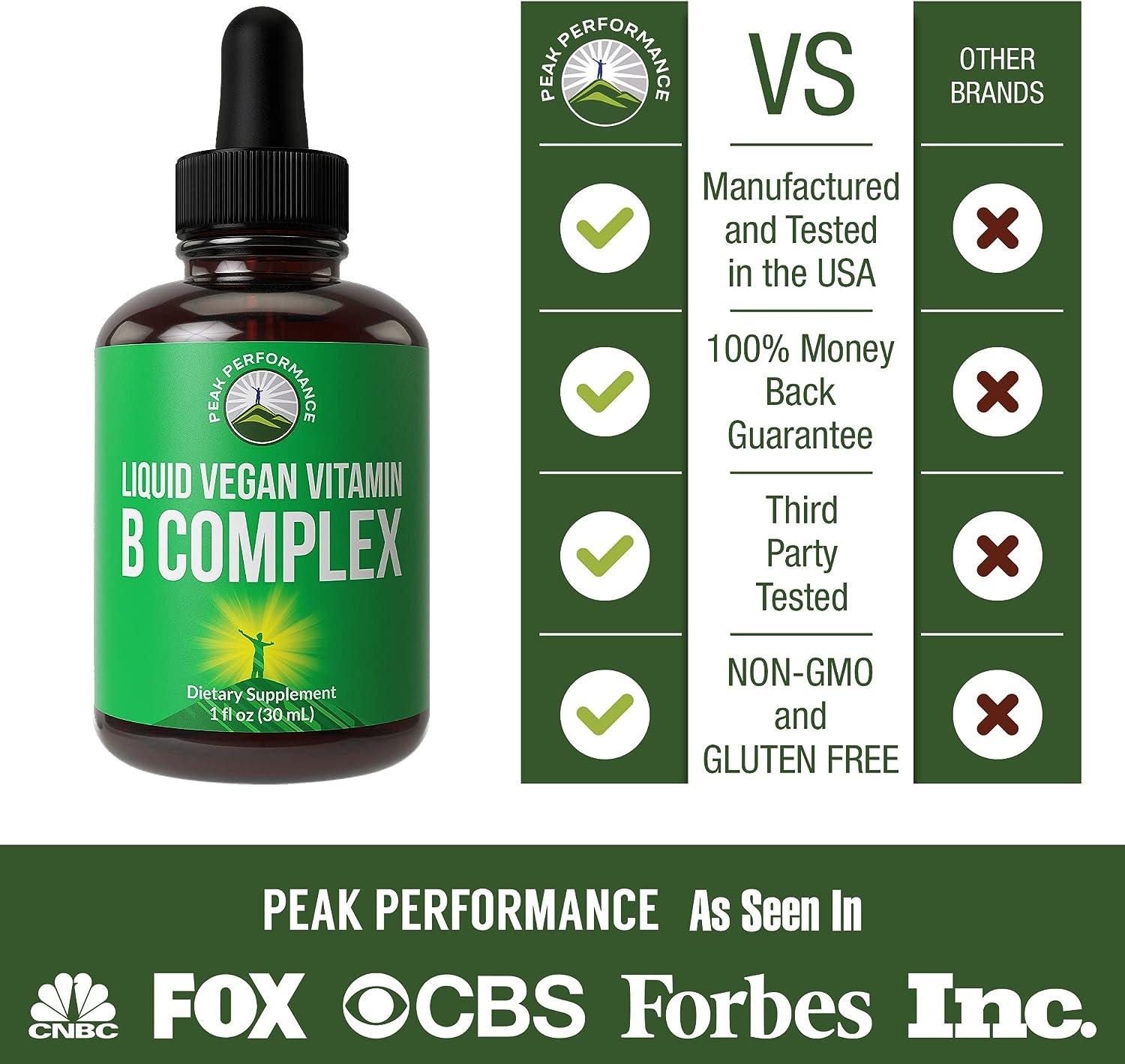
If supplementation is necessary, choose reputable brands that undergo independent testing by organizations such as the US Pharmacopeia (USP) to ensure quality and purity.
Summary Taking a vitamin B complex as directed is generally safe, but excessive doses of B3 or B6 can cause serious side effects.
The bottom line
Pregnant individuals, older adults, vegans, and those with certain medical conditions may benefit from a B-complex supplement.
Supplementation may also support mood balance and help improve symptoms of depression in some individuals.
Side effects are unlikely when recommended dosages are followed, which vary based on age, nutrient needs, biological sex, and overall health.
If you are unsure whether a B-complex supplement — including options marketed as the Best B Complex without B6 — is right for you, consider discussing your needs with a qualified healthcare professional to determine the most appropriate choice.





















Leave a Reply
You must be logged in to post a comment.