

Treatment for peripheral nerve damage depends largely on the underlying cause and severity of the condition. In many cases, Treatment for neuropathy in legs and feet involves a combination of medical therapies and supportive home strategies. Simple remedies, such as soaking in a warm bath or engaging in consistent physical activity, may help ease discomfort and improve daily functioning.
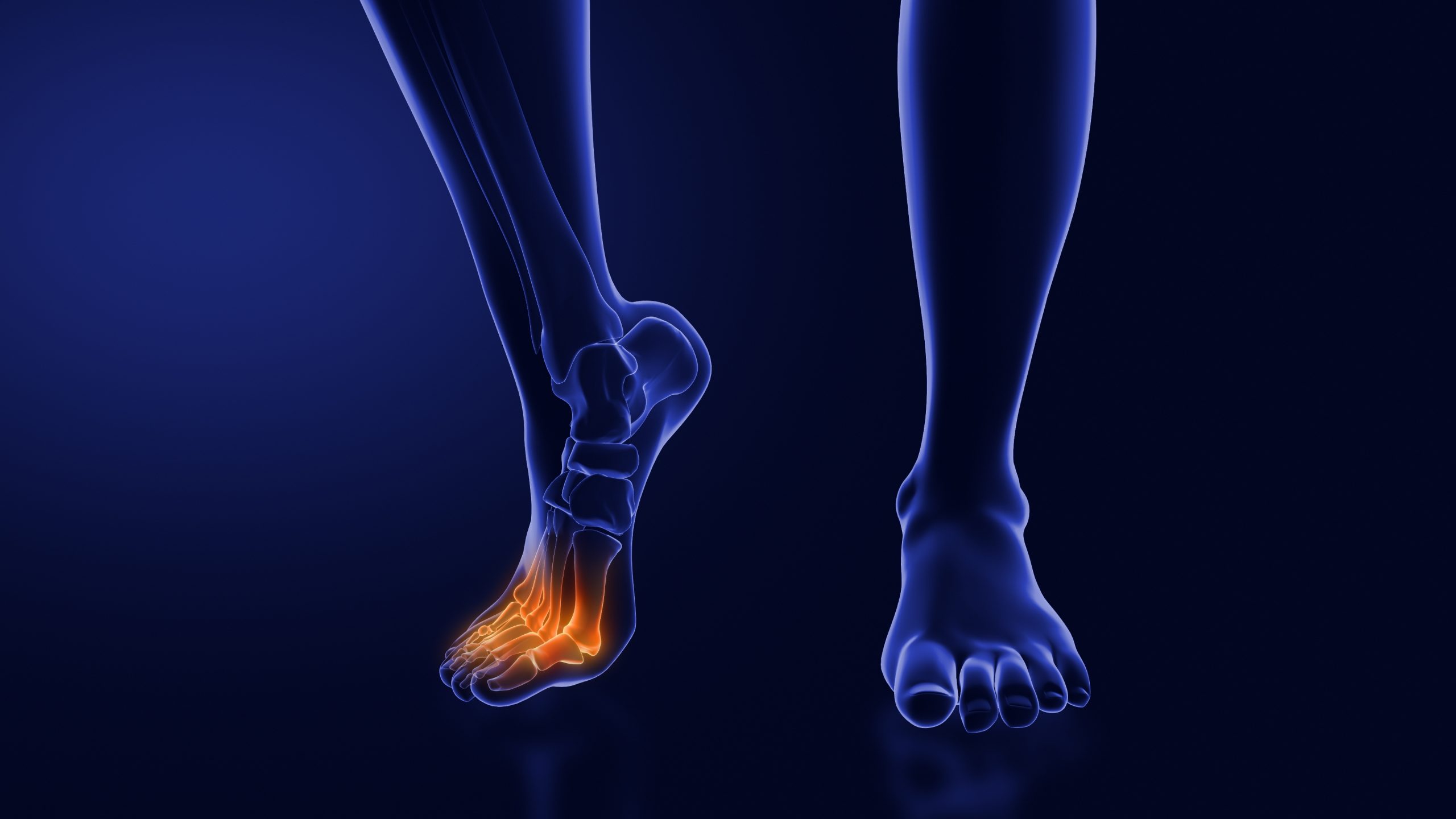
Peripheral neuropathy is a disorder characterized by weakness, pain, and numbness in the extremities, most commonly affecting the hands and feet. When symptoms primarily impact the lower limbs, many people search for effective Treatment for neuropathy in legs and feet to reduce tingling, burning sensations, and mobility issues.
Your peripheral nerves transmit signals from the brain and spinal cord to the rest of your body. When these nerves sustain damage, communication is disrupted, interfering with how your body interprets pain, temperature, and other sensations.
This condition typically results from injury or dysfunction of the peripheral nerves. Several factors can cause such damage, including:
- diabetes mellitus
- traumatic injury
- alcoholism
- infection
The progression of peripheral neuropathy may be sudden, particularly after trauma, or gradual, as often seen with diabetes mellitus. Early diagnosis and appropriate Treatment for neuropathy in legs and feet can help prevent symptom progression and complications.
Management approaches vary depending on the underlying cause. Many conventional and natural therapies focus on relieving pain, restoring function, and improving quality of life.
In some individuals, peripheral neuropathy is linked to deficiencies in essential vitamins or minerals. When this is the case, correcting the deficiency through targeted supplementation may help lessen symptoms.
The most common deficiencies associated with peripheral neuropathy include:
- vitamin B12 (cobalamin)
- copper
- vitamin B1 (thiamine)
- vitamin E (tocopherol)
- vitamin B6 (pyridoxine)
These nutrients play an important role in maintaining nerve structure and function. Evidence also indicates that abnormal levels of calcium and magnesium may also be associated with peripheral neuropathy.
Before beginning any supplement regimen, consult your doctor. Laboratory testing can determine whether a deficiency is contributing to your symptoms and guide safe dosing. Excessive intake of certain vitamins, such as vitamin B6 (pyridoxine), may actually worsen nerve damage if taken in high amounts.
2. Herbal remedies
Various herbs possess anti-inflammatory and analgesic properties that may offer symptom relief in certain cases of peripheral neuropathy, according to research. These include:
- cayenne pepper (Capsicum annuum)
- tarragon (Artemisia dracunculus)
- turmeric (Curcuma longa)
- black cumin (Nigella sativa)
- holy basil (Ocimum sanctum)
- rosemary (Rosmarinus officinalis)
- sage (Salvia officinalis)
- cannabis (Cannabis sativa)
Cannabis disclaimer
The terms “weed” and “maijuana” have historically racist roots and connotations. For this reason, we use the scientific term “cannabis” where appropriate.
Cannabis is a Schedule I drug. Currently, thirty-eight states provide comprehensive medical cannabis programs, while some others permit its use under specific medical circumstances (refer to official state resources for a complete list).
Some of these herbs are readily available and may be included in topical preparations, such as creams or ointments, designed for nerve discomfort. However, it is essential to speak with your doctor before trying herbal products to ensure safety, avoid interactions, and confirm suitability for your individual health profile.
Essential oils
Essential oils represent another potential complementary option. Certain oils may promote improved circulation and offer anti-inflammatory or analgesic effects, which could help relieve burning or tingling sensations in the legs and feet.
Although further research is required to establish definitive effectiveness, some essential oils that might offer supportive benefits include:
- eucalyptus (Eucalyptus globulus)
- lavender (Lavendulaangustifolia)
- bergamot(Citrus bergamia)
- nutmeg (Myristica fragrant)
Always dilute essential oils by mixing a few drops into 1 ounce (oz) of a carrier oil, such as olive oil, before applying to the skin. Gentle massage into the affected area may help reduce discomfort associated with peripheral neuropathy.
Essential oils disclaimer
Research indicates that essential oils may provide certain health benefits. However, the Food and Drug Administration (FDA) does not regulate these products for purity or quality.
Discuss any new product with a healthcare professional and thoroughly investigate the manufacturer before use.
3. Quitting smoking
Smoking negatively affects blood circulation by narrowing blood vessels and limiting oxygen delivery to tissues. Poor circulation can intensify numbness and pain associated with peripheral neuropathy.
Stopping smoking may improve blood flow and reduce symptom severity over time. Quitting can also enhance the effectiveness of other Treatment for neuropathy in legs and feet strategies and support overall nerve health.
4. Warm bath
Soaking in a warm bath can be calming and may help relieve neuropathic discomfort. Warm water encourages better circulation, which can temporarily lessen numbness and pain.
Notably, research suggests that warm saltwater baths may offer added benefits for symptom relief.
If your sensory nerves are impaired and your sensitivity to temperature is reduced, exercise caution to avoid excessively hot water, which can lead to burns without you realizing it.
5. Exercise
Consistent physical activity is an important component of comprehensive Treatment for neuropathy in legs and feet. Exercise supports circulation, enhances muscle strength, and promotes better blood sugar control.
Improved glucose regulation is especially important in cases related to diabetes mellitus, as stable blood sugar levels can reduce or slow nerve damage progression. Additionally, movement increases blood flow to the arms and legs and reduces stress, all of which may help decrease discomfort.
Low-impact activities such as walking, swimming, or gentle stretching are often well tolerated. Consult your healthcare provider before beginning a new exercise routine, particularly if balance or coordination is affected.
6. Meditation
Meditation and mindfulness practices may provide supportive benefits for individuals coping with chronic nerve pain. These techniques can help reduce stress, strengthen coping mechanisms, and decrease perceived pain intensity.
By addressing the mind-body connection, meditation offers a noninvasive way to regain a sense of control over persistent symptoms.
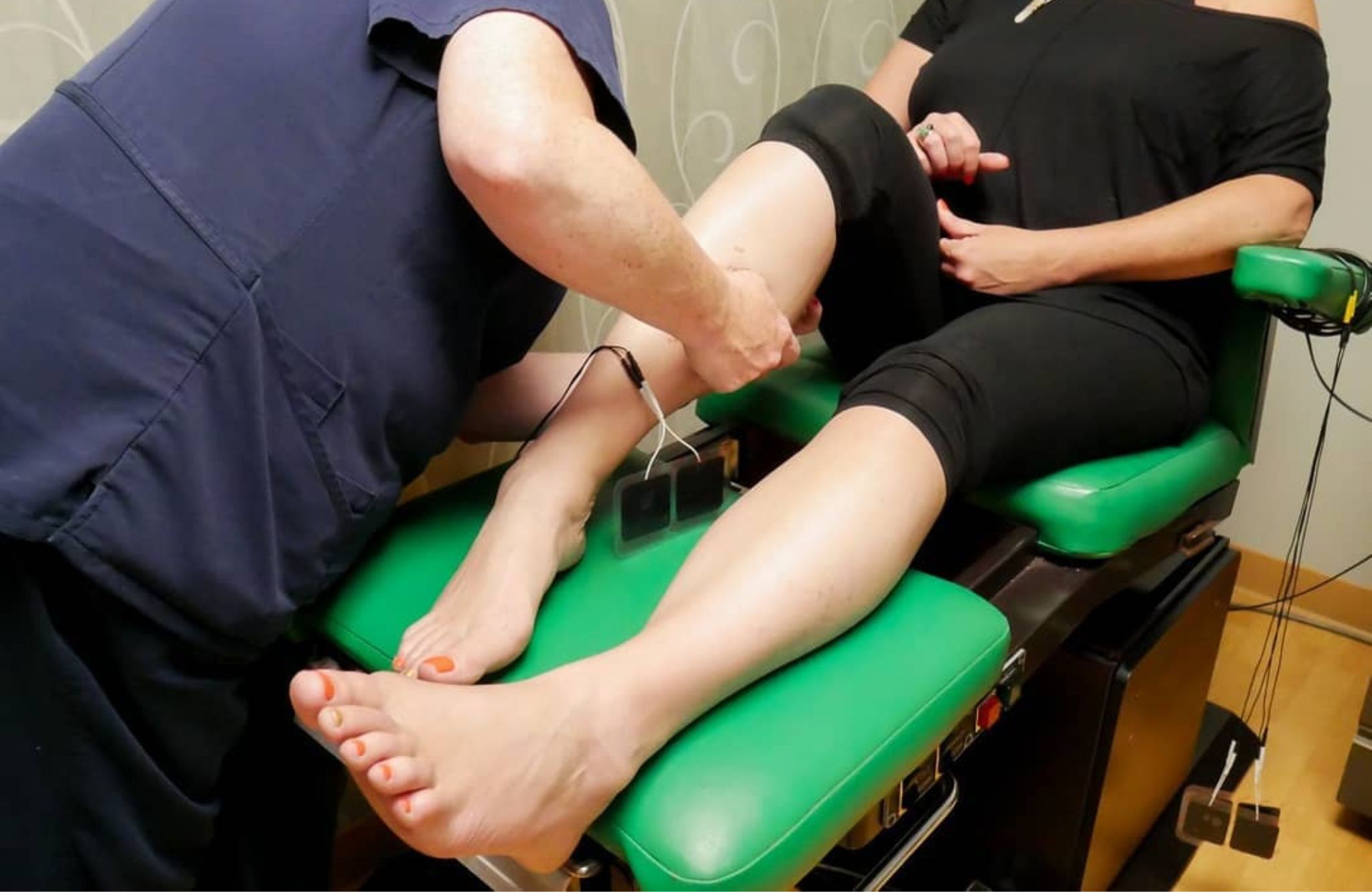
7. Acupuncture
Acupuncture is designed to stimulate specific pressure points to encourage the body’s natural healing processes.
This method activates the nervous system to release chemicals that may alter how pain is experienced. It may also help restore energy balance, potentially benefiting emotional well-being.
Evidence suggests that acupuncture may help reduce neuropathy-related pain, though additional high-quality research is necessary to determine its full effectiveness.

Peripheral neuropathy symptoms
Symptoms of peripheral neuropathy vary depending on which nerves are involved. The three primary categories are motor nerves, sensory nerves, and autonomic nerves.

Motor nerves
Motor nerves transmit signals from the brain to muscles, enabling voluntary movement.
If these nerves are affected, symptoms may include:
- muscle weakness or atrophy
- difficulty moving your arms or legs
- muscle spasms or uncontrolled twitching
- decreased reflexes
Sensory nerves
Sensory nerves relay information about touch, temperature, and pain to the brain. If peripheral neuropathy damages sensory nerves, you may notice:
- tingling or numbness
- sensitivity to touch
- decreased sensation
- inability to feel temperature changes or pain with hot and cold
- loss of reflexes and coordination
Autonomic nerves
Autonomic nerves regulate involuntary functions such as blood pressure, heart rate, digestion, bladder function, and sweating.
Damage to these nerves can lead to:
- nausea
- vomiting
- dizziness while standing or changing position from sitting to standing
- excessive sweating
- inability to control bowel and bladder functions
- irregular heart rate
- difficulty swallowing
Frequently asked questions
What can be mistaken for peripheral neuropathy?
Several disorders can mimic peripheral neuropathy, including radiculopathy, muscular dystrophy, amyotrophic lateral sclerosis (ALS), or spinal muscular atrophy (SMA).
What is the best thing to do for peripheral neuropathy?
The most appropriate Treatment for neuropathy in legs and feet depends on the root cause. Management options may include physical therapy, surgery, or injections to relieve nerve compression. Pain relief strategies often involve over-the-counter medications such as ibuprofen or aspirin.
Many individuals also explore complementary therapies to manage symptoms. If you are concerned about complications, you may wonder Can you become paralyzed from peripheral neuropathy or Can you die from peripheral neuropathy. Understanding the underlying cause and receiving timely medical care are key factors in reducing serious risks.
What makes neuropathy worse?
Factors that may make symptoms worse include smoking, alcohol misuse, toxin exposure, vitamin deficiency, and hormonal imbalance.
Outlook
Preventive care is often more effective than late-stage intervention. Maintaining blood sugars within a healthy range can help prevent neuropathy related to diabetes mellitus from progressing. If alcohol use is a contributing factor, discontinuing alcohol consumption can prevent further nerve damage.
Natural remedies may provide supportive relief for some individuals experiencing peripheral neuropathy. However, always consult your doctor before starting any new treatment. If you notice worsening symptoms or unusual reactions, seek medical attention promptly to ensure safe and appropriate care.



















Leave a Reply
You must be logged in to post a comment.