

Finger numbness can stem from a variety of sources, ranging from compressed nerves to diabetes. In some cases, numbness in the fingers may signal a more serious problem, such as a stroke.
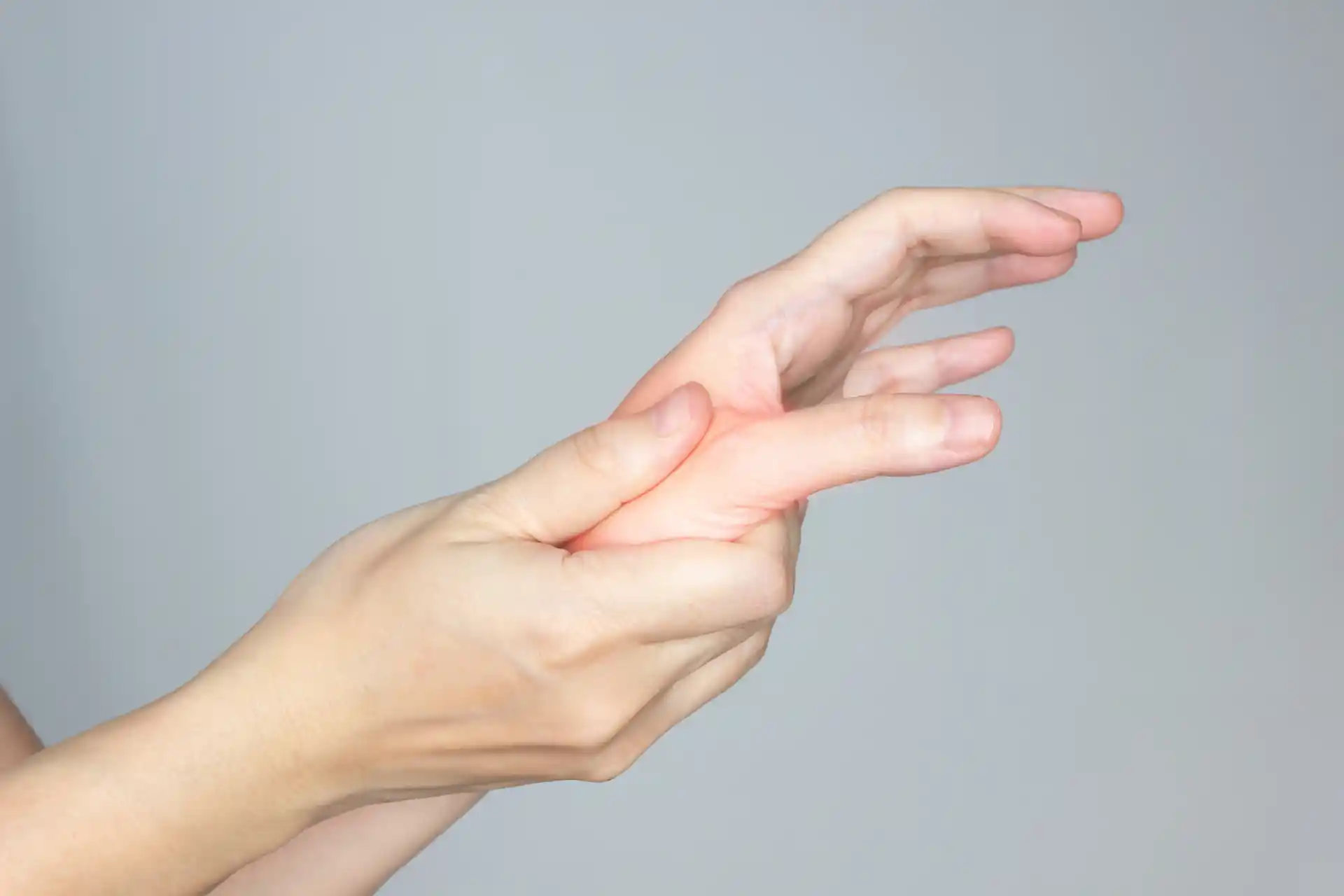
Finger numbness refers to a partial or complete loss of feeling in one or more fingers. It’s a relatively frequent symptom. For instance, a hand can “fall asleep” after placing pressure on a nerve without noticing; this sensation typically resolves after shifting position.
However, numbness that persists or gradually intensifies might indicate an underlying medical issue that requires professional evaluation and treatment.

What can cause finger numbness?
Nerves carry signals to and from the brain. Numbness may appear when these nerves are compressed, injured, or irritated.
The following disorders and conditions can lead to numbness in the fingers.
Carpal tunnel syndrome
Carpal tunnel syndrome commonly produces symptoms such as:
- numbness in the thumb, index, and middle fingers
- tingling
- a burning sensation
- pain
This condition occurs when the median nerve in the forearm is compressed at the wrist or irritated by repetitive actions like frequent tool use or prolonged typing. Symptoms frequently worsen at night.
Cervical radiculopathy
Cervical radiculopathy, commonly called a pinched nerve, happens when a nerve at the top of the spine in the neck becomes compressed. This can cause numbness, tingling, and clumsiness that travel into the hands.
The most frequent reasons for a pinched neck nerve include age-related degeneration of the vertebrae and a herniated disc.

Diabetes
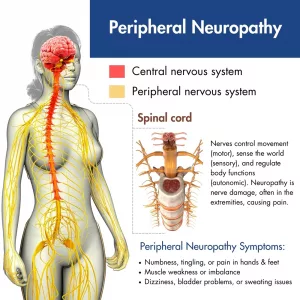
Diabetic neuropathy is a complication of diabetes that can damage nerves in the feet and hands. Up to 50% of people with diabetes may develop this condition.
Numbness, pain, or weakness typically appears first in the feet and legs but may also involve the hands and arms.
Raynaud’s phenomenon
Raynaud’s phenomenon causes numbness when the small arteries in the fingers constrict or spasm. This reduces circulation and lowers oxygen delivery to the nerves in the hands.
Cold exposure or emotional stress can trigger this condition. Affected fingers may appear pale or bluish during an episode, which can last from a few minutes to several hours.
Rheumatoid arthritis
Rheumatoid arthritis (RA) is an autoimmune disease that causes swelling, tenderness, and pain in joints. It can also produce tingling, numbness, and burning sensations in the hands, and usually affects both sides of the body.
Ulnar nerve entrapment
Ulnar nerve entrapment involves compression of the ulnar nerve that runs along the side of the arm toward the little finger. The nerve is commonly compressed at the elbow, leading to numbness that travels to the ring and little fingers. This is often called cubital tunnel syndrome.
You may also feel a dull ache on the inner side of the elbow.
Infections
Certain infections can contribute to finger numbness, such as:
- Lyme disease
- syphilis
- HIV
- leprosy (Hansen’s disease)
Disorders affecting blood vessels or nerves
Some diseases that impact blood vessels or nerves can cause finger numbness. These include:
- amyloidosis
- Guillain-Barré syndrome (GBS)
- multiple sclerosis (MS)
- Sjögren’s syndrome
- fibromyalgia
- thoracic outlet syndrome
- stroke
Other causes
Additional medical issues that may impair circulation or nerve function and cause finger numbness include:
- ganglion cyst
- vitamin B12 deficiency
- bone fractures
- side effects from medications, including some chemotherapy agents
When should you seek medical attention for finger numbness?
Tingling and numbness can sometimes indicate a medical emergency, particularly if they are symptoms of a stroke, which occurs when a blood clot or bleeding affects the brain.
Seek immediate medical care if you or someone nearby experiences any of the following:
- confusion
- difficulty breathing
- dizziness
- sudden numbness or weakness in the arm, face, or leg, especially if only on one side of the body
- a severe unexplained headache
- difficulty speaking
- sudden weakness (asthenia) or paralysis
- vision problems in one or both eyes
Also consult a physician if your finger numbness happens frequently, disrupts daily tasks, or is accompanied by visible alterations in your hand or arm.
F.A.S.T. method
The American Stroke Association recommends the F.A.S.T. mnemonic to spot a stroke:
- (F) Face: Ask the person to smile. Is one side of the face drooping?
- (A) Arm weakness: Ask them to lift both arms. Does one arm drop or seem weaker?
- (S) Speech: Is their speech slurred or odd?
- (T) Time: Call 911 or the local emergency number immediately.
How is finger numbness evaluated?
A clinician will begin diagnosing finger numbness by reviewing your medical history and examining your arm, hand, and fingers. You may be referred to a specialist, such as an orthopedist or neurologist.
If further detail is needed to identify the cause, the provider may order additional studies. These could include:
- electrodiagnostic testing to evaluate nerve function
- X-rays to check for misalignment of bones in the neck, shoulder, arm, wrist, or fingers
- MRI or ultrasound to visualize nerve compression
- blood tests to look for conditions like rheumatoid arthritis or vitamin B12 deficiency
How is finger numbness treated?
Treatment depends on the underlying cause and how severe the symptoms are.
Possible treatment approaches may include:
- over-the-counter medicines, such as nonsteroidal anti-inflammatory drugs (NSAIDs) and other pain relievers
- wearing a brace or splint to maintain the wrist or elbow in a position that reduces nerve pressure
- applying heat and cold therapy
- weight loss if obesity is contributing to nerve compression
- general or targeted exercises to stretch and strengthen the arms, hands, and wrists
- steroid injections
If conservative measures fail, surgery may be advised to decompress or repair nerves or to prevent bones from pressing on them. Surgical options include:
- cubital tunnel release
- anterior transposition of the ulnar nerve
- medial epicondylectomy
Can finger numbness be prevented?
Overuse injuries from repetitive movements can lead to certain types of finger numbness by irritating or damaging nerves.
To reduce the risk of repetitive stress injuries:
- maintain proper posture and technique when using tools, a keyboard, or other equipment
- take breaks from repetitive activities every 30 to 60 minutes
- stretch the muscles involved to relieve tension
- use ergonomic aids, such as wrist braces or keyboard wrist rests
What is the prognosis for people with finger numbness?
The outlook varies depending on factors such as:
- the root cause of the numbness
- your age and overall health
- how quickly the condition is diagnosed
- the chosen treatment plan
Finger numbness is often manageable. If your current therapies aren’t effective, consult your doctor for alternative treatments tailored to the underlying diagnosis.
Generally, earlier intervention reduces the risk of lasting symptoms, so don’t ignore persistent numbness.
Frequently asked questions
When should I be concerned about finger numbness?
Seek medical attention if numbness appears suddenly (over minutes or hours), is accompanied by sudden weakness, or if there is loss of sensation in the face or body. For more details about concerning symptoms, see this resource.
How can I relieve numbness in my fingers?
Treatment options may include OTC NSAIDs and pain relievers, using a splint or brace, resting the affected area, and performing hand and wrist exercises.
Can heart or vascular problems cause fingertip numbness?
Numbness in the fingertips and hands can be a sign of cardiovascular or vascular issues, including heart attack, stroke, or vasculitis.
Takeaway
Finger numbness often resolves on its own without medical care, but it can sometimes indicate an underlying health problem.
If numbness persists despite home remedies, consult a healthcare professional who can perform tests to determine the cause and recommend an appropriate treatment plan.





















Leave a Reply
You must be logged in to post a comment.