


During the 2020 U.S. general election, while ballots were still being counted, the National Organization for the Reform of Marijuana Laws (NORML) pronounced cannabis (also called weed or marijuana) one of the clear winners.
Why? Voters in South Dakota, Mississippi, Arizona, Montana, and New Jersey approved varying forms of cannabis measures.
At the same time, Oregon broke new ground by passing Measure 109, which permits the therapeutic use of psilocybin-containing mushrooms (often called shrooms or magic mushrooms).
With both weed and psilocybin becoming more available, it’s increasingly important to know what they do individually and what can happen when they’re combined.
Healthline does not endorse illegal drug use. Still, we aim to offer clear, accurate information to minimize harm when substances are used.
Cannabis vs. mushrooms
Before legalization and decriminalization gained traction, both cannabis and psychedelic mushrooms were staples of countercultural movements, showing up in music, film, and visual art.
Though they share some overlap, each drug produces a clearly distinct effect.
Cannabis
Cannabis effects fluctuate a lot depending on several variables, such as:
- the dose, strain, and strength
- how you consume it
- your frequency of use
When smoked or vaped, effects are felt almost immediately. According to the Drug Policy Alliance, the high generally peaks around an hour and fades within about two hours.
Edibles typically take longer to produce effects — roughly 30 to 60 minutes.
Some users report greater focus and productivity after cannabis, while others feel calm and relaxed.
Other commonly reported effects include:
- dry mouth
- fast heartbeat
- euphoria
- openness to novel ideas
- anxiety or paranoia
- heightened senses — richer colors, sounds, tastes, and touch
- increased appetite
Mushrooms
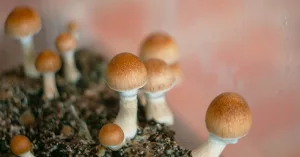
There are many kinds of psychedelic mushrooms, but a lot of recreational and therapeutic use centers on varieties of Psilocybe cubensis, which contain psilocybin.
Like cannabis, mushrooms reshape sensory experience, but usually to a far greater extent.
People commonly dry mushrooms and eat them, brew them as tea, or grind them into powder for chocolates or capsules. They can take an hour or more to begin working, and the overall journey often lasts 4 to 6 hours.
Although folks often say mushrooms “open the mind,” their effects stem from a reduction of brain processes that normally keep perception and thought orderly.
A 2012 study found psilocybin reduces activity in brain areas that constrain your experience, making the world feel less structured.
When those restraints lessen, your experience of reality can shift dramatically.
Consequently:
- Still things may seem to move or melt.
- People’s faces and bodies can look profoundly distorted.
- Your sense of time and self may alter.
For some, this yields spiritual insights or deep personal revelations; for others, it can trigger discomfort or fear.
Other possible effects include:
- changes in body temperature
- euphoria
- anxiety
- increased heart rate
- muscle twitching
- numbness, particularly around the face
Nausea (and occasionally vomiting) can occur around 30 to 60 minutes after ingestion but typically eases within an hour.
Comparing the two
Both cannabis and mushrooms shift how you perceive the world, but the intensity differs. The exact strain of cannabis or species of mushroom you take will influence the outcome.
Dosage matters too. High doses of cannabis edibles or very strong, high-THC strains can produce effects that resemble a mushroom trip more closely.
Conversely, a small mushroom dose might feel akin to a modest amount of cannabis.
Using them together
What happens when you mix cannabis and mushrooms? It varies based on the cannabis chemotype and timing of use.
CBD vs. THC
Anecdotal reports online suggest pairing psilocybin with CBD-dominant cannabis strains can ease mushroom-related nausea and lessen anxiety for some users.
By contrast, combining mushrooms with THC-heavy strains tends to amplify the trip, often producing more vivid visuals, intensified auditory experiences, and more novel thought patterns.
That heightened intensity can be rewarding but also overwhelming, particularly for those inexperienced with psilocybin.
Cannabis before a mushroom trip
If cannabis helps control your nausea or nervousness, using it before mushrooms might help prepare your body and mind for the upcoming experience.
However, if you’re new to mushrooms, it’s usually wiser to avoid using cannabis beforehand so you can accurately gauge how the mushrooms affect you alone.
Cannabis during a mushroom trip
Using cannabis when mushrooms are peaking (roughly two hours after ingestion) can increase the trip’s overall intensity.
Using cannabis later — around three to four hours in, as the mushroom effects wane — may slightly extend the experience and help you integrate what you’re feeling, according to anecdotal accounts.
Potential risks
There’s no strong evidence that combining cannabis and mushrooms causes serious physical harm, though their interaction hasn’t been thoroughly researched.
The most common concern is an unpleasant psychological experience, especially for people without much experience with either drug.
To reduce risk, consider trying one substance at a time until you understand how your body and mind respond.
Best practices
The safest approach to psychedelics involves attending to your set and setting:
- Set— the mental state you bring into the experience.
- Setting— your physical environment and the people present.
If you’re feeling low and take psychedelics in an unfamiliar place or around people you don’t trust, you’re more likely to have a negative episode.
Make sure you’re physically and mentally comfortable before you start. Think about having a sober, trusted person available to stay with you in case things become difficult.
Other practical tips include:
- Don’t drive until all effects have passed (give it at least 12 hours).
- Avoid mixing other substances, including alcohol.
- Start slow — begin with low doses of each and allow ample time for effects to appear before taking more.
If you have a history of mental health issues, take extra care.
Although psychedelic therapies are being explored for mental health, much remains unknown; both cannabis and psilocybin can worsen symptoms for some people.
Handling a bad reaction
Most adverse responses are marked by heightened anxiety and paranoia, sometimes worsened by hallucinations. Often a sober companion or “trip-sitter” is sufficient to ease these reactions.
A trip-sitter can reassure the person that the experience is drug-induced and temporary, and can alter the environment—leading them to a calm room with gentle lighting, soothing music, and comforting scents.
Removing mirrors can reduce distressing visual distortions.
If the person can eat and drink, offering light food and water may lessen the intensity.
When to call for helpIt’s time to seek emergency assistance when someone:vomits continuously has a fever cannot stay awake behaves in a way that endangers themselves or othersIf you worry about involving law enforcement, you don’t have to disclose substance use over the phone. Describe the person’s symptoms so responders can send the right help. If you’re caring for someone else, position them slightly on their side while waiting, with their top knee drawn inward if possible. This posture helps keep the airway clear in case of vomiting.
The bottom line
Separately or together, mushrooms and cannabis can inspire creativity and new viewpoints. Yet their combination can also be intensely overwhelming for some people and may exacerbate mental health issues for others.
As decriminalization and legalization efforts expand from cannabis to psychedelics, more opportunities arise to practice responsible adult use.
Learn about the benefits and risks of these substances and remember that individual experiences vary widely.
Also consider whether your use enhances your life or undermines it.
Physical dependence on cannabis and psilocybin is rare, though psychological dependence is more likely.
If you feel your use may have become problematic, a list of resources is available here.

















Leave a Reply
You must be logged in to post a comment.