

You might notice discomfort in both your jaw and ears simultaneously. These eight explanations can clarify why the problem may originate in either the jaw or the ear, yet the pain radiates to the other area.
When ear and jaw pain appear together, several underlying causes could be responsible.
A disorder affecting your jaw, ear, or mouth may produce the pain. Another explanation is “referred pain,” where a body region experiences pain even though the true source lies elsewhere.
Below are conditions that can produce concurrent jaw and ear pain, largely because of how close these structures are to one another.
1. TMJ strain
One common cause of ear and jaw discomfort involves the temporomandibular joint (TMJ). This region encompasses the jaw joint and the surrounding muscles.
The TMJ sits next to the temporal bone, which contains parts of the ear. The TMJ moves in various directions to allow chewing and speaking. One chewing muscle extends toward the middle ear and can spasm when other jaw muscles tense, producing pain.
A TMJ disorder can develop from normal wear or from other related health issues, such as:
- fibromyalgia
- sleep apnea
- anxiety
- depression

Symptoms
If symptoms last longer than three months, you may have a chronic TMJ problem.
TMJ disorders can cause both ear and jaw pain. Approximately 10 to 15 percent of adults experience a TMJ disorder. These conditions produce inflammation and pain in the joint. Facial ache and ear discomfort are among the most frequent complaints.
Other signs may include:
- facial soreness
- pain while chewing
- jaw clicking or locking
- ringing in the ears
- hearing difficulty
- neck and shoulder pain
- teeth shifting or misalignment
- headaches
2. Osteoarthritis
Osteoarthritis, the most common arthritis type affecting the TMJ, can cause jaw and ear pain. This develops from gradual wear and tear of the cartilage around the joint.
You may notice stiffness in the joint along with pain or swelling in the jaw.
3. Rheumatoid or psoriatic arthritis
Rheumatoid and psoriatic arthritis occur when the immune system mistakenly attacks healthy joints. Both are autoimmune disorders.
You can experience joint pain across different areas of the body at various times, including the TMJ, with certain triggers prompting flare-ups.
4. Migraine
Pain near the TMJ that reaches the jaw and ears can be associated with migraine. Migraines are severe, recurring headaches that often cause sensitivity to light, sound, and smells and may also cause muscle pain.
Symptoms
Other migraine features include:
- throbbing pain on one or both sides of the head
- nausea
- changes in vision or other senses
5. Swimmer’s ear
Swimmer’s ear happens when bacteria or fungi grow in the outer ear due to water exposure or injury. You can develop it after swimming or if a foreign object damages the ear canal skin. Without treatment, symptoms can worsen and extend to ear and jaw pain.
Symptoms
Other signs of swimmer’s ear include:
- fluid drainage
- pain spreading along the face and neck
- hearing reduction
- itchiness
- fever
- swelling of the ear and ear canal
6. Sinusitis
Sinusitis can produce ear and jaw pain. This condition often follows a cold or allergies when the nasal passages become inflamed and irritated. Viral infections commonly cause sinusitis, though bacteria can also be responsible.
Symptoms
- stuffy or blocked nasal passages
- green or yellow nasal discharge
- facial tenderness
- cough
- headache
- reduced sense of smell and taste
Optum Now is operated by RVO Health. By clicking on this link, we may receive a commission. Learn more.
7. Dental issues
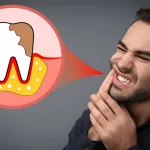
Dental problems such as cavities, periodontal disease, and dental abscesses arise when bacteria accumulate on teeth and gums. If untreated, these conditions can damage the mouth and spread, producing jaw and ear pain.
Symptoms
Additional signs of cavities, gum disease, or abscesses include:
- pain throughout the lower face and neck
- pain that worsens when lying down
- swelling of the gums and face
- loose or sensitive teeth
- sensitivity to hot and cold foods or drinks
- fever and flu-like symptoms

8. Teeth grinding
Grinding your teeth (bruxism) can lead to a TMJ disorder and cause ear and jaw pain. This habit can:
- alter teeth alignment
- wear down the teeth
- overwork the jaw muscles
Many people grind their teeth during sleep and are unaware until symptoms emerge.
Symptoms
Other signs of teeth grinding include:
- tooth sensitivity
- worn enamel or flattened teeth
- facial and neck soreness
- headaches
- sleep disturbances
Diagnosis
To diagnose the source of jaw and ear pain, your physician will perform a physical exam and review your medical history to better understand your symptoms. Make sure to mention:
- recent dental procedures
- recent illnesses
- any injuries
- changes in mental health, such as stress, anxiety, or depression
Your doctor may:
- listen to your jaw
- palpate your jaw and facial areas
- inspect your ears
- check vital signs
- examine your mouth
Imaging tests like MRI or X-ray may be required to confirm the diagnosis.
Treatments
Treatment depends on the underlying cause of the jaw and ear pain.
You might not need intervention for TMJ, as about 40 percent of cases resolve without treatment and only 5 to 10 percent need active care. Options for TMJ disorders include:
- resting the jaw
- home care measures
- over-the-counter anti-inflammatory medicines
- using a brace or splint to limit jaw motion
- flushing the joint to reduce inflammation (arthrocentesis)
- surgery for severe situations
Other causes of ear and jaw pain may respond to similar approaches. Conditions like arthritis, swimmer’s ear, and sinusitis often require targeted medications.
Your physician may suggest anti-inflammatory drugs for arthritis, antibiotics or steroids for swimmer’s ear, and nasal sprays for sinusitis, among other options.
Oral problems such as cavities, gum disease, or abscesses may need tooth extraction, root canal therapy, or deep cleaning along with additional treatments.
Home remedies
Several self-care strategies can help with TMJ and related discomfort:
- Eat softer foods to reduce jaw strain.
- Avoid chewing gum or nonfood items like pen caps.
- Relax and give your jaw rest.
- Apply warm or cold compresses to the jaw area.
- Do gentle jaw stretches, such as slowly opening and closing the mouth several times.
- Manage or reduce stress.
Many of these measures may also ease symptoms for other conditions that cause ear and jaw pain.
Maintain good oral hygiene to prevent and treat mouth conditions. Brush and floss regularly, eat a balanced diet, and quit smoking to limit bacterial buildup.
When to see a doctor
Consult a doctor if your ear and jaw pain:
- is accompanied by fever or flu-like symptoms
- interferes with daily activities
- disrupts your sleep
- persists despite self-care
- makes eating or drinking difficult
- causes tooth or gum sensitivity
The bottom line
There are numerous reasons you might have jaw and ear pain at the same time. Often the problem originates in one area and manifests as referred pain in the other.
Speak with your healthcare provider to identify the cause of your jaw and ear pain so you can treat it effectively and prevent worsening symptoms.






















Leave a Reply
You must be logged in to post a comment.