

Although both shingles and poison ivy can produce blistering skin eruptions, shingles often brings systemic signs like flu-like symptoms and a burning sensation that poison ivy does not.
About 1 in 3 people in the United States will develop shingles during their lifetime, making it a frequent viral condition among older adults.
Poison ivy reactions are among the most common skin complaints in the U.S., affecting as many as 50 million people annually.
Below, we’ll review how to distinguish shingles from poison ivy by comparing their symptoms, treatments, and prevention strategies.
How to distinguish shingles from poison ivy rashes
At first look, shingles and poison ivy rashes can seem alike.
However, shingles — a viral reactivation — typically produces a distinct blistering rash along with systemic symptoms such as fever and chills. Nerve-related pain or burning is common with shingles and is not a feature of poison ivy.
An allergic poison ivy rash may resemble shingles visually but is usually confined to areas of contact and does not make you feel generally unwell.
The table below summarizes the key differences between a shingles infection and a poison ivy reaction.
| Shingles | Poison ivy | |
| red, skin-colored, or dark rash (depending on skin tone) | x | x |
| itchiness | x | x |
| burning | x | |
| blisters | x | x |
| nerve pain | x | |
| fever | x | |
| chills | x | |
| headache | x | |
| fatigue | x | |
| weakness | x |
Shingles vs. Poison Ivy: Photo comparisons
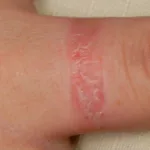
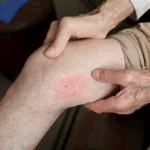
Below is a collection of photos that show rashes caused by shingles and those triggered by poison ivy for comparison.

About shingles
Shingles results from reactivation of the varicella-zoster virus — the same virus responsible for chickenpox, a disease more common in children.
In adults who previously had chickenpox, this dormant virus can reactivate later in life and cause shingles.
Read more about factors that can prompt reactivation of the shingles virus.
Symptoms
Shingles typically presents with pain or burning and a rash that frequently appears on the back, chest, neck, or face.
Other possible shingles symptoms include:
- fluid-filled blisters on the affected skin
- fever
- chills
- headaches
- fatigue
- weakness
Learn more about early signs of shingles.
Treatment
Shingles is a viral illness with no cure, but early medical treatment can speed recovery and reduce the chance of lasting complications. Treatment may involve:
- antiviral medicines
- anti-inflammatory drugs
- analgesics for pain
Most cases of shingles resolve within 3 to 5 weeks, and medications can help ease symptoms.
If symptoms persist or worsen, seek medical attention. Rarely, shingles can cause long-term issues such as hearing or vision loss, or postherpetic neuralgia.
Prevention
Vaccination is the most effective protection against chickenpox and shingles.
Shingrix, the shingles vaccine, is administered in two doses. The Centers for Disease Control and Prevention (CDC) advises Shingrix for adults aged 50 and over and for adults 19+ with compromised immune systems.
Receiving the shingles vaccine can lower your risk of getting shingles, lessen symptom severity, and reduce the likelihood of long-term complications. Find out more about vaccination for shingles.
Adults who have never had chickenpox or have not been vaccinated against it may be eligible for Varivax, the chickenpox vaccine.
Optum Now is operated by RVO Health. By clicking on this link, we may receive a commission. Learn more.
About poison ivy
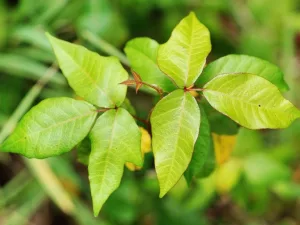
Poison ivy is a plant that contains an oil called urushiol, which commonly causes an allergic reaction leading to an itchy, blistering rash.
The plant’s sap, which carries the rash-causing oil, spreads easily through direct contact with the plant or with objects that have touched it.

Symptoms
A poison ivy reaction typically causes a rash with fluid-filled blisters on any skin that contacted the plant. Depending on skin tone, the rash may look red, flesh-colored, brown, or purple.
Other symptoms of poison ivy may include:
- swelling
- intense itching
- breathing difficulty if smoke from burning poison ivy is inhaled
Treatment
Most poison ivy rashes are not dangerous and can be managed at home with over-the-counter remedies like antihistamines and topical corticosteroids. Home treatments include:
- Washing skin and clothing: Gently cleanse any skin that contacted poison ivy to remove remaining sap, and wash affected clothing.
- Using an antihistamine: Oral antihistamines such as Claritin, Benadryl, or Zyrtec may help reduce itching from the allergic reaction.
- Soothing the skin: Oatmeal baths, cool compresses, topical steroids, and other creams can calm irritation and ease symptoms.
Typically, a poison ivy rash clears within 2 to 3 weeks, and symptoms can be controlled with the measures above. If the rash spreads widely or signs of a severe allergic reaction develop, see a healthcare provider right away.
Learn about home remedies for poison ivy.
Prevention
Preventing poison ivy begins with learning to identify the plant and avoiding contact. When outdoors, wear long clothing and promptly wash any garments or items that may have touched the plant.
If you know where a poison ivy vine or clump is located, you can remove it carefully yourself or hire a professional to take it out for you.
Takeaway
Shingles produces symptoms not typically seen with poison ivy, such as pronounced pain, fever, headache, and systemic fatigue.
Shingles most often occurs in people aged 50 and older, while poison ivy can affect individuals of any age who encounter the plant outdoors.
If you develop a new rash accompanied by additional or worsening symptoms, consult a healthcare professional promptly to obtain the proper diagnosis and treatment.











Leave a Reply
You must be logged in to post a comment.