
Is Tea Tree Oil a Safe and Effective Treatment for Nail Fungus?

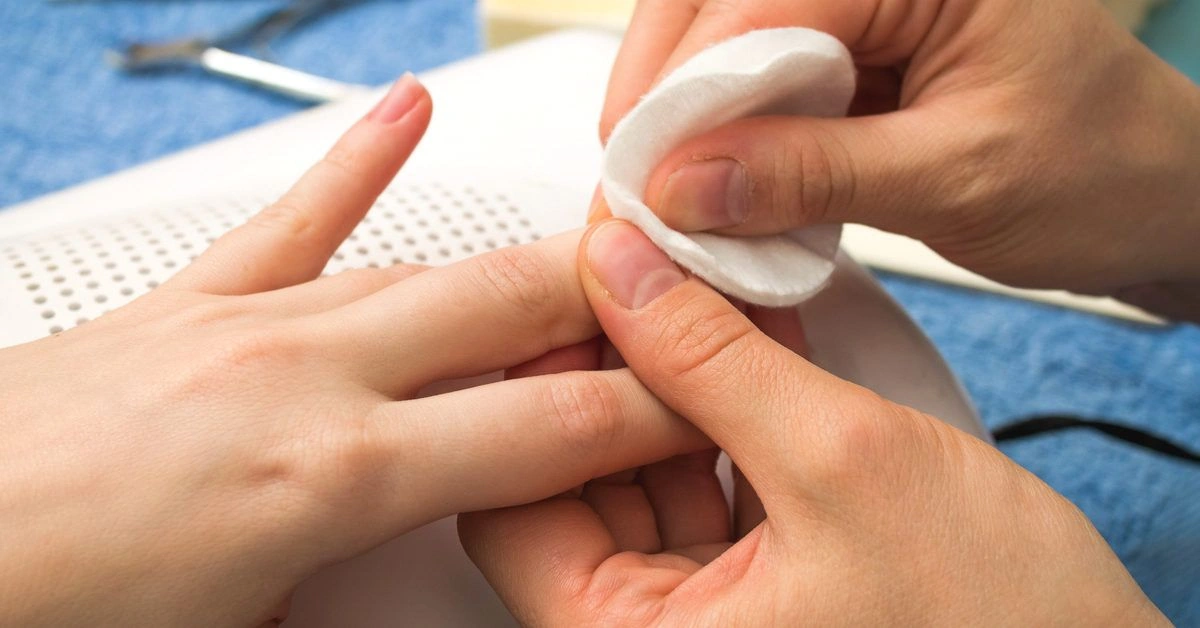
Many online sources claim that applying tea tree oil routinely can clear up nail fungus, but scientific findings are inconsistent.
Tea tree oil is an essential oil credited with several therapeutic effects. Because it exhibits antifungal and antiseptic qualities , some people believe it could serve as a remedy for fungal nail infections.

Still, study outcomes are mixed. More recent research suggests tea tree oil may be a safe home remedy but not consistently effective as a standalone treatment for fungal infections.
Treating nail fungus can be difficult since full resolution often requires months.
Read on to discover more about using tea tree oil as an adjunct for nail fungus treatment.
Does tea tree oil work?
Evidence from scientific investigations on tea tree oil for nail fungus is varied. Some studies, particularly older ones, indicate tea tree oil might have antifungal activity.
For instance, a 2013 study reported that tea tree oil inhibited growth of the fungus Trichophyton rubrum in nail infections. T. rubrum can cause conditions such as athlete’s foot and onychomycosis. Improvements were observed after 14 days.
That research was conducted in vitro — essentially a test-tube experiment — rather than in humans or animals. Larger clinical studies are necessary to confirm these findings.
Using tea tree oil alongside conventional medicated creams is another possibility. A small 1999 trial found that participants managed toenail fungus successfully with a cream combining 2% butenafine hydrochloride and 5% tea tree oil.
After 8 weeks of treatment, 80% of those using the combination cream achieved a cure without relapses, while none in the placebo group were cured. More research is required to determine which ingredient provided the main benefit. The investigators also noted that participants who received only tea tree oil did not achieve full cures.
However, more recent studies present less clear support.
Authors of a 2021 paper concluded tea tree oil might serve as a complementary option to reduce reliance on traditional antifungals, but most existing evidence remains limited to laboratory studies and human and animal trials are needed.
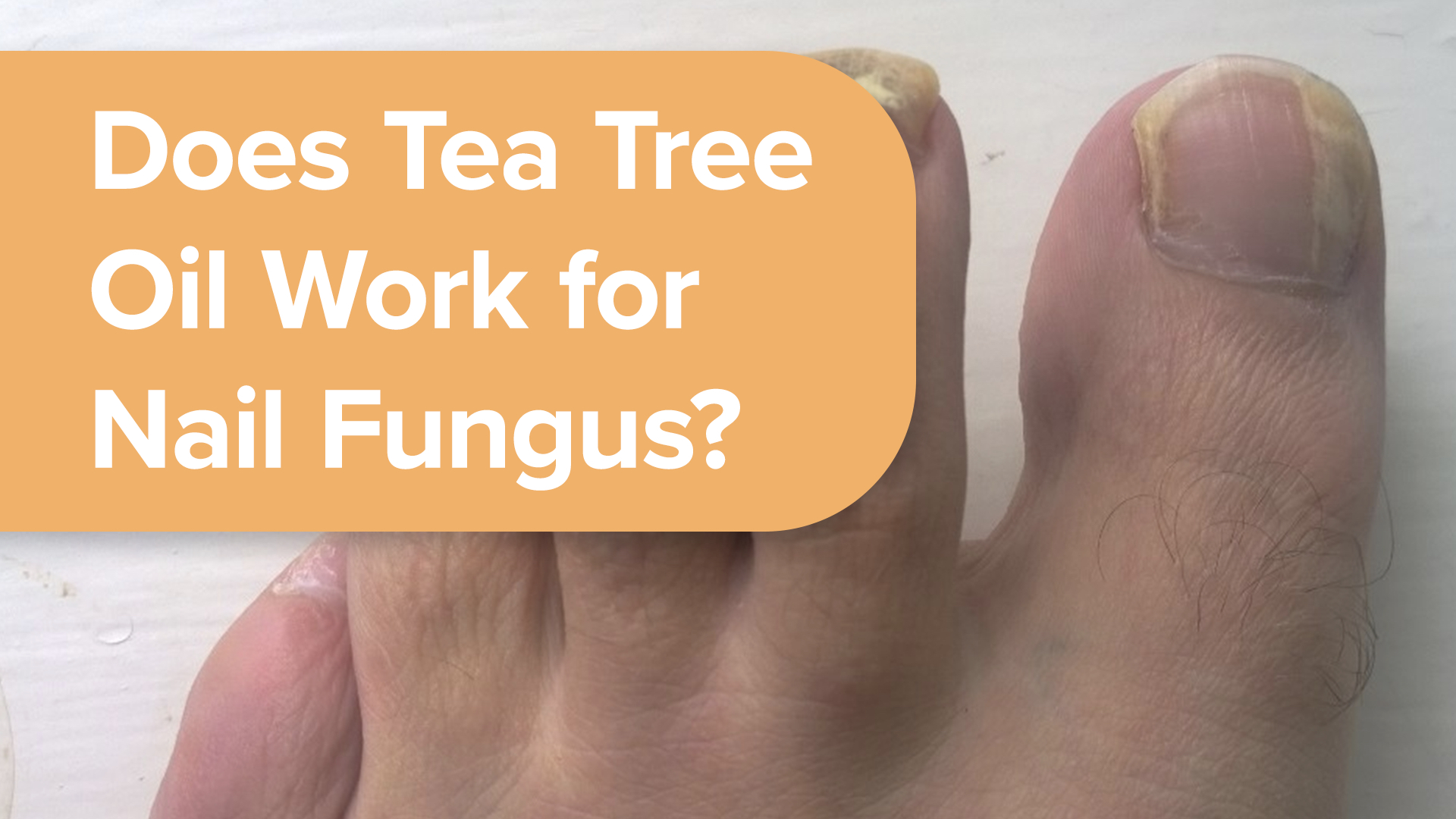
A 2022 review of multiple studies found insufficient evidence to support tea tree oil as either a primary or adjunctive treatment for fungal infections, noting that older trials were small and of low quality.
Is tea tree oil safe for nail fungus?
Tea tree oil is generally safe when applied topically at concentrations below about 15% . That means it should be diluted with a carrier oil like coconut or olive oil. A typical dilution is at least six drops of carrier oil for every drop of tea tree oil. For sensitive skin, consider increasing the carrier ratio to about 12 drops per drop of tea tree oil.
Allergic reactions are possible. Some people experience skin irritation such as redness, itching, or inflammation.
Talk with a healthcare provider before using tea tree oil if you are pregnant or breastfeeding.
How to try tea tree oil for nail fungus
Always perform a patch test first: apply a single drop of diluted tea tree oil to a small skin area and wait 24 hours. If there’s no irritation, broader application should be safe.
Never ingest tea tree oil or get it in your eyes. Consult a pediatrician before using it on children.
For nail fungus, use a dropper or cotton swab to apply the diluted solution directly to the affected nail for a few minutes.
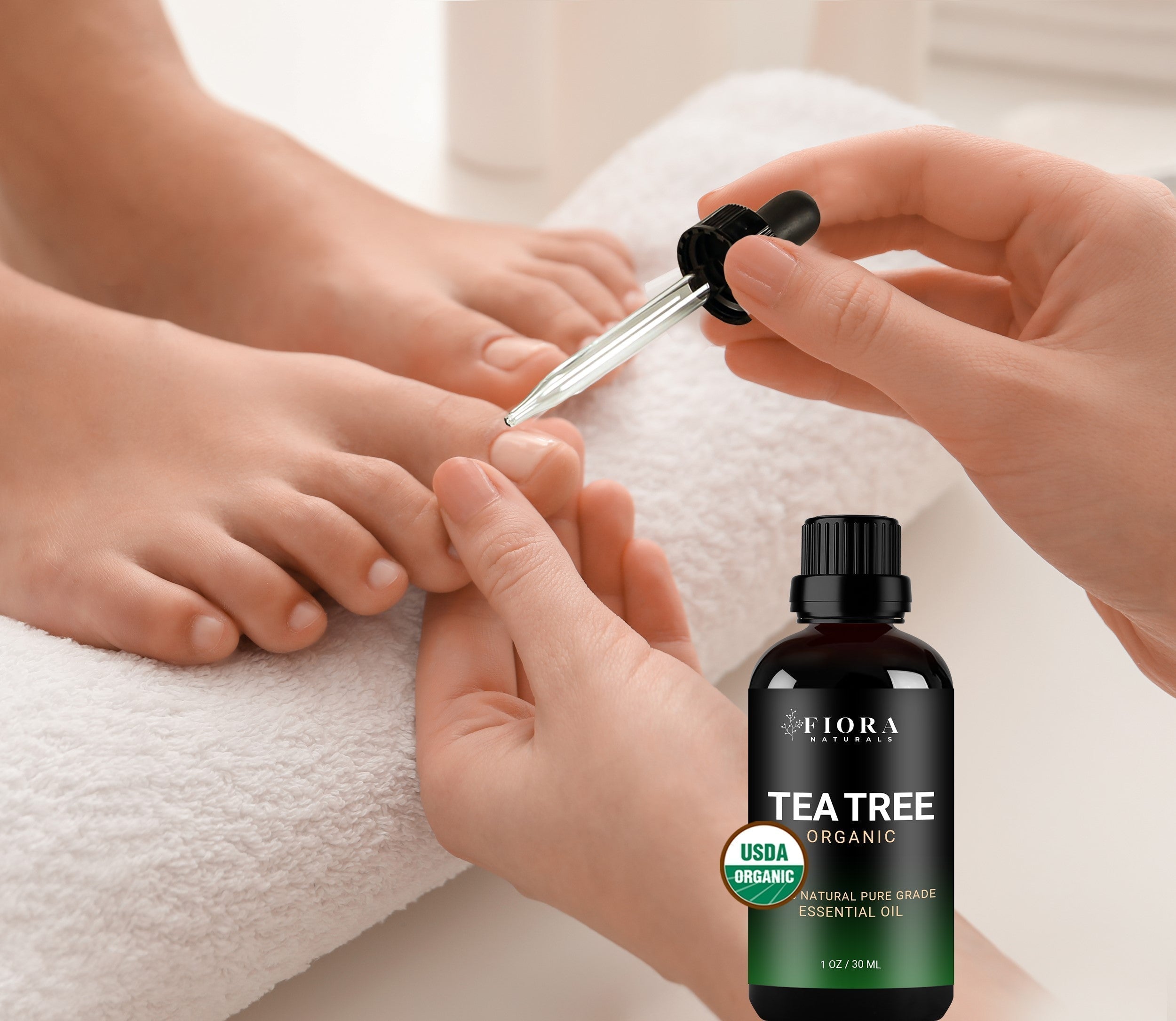
You can also soak your feet several times a week. Mix five drops of tea tree oil with half an ounce of carrier oil, stir that into a basin of warm water, and soak feet for roughly 20 minutes.
Keep nails trimmed and tidy while healing. Use clean clippers, scissors, or a file to remove dead nail material.
Also keep infected nails as clean and dry as possible. Wash your hands thoroughly after treating nails to avoid spreading the infection.
How long does it take to recover?
Consistency is key to seeing improvement. With appropriate treatment, it often takes several months for a nail to fully heal. The timeline depends on infection severity and individual response to therapy.
You can consider the infection cured once a completely new, infection-free nail has grown in.
Continuing precautionary treatments after the nail has grown out may help prevent recurrence.
Buying essential oils
Tea tree oil is sold online and in health stores. Suppliers should be able to answer questions about their product.
Use a high-quality tea tree oil for the best chance of benefit. Consider these factors when purchasing:
- Choose an oil that’s 100% pure.
- Prefer organic options when available.
- Look for oil with 10%–40% terpinen content, a key antiseptic and antifungal component.
Investigate manufacturers and brands. Essential oils can vary in purity, contamination risk, and potency. The U.S. Food and Drug Administration (FDA) does not regulate essential oils, so buy from a reputable source.
How to store essential oils
Keep essential oils away from direct sunlight, moisture, and extreme temperatures. Room temperature storage is generally fine. In very warm or humid climates, refrigerating them is an option.
When to seek help
If your self-care measures do not lead to improvement or if the infection worsens, see a doctor. Nail fungus can cause complications, particularly for people with diabetes or a weakened immune system.
Takeaway
Tea tree oil may be a safe adjunctive option for treating nail fungus, but it should be used cautiously. Monitor its impact on the nail and surrounding skin, and stop use if any adverse reactions occur.
Also remember that full recovery from nail fungus can take considerable time.
Frequently Asked Questions
Evidence is mixed: lab studies show antifungal activity, and small trials suggest it might help as an adjunct, but large clinical studies do not consistently confirm it as a reliable standalone cure.
Dilute tea tree oil with a carrier oil (e.g., coconut or olive oil). Apply with a dropper or cotton swab to the affected nail once or twice daily, and perform a patch test first to check for irritation.
Topical use is generally considered safe at concentrations below about 15%. A common dilution is at least six drops of carrier oil per drop of tea tree oil; increase carrier ratio for sensitive skin.
Improvement can take several months because nails grow slowly. Consistent treatment and nail care are required, and a fully healthy nail may not appear until the infected nail has fully grown out.
See a healthcare provider if the infection worsens, does not improve after consistent self-care, or if you have diabetes, a weakened immune system, or signs of spreading infection.






Related Posts

Habba Syndrome: What It Is and What to Do About It
Aug 21, 2026 • 7 min read
7 Ways to Remove Dead Skin from Your Feet
Sep 10, 2026 • 8 min read
Tomatoes 101: Nutrition Facts and Health Benefits
Sep 3, 2026 • 13 min read
Green Tea for Hair: A Complete Guide
Aug 4, 2026 • 25 min read
Retroperitoneal Inflammation
Sep 12, 2026 • 34 min read