

Issues with memory, balance, and other cognitive and motor functions can be among the possible health effects of inhaling mold spores.
Mold is a form of fungus that flourishes in damp environments such as basements, bathrooms, or on spoiled food. Most residences contain some mold, and you might be wondering whether the mold in your living space poses a health risk.
It depends on the mold species and how much you’ve been exposed. Breathing certain mold spores or touching particular molds can lead to a variety of health problems, including neurological signs and symptoms.
Neurological effects can range from mild headaches to more severe issues such as memory impairment or difficulty walking. Children, older adults, pregnant people, and those with weakened immune systems are particularly at risk for complications from mold exposure.
Continue reading to learn more about the possible neurological consequences of exposure to toxic mold, which symptoms to monitor, and when to seek medical attention.
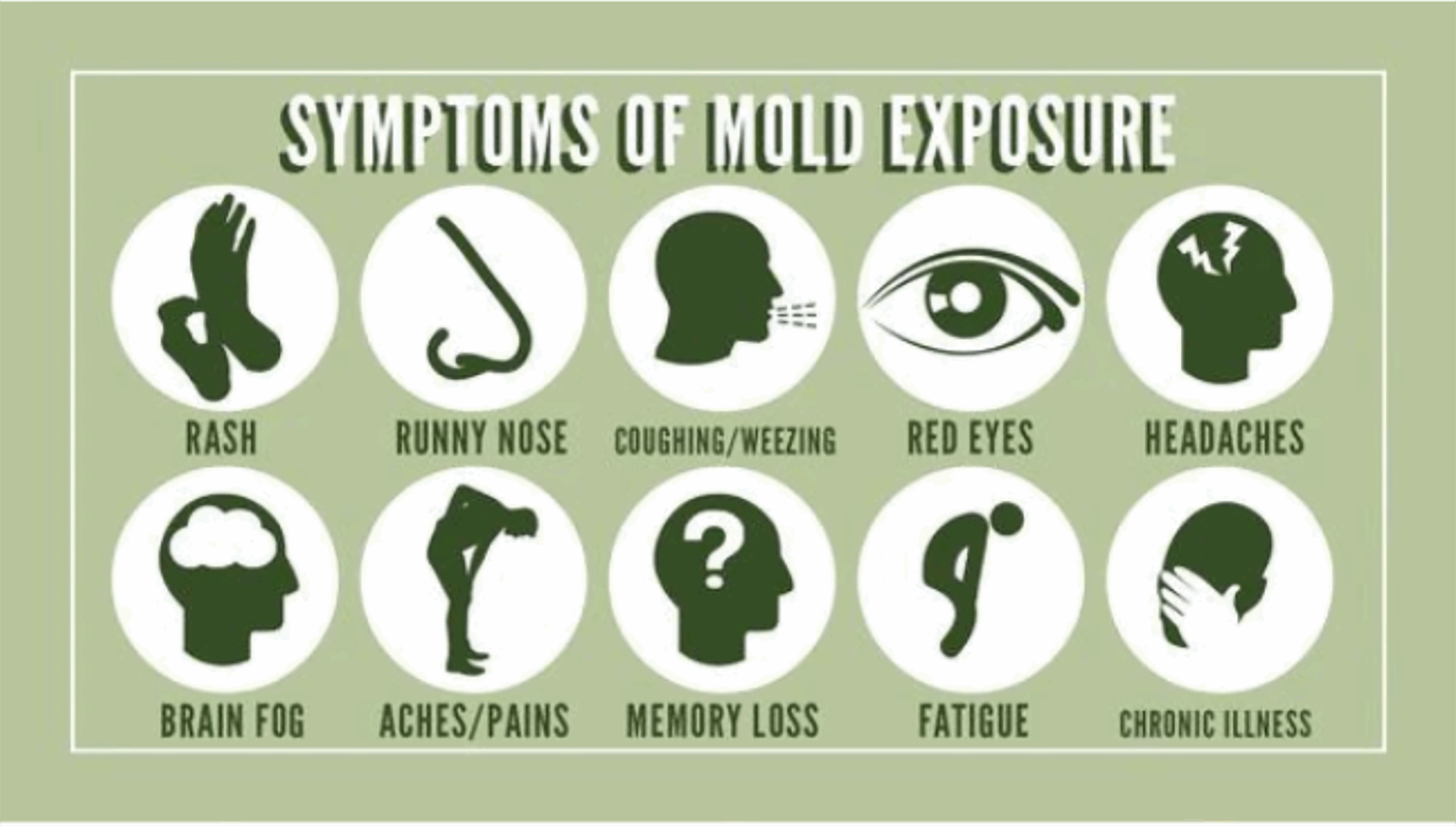
How might mold impact the brain and nervous system?
A 2020 paper proposed that mold exposure can lead to neurological problems by two principal mechanisms:
- direct infection
- release of chemical compounds known as mycotoxins
Central nervous system infections
An example of a mold that can cause infection is Cladophialophora bantiana, which can invade the brain and spinal cord (the central nervous system, or CNS). Such infections are uncommon but can be life-threatening.
More often, mold doesn’t directly infect nervous tissue but provokes an immune reaction that affects the nervous system.
A 2021 animal study reported that inhaling mold might activate innate immune pathways that contribute to memory problems, anxiety-like behaviors, and other effects.
Mycotoxins
Mycotoxins are harmful compounds made by certain molds. When mold colonizes indoor environments, it can emit these toxins into the air, which people may inhale.
Mycotoxins may also directly injure the brain. Some studies indicate that mold-produced toxins can disrupt neural communication pathways, producing symptoms such as headaches, memory deficits, abrupt mood shifts, and movement problems.
What neurological symptoms can result from mold exposure?
People exposed to mold have reported a variety of neurological symptoms, and it’s often difficult to predict who will be affected or what problems they will develop.
Symptoms differ depending on overall health, any underlying medical conditions, and the extent of exposure to mold.
Some frequently reported neurological signs include:
Headaches
Headaches are a frequent complaint after mold exposure and can range from mild to severe. Researchers believe mold-related headaches may stem from the immune system’s response to mold spores or mycotoxins.
People often describe these headaches as dull, persistent, or pressure-like. They may resemble migraines and be accompanied by nausea or sensitivity to light and sound.
Seizures
Mold, particularly when it causes CNS infection, can provoke seizures in some individuals. The mycotoxins made by some molds may alter the brain’s electrical activity, resulting in seizures.
Seizures are less common than headaches but are a more serious neurological sign. If a seizure occurs following mold exposure, seek immediate medical care.
Brain fog
Mold exposure can impair cognitive functions such as attention, concentration, and memory — often described collectively as “brain fog.” People experiencing brain fog may feel mentally sluggish, easily distracted, or confused.
A 2023 analysis proposed that mycotoxins could disrupt normal brain activity, making it more difficult to process information and think clearly.
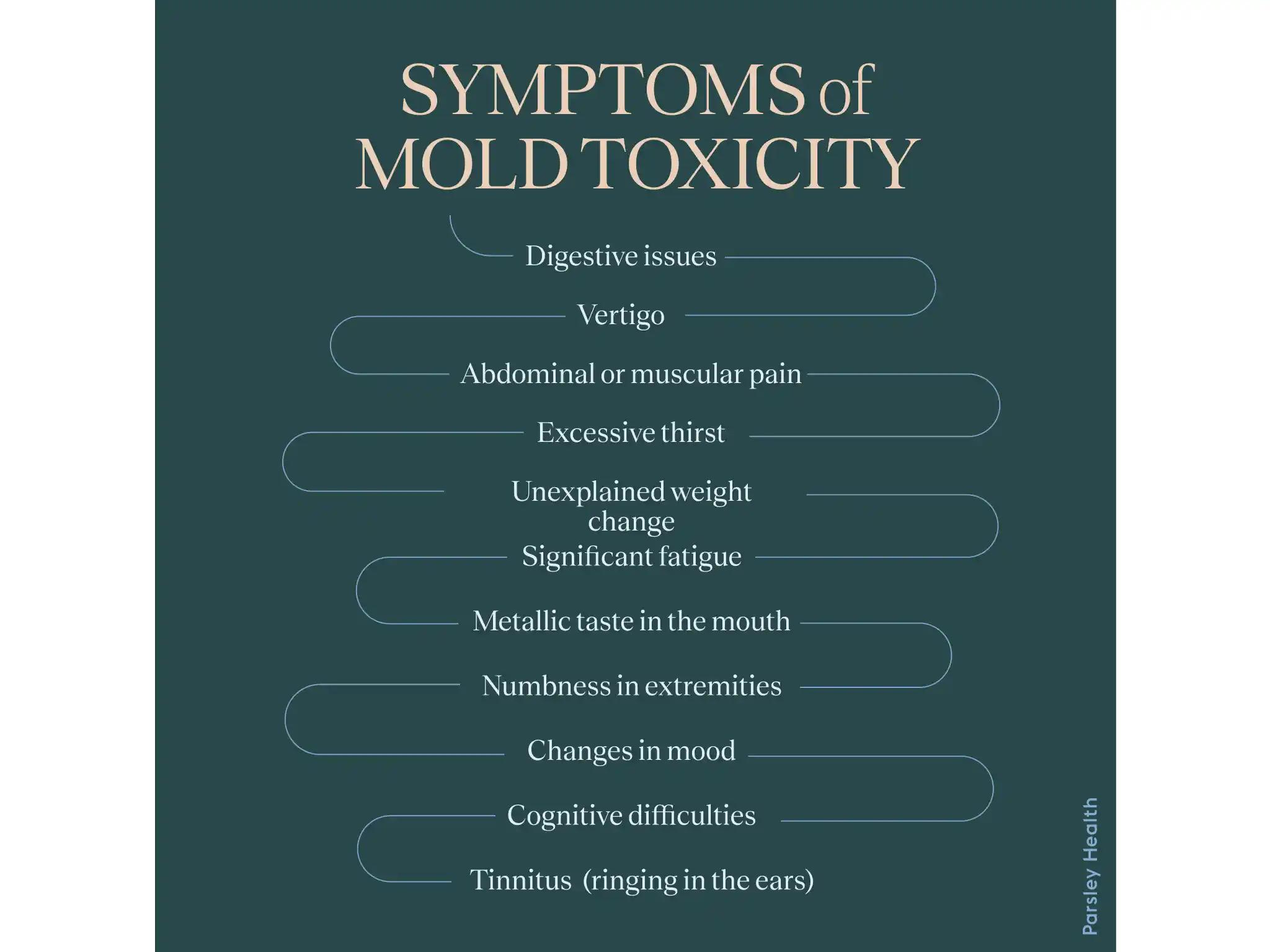
Emotional and mood disturbances
Exposure to mold may also influence emotional health, inducing symptoms such as:
- anxiety
- depression
- irritability
- sudden mood swings
Per a 2021 study, people living or working in moldy buildings reported depression, anxiety, and cognitive alterations.
In 2024, the Association of Scientific Medical Societies in Germany (AWMF) revised guidance on managing mold exposure and acknowledged mood disorders as a possible consequence.
The precise mechanism behind mold-associated mood changes remains under investigation, but one hypothesis is that mold toxins interfere with neurotransmitters that regulate mood and emotion.
Pain syndromes
Mold exposure can promote inflammation, causing aching joints and muscle pain. It may also be implicated in triggering fibromyalgia, a disorder marked by widespread pain without a clear cause.
A 2020 study also noted a potential association between mold exposure and the development or worsening of complex regional pain syndrome (CRPS), a disorder that often follows major health events such as severe infections, heart attacks, or surgery.
CRPS causes pain that is often disproportionate to the initial injury or illness. Like fibromyalgia, CRPS is chronic and managed primarily through symptom control.
Movement disorders
Some people exposed to mold may develop movement difficulties, termed ataxia, which can include:
- tremors
- trouble walking
- reduced muscle coordination
Movement problems tied to mold exposure may result from mycotoxins produced by fungi. These toxins can damage brain regions or neural pathways involved in movement and lead to ataxia.
Balance and coordination issues
Beyond movement deficits, mold exposure can impair balance and coordination, making walking or standing steadier difficult and increasing fall risk. You may feel unsteady or struggle with fine motor tasks like writing or using a phone or computer.
These issues may occur because mold toxins can affect brain areas that control balance and movement.
When should you see a doctor?
If you suspect mold is impacting your brain or nervous system, contact a healthcare provider promptly. Seek medical attention for persistent headaches, memory loss, seizures, or other unusual neurological signs.
Even if you’re unsure whether mold is the cause, a physician can evaluate you for mold exposure and other possible triggers, and suggest treatments to manage symptoms.
Frequently asked questions
Can exposure to mold cause peripheral neuropathy?
A 2017 Finnish study examining mold in residences, hospitals, schools, and other sites found that peripheral neuropathy — while uncommon — is among the neurological conditions linked to mold exposure. Peripheral neuropathy can cause pain, tingling, or numbness, typically in the hands or feet.
For information on supportive approaches, see resources on peripheral neuropathy natural treatments.
How can I test myself for mold toxicity?
Testing for mold toxicity usually involves blood and urine analyses that look for indicators of exposure, such as mycotoxins or immune markers.
Sometimes more comprehensive evaluations are necessary to establish a diagnosis, which is why seeing a healthcare professional is recommended if you suspect mold exposure.
How do you detox your body from mold?
Removing mold from your environment is the first step in recovery. Detox strategies often include:
- eliminating mold sources in your home
- optimizing nutrition
- maintaining adequate hydration
- in some cases, using targeted medical treatments such as antifungal agents
Always consult a doctor before trying treatments, rather than relying on unproven over-the-counter remedies. For guidance on clearing mold from the body, see how to detox your body from mold.
How long does it take to recover from mold exposure?
The timeframe for recovery varies and depends on factors such as duration and degree of exposure, the specific mold involved, your overall health, and how quickly you receive care.
Recovery may take months after chronic exposure. Long-term exposure can lead to persistent sensitivity. A doctor can design a treatment plan that may include medications, and in severe cases you may need to avoid future mold contact.
Takeaway
Mold exposure can be linked to a variety of neurological symptoms, including headaches, memory difficulties, seizures, and mood disturbances. Many of these effects are thought to stem from mycotoxins that can impair brain and nervous system function.
If you experience any of these symptoms, especially along with breathing problems or other unexplained health issues and suspect mold exposure, seek medical advice.
The best prevention is to reduce indoor mold by controlling moisture and addressing water damage promptly. If you detect mold or strongly suspect its presence, consider hiring a professional for testing and remediation. Regular cleaning and proper ventilation can also lower your risk.





















Leave a Reply
You must be logged in to post a comment.