
Hemiplegia is a disorder resulting from brain injury or spinal cord damage that produces paralysis affecting one side of the body. It leads to weakness, impaired muscle control, and increased muscle tone. The intensity of hemiplegia symptoms depends on where and how extensive the injury is.

When hemiplegia begins before birth, during delivery, or within the first two years of life, it’s termed congenital hemiplegia. If it appears later in life, it’s called acquired hemiplegia. Hemiplegia is non-progressive — once it appears, symptoms do not worsen over time.
Continue reading to understand why hemiplegia happens and the typical treatment approaches available.
Hemiparesis vs. hemiplegia
Hemiparesis and hemiplegia are terms often used interchangeably and share many clinical features.
Someone with hemiparesis has weakness or partial paralysis on one side of the body. An individual with hemiplegia may have up to complete paralysis on one side and might also have difficulty with speech or breathing.
Hemiplegia vs. cerebral palsy
Cerebral palsy is a broader diagnosis than hemiplegia, encompassing a range of conditions that impact movement and muscle tone.
Cerebral palsy develops either before birth or during early childhood. Adults do not develop cerebral palsy, although someone with the condition may notice changes in symptoms as they get older.
The leading cause of hemiplegia in children is a prenatal stroke occurring while the fetus is in the womb.
Hemiplegia symptoms
Hemiplegia can involve either the left or right side of the body. Damage to one hemisphere of the brain produces symptoms on the opposite side of the body.
Individuals may show different signs depending on how severe the hemiplegia is. Symptoms can include:
- weakness or stiffness of muscles on one side
- muscle spasticity or permanently tight muscles
- diminished fine motor abilities
- difficulty walking
- impaired balance
- trouble grasping objects
Children with hemiplegia might also reach developmental milestones more slowly than peers. They may favor one hand in play or hold one hand clenched.
If hemiplegia follows brain injury, the brain damage can produce additional symptoms not unique to hemiplegia, such as:
- memory difficulties
- reduced concentration
- speech problems
- changes in behavior
- seizures
Hemiplegia causes
Stroke
Strokes are among the most frequent causes of hemiparesis. The extent of muscle weakness is influenced by the stroke’s size and location. Prenatal strokes are the most common source of hemiplegia in children.
Brain infections
Infections of the brain can produce lasting harm to the cerebral cortex. Most are bacterial, though viral or fungal infections can also occur.
Brain trauma
A sudden blow to the head may cause permanent brain injury. If damage is localized to one side of the brain, hemiplegia can follow. Typical causes of trauma include motor vehicle crashes, sports injuries, and assaults.
Genetics
A very rare mutation in the ATP1A3 gene can produce alternating hemiplegia in children. This condition causes temporary hemiplegic episodes that recur. It affects about 1 in 1 million people.
Brain tumors
Brain tumors can cause various physical deficits including hemiplegia. Hemiplegic symptoms may intensify as the tumor enlarges.
Types of hemiplegia
The following movement disorders can produce hemiplegic signs.
Facial hemiplegia
Facial hemiplegia causes paralysis of muscles on one side of the face. It may occur together with mild hemiplegia affecting other parts of the body.
Spinal hemiplegia
Spinal hemiplegia is also known as Brown-Sequard syndrome. It results from injury on one side of the spinal cord, producing paralysis on the same side as the lesion and loss of pain and temperature sensation on the opposite side.
Contralateral hemiplegia
This term describes paralysis on the side opposite to where brain injury has occurred.
Spastic hemiplegia
This form of cerebral palsy primarily affects one side of the body, with muscles on the involved side remaining continuously tight or spastic.
Alternating hemiplegia of childhood
Alternating hemiplegia of childhood typically presents in infants younger than 18 months and causes recurrent episodes of hemiplegia that can affect either or both sides.
Hemiplegia treatment
Treatment for hemiplegia varies with its cause and the intensity of symptoms. People commonly participate in multidisciplinary rehabilitation involving physiotherapists, occupational therapists, and mental health professionals.
Physiotherapy
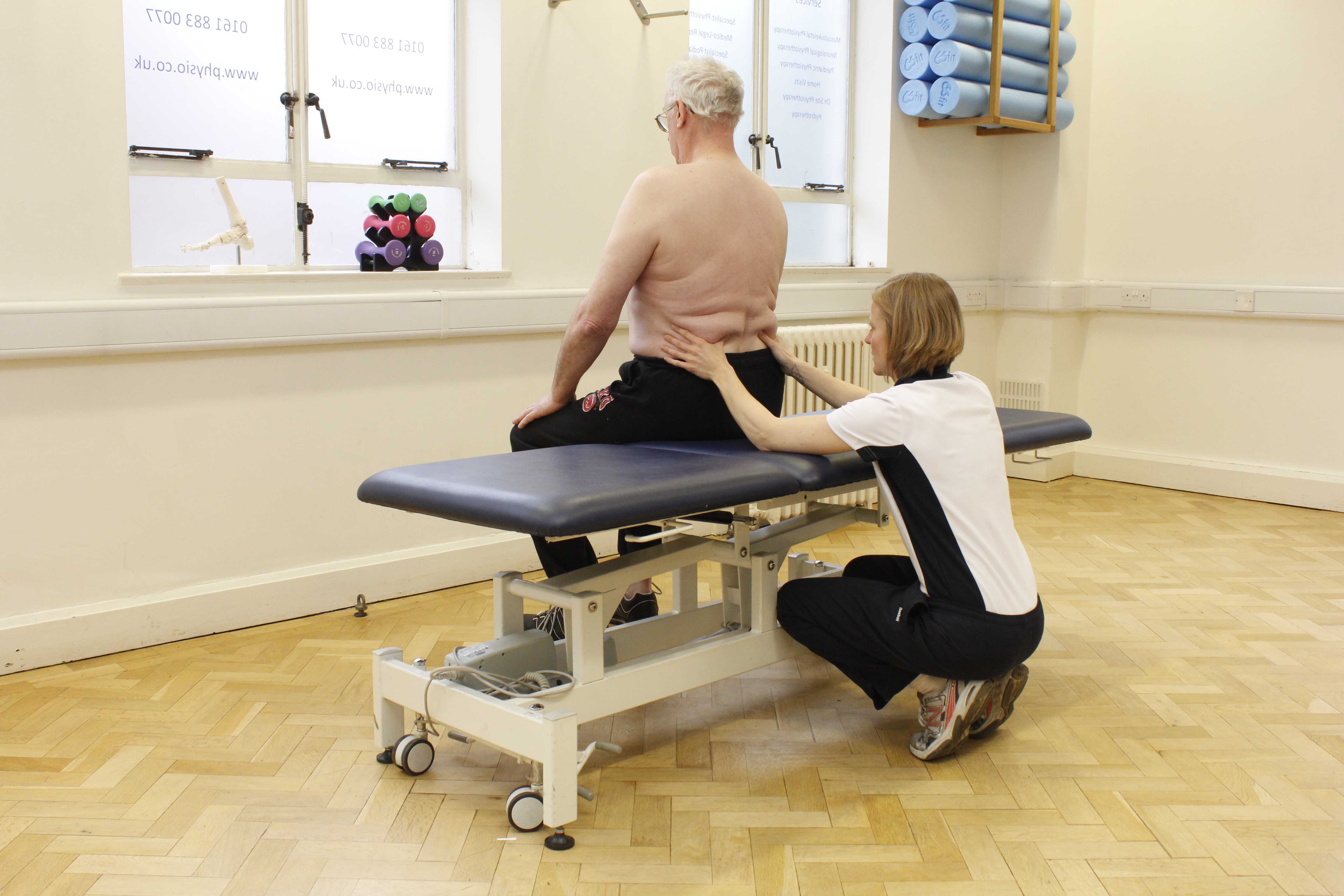
Working with a physiotherapist helps individuals with hemiplegia improve balance, build muscle strength, and coordinate movements. Therapists also assist with stretching tight, spastic muscles.
Modified constraint-induced movement therapy (mCIMT)
Modified constraint-induced movement therapy involves restricting the less affected side of the body. This approach encourages the weaker side to perform tasks, aiming to enhance motor control and mobility.
A small study published in 2018 suggested that incorporating mCIMT into stroke rehabilitation might be more beneficial than conventional therapies alone.
Assistive devices
Some therapists may suggest braces, canes, wheelchairs, or walkers. An assistive device can improve mobility and muscle control.
Consulting a healthcare professional helps determine the most suitable device. They may recommend home adaptations such as raised toilet seats, ramps, and grab bars.
Mental imagery
Mental rehearsal of moving the paralyzed side can help activate brain areas responsible for movement. Mental imagery is commonly combined with other therapies rather than used alone.
A meta-analysis of 23 studies found that mental imagery, when paired with physical therapy, might help restore strength.
Electrical stimulation
Clinicians can use electrical stimulation pads to elicit muscle contractions in muscles that patients cannot move voluntarily. Electrical stimulation aims to rebalance activity in the affected brain hemisphere and enhance brain plasticity.
Is hemiplegia permanent?
Hemiplegia is considered a permanent condition with no known cure at present. It is non-progressive, meaning symptoms usually don’t worsen over time.
With an effective rehabilitation program, a person with hemiplegia may significantly improve their symptoms. Many individuals with hemiplegia live active, independent lives using mobility aids.
Resources for people with hemiplegia
If your child has hemiplegia, the Children’s Hemiplegia and Stroke Association offers information and support, including state-specific resources and options for those in Canada or the United Kingdom.
If hemiplegia resulted from a stroke, the Stroke Center website provides a comprehensive list of resources.
Takeaway
Hemiplegia is significant paralysis of one side of the body caused by brain injury. It is non-progressive and does not worsen after onset. With an appropriate treatment plan, symptoms can often be improved.
If you have hemiplegia, consider these lifestyle measures to support rehabilitation:
- Maintain as much physical activity as you are able to.
- Adapt your living space with aids such as ramps, grab bars, and handrails.
- Choose flat, supportive footwear.
- Follow your clinician’s advice about assistive devices.
For related information on conditions that can be confused with hemiplegia, see hemorrhoid vs polyp.















Leave a Reply
You must be logged in to post a comment.