

A detox bath is often touted as a natural method to assist the body in eliminating unwanted substances. However, solid proof is limited regarding whether detox baths actually help relieve a cold.

During a detox soak, substances like Epsom salt (magnesium sulfate), ginger, and aromatic oils are dissolved into warm bathwater. Typical soak times range from about 12 minutes up to an hour.
A detox bath might ease some cold-related complaints by promoting relaxation and reducing muscle soreness, but outcomes differ among individuals.
Continue reading to find out more about using a detox bath to manage cold symptoms, plus practical guidance on how to take one.
Does it work?
Research on the effectiveness of detox baths for treating cold symptoms is sparse. Still, colds, coughs, and influenza often cause muscle soreness and body aches, and detox soaks can sometimes relieve those sensations.
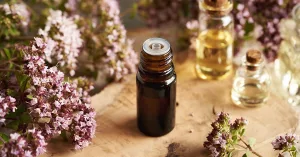
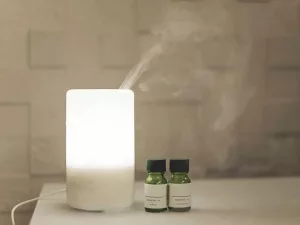
Putting essential oils like lavender or chamomile into your bath may offer additional relief for cold symptoms because these oils can promote relaxation and calmness.
A small study with 19 participants indicated that adding Epsom salt to a bath can raise magnesium levels in the body. This might aid the removal of lactic acid, potentially reducing aches and soreness and helping muscles relax.
Some limited studies suggest certain essential oils possess antimicrobial and antiviral qualities. For instance, eucalyptus may be helpful for upper respiratory viruses and can assist with clearing congestion. Nonetheless, further research is necessary to validate these benefits and the role of essential oils in detox baths.
Can a bath help to treat a fever?
Although rigorous evidence is limited, a warm bath remains a long-standing home remedy for lowering a fever. Use water that is lukewarm (about 80°F to 90°F or 27°C to 32°C), and avoid bathing if you feel dizzy or unstable. If you begin to shiver, raise the water temperature — shivering indicates your body is trying to increase its temperature, which can aggravate a fever.
Are detox baths safe?
Talk with your healthcare provider to determine whether detox baths are appropriate for you. Pregnant people, children, and anyone with reduced kidney function should avoid detox baths. (Impaired kidneys may struggle to eliminate excess magnesium.)
Always remain well-hydrated before, during, and after a detox soak. Leave the bath immediately if you feel faint, dizzy, or begin shivering.
How to use a detox bath
There are several detox bath recipes depending on the symptoms you want to address. You might start with one bath per week and monitor for effects like dry skin or dehydration.
Begin with a shorter soak (12 to 20 minutes) to observe how your body responds. If they are relaxing and you have no adverse reactions, you can lengthen the duration and work up to three baths weekly.
Epsom salt bath
Potential benefits: Help relieve muscle aches and soreness, promote relaxation
- Fill the tub with warm water. While it fills, you may add 1 tablespoon of coconut oil and up to 5 drops of lavender oil, if desired.
- When there’s enough water for soaking, add 2 cups of Epsom salt. Stir the water with your hand or foot to dissolve the salt.
- Soak for a minimum of 12 minutes and up to 1 hour.
Ginger bath
Potential benefits: Encourages sweating, which might help the body expel toxins; may relieve muscle soreness.
- Combine 1/3 cup of Epsom salt, 1/3 cup of sea salt, and 3 tablespoons of ground ginger. Optionally include 1/3 cup of baking soda. Pour the blend into a warm running bath.
- As the tub fills, add 1 cup of apple cider vinegar.
- Soak for up to 45 minutes and sip water while you soak. Exit the bath if you begin to shiver.
- Dry off promptly after leaving the tub.
This soak can be very dehydrating. It’s crucial to drink fluids before, during, and after the bath to restore hydration.
Sea salt and eucalyptus bath
Potential benefits: May ease congestion and inflammation and relieve muscle aches
- Add 1 cup of sea salt, 1 cup of Epsom salt, and 10 drops of eucalyptus oil to warm running water. You may also include up to 2 cups of baking soda, if desired. Mix thoroughly by moving the water with your hand or foot.
- Soak for 12 minutes up to 1 hour.
When to seek help
Contact your doctor if cold symptoms haven’t improved after about a week to 10 days. Also seek medical attention if:
- Your fever exceeds 101.3°F (38°C)
- You’ve had a fever lasting more than five days
- You have shortness of breath
- You’re wheezing
- You experience severe sore throat, headache, or sinus pain
Optum Now is operated by RVO Health. By clicking on this link, we may receive a commission. Learn more.
Other home remedies for colds
To ease a cold, you can try additional home remedies.
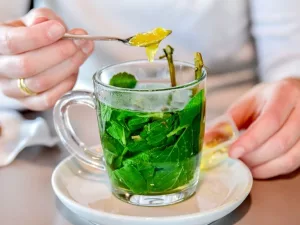
- Hot tea with honey can soothe a sore throat. Add fresh ginger and lemon to hot water for a simple remedy for cold-related throat irritation.
- A neti pot can flush mucus and debris from the nasal passages with a saline solution. It’s useful for sinuses, colds, and nasal allergies.
- Chicken noodle soup has mild anti-inflammatory effects that may help relieve cold symptoms. Fluids also support hydration when you’re ill.
The takeaway
A detox bath won’t cure a cold, but it may be comforting and calming. It can temporarily relieve symptoms such as congestion, muscle aches, or fever.
Other remedies, like sipping tea with honey, may also ease cold symptoms. If your illness worsens or doesn’t improve after 7 to 10 days, consult your healthcare provider.

















Leave a Reply
You must be logged in to post a comment.