
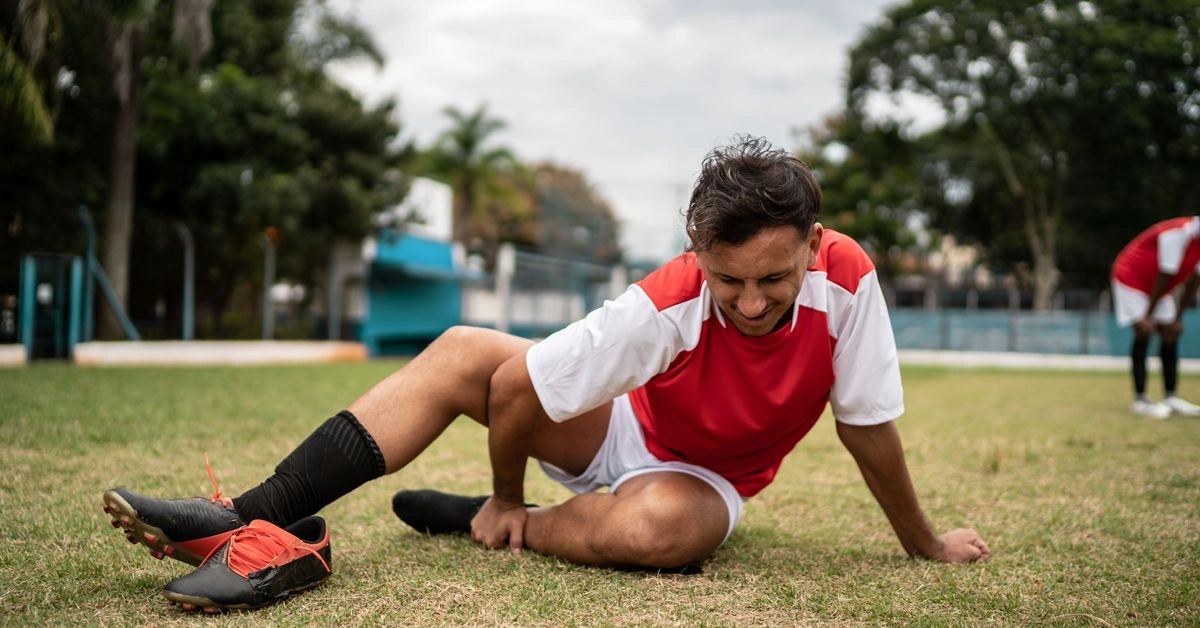
A hairline fracture commonly follows an injury and can lead to swelling and localized tenderness. Initial care may include applying ice to the injured area.
Also called a stress fracture, a hairline fracture is a tiny crack or deep bruise inside a bone. This injury most often affects athletes, especially those involved in sports with running and jumping. Individuals with osteoporosis can also develop hairline fractures.
Hairline fractures usually result from overuse or repetitive movements that produce microscopic damage to bone over time. Failing to allow adequate recovery between activities frequently contributes to the risk of developing this injury.

The bones of the foot and lower leg are particularly vulnerable to hairline fractures. These bones endure substantial forces during running and jumping. They are relatively slender and take the brunt of impact when pushing off the foot to run or leap.
Continue reading for more about the signs and causes of hairline fractures. This article also covers how they’re diagnosed, available treatments, and related information.
What are the symptoms of a hairline fracture?
The primary symptom of a hairline fracture is pain. This discomfort can worsen gradually, particularly if you keep doing weight-bearing activities. Pain tends to be worse during activity and eases with rest.
Additional symptoms include:
- swelling
- tenderness
- bruising
What causes a hairline fracture?
Most hairline fractures stem from overuse or repetitive motions. Increasing either the length or frequency of an activity can lead to a hairline fracture.
That means even if you regularly run, abruptly upping your mileage or how often you run each week can trigger this injury.
Changing the kind of exercise you do can also cause hairline fractures. For instance, an excellent swimmer can still suffer an injury from suddenly taking up an intense activity like running, regardless of overall fitness level.
Bones respond to greater forces from activities by forming new bone to replace old bone. This process is known as remodeling. If bone breakdown outpaces new bone formation, the chance of a hairline fracture rises.
Who’s most at risk for developing a hairline fracture?
Several risk factors increase the likelihood of a hairline fracture:
- Certain sports: Participation in high-impact sports such as track and field, basketball, tennis, dance, ballet, long-distance running, and gymnastics raises the risk of hairline fractures.
- Foot structure: High arches, rigid arches, or flat feet can heighten risk for hairline fractures.
- Weakened bone: Conditions like osteoporosis and medications that reduce bone density make fractures more likely, even during everyday activities.
- Previous stress fractures: A history of a hairline fracture increases the likelihood of another occurrence.
- Inadequate nutrients: Low vitamin D or calcium levels can weaken bones. Eating disorders also raise this risk.
- Change in surface: Alterations in playing surfaces can place extra strain on foot and leg bones. For example, switching from grass to a hard court in tennis can provoke injury.
- Unsupportive footwear: Running shoes that lack proper support can contribute to the risk of a hairline fracture.
How do doctors diagnose a hairline fracture?
If you suspect a hairline fracture, it’s important to see your doctor promptly.
The evaluation usually begins with questions about your medical history and overall health. Your physician will likely inquire about diet, medications, and other risk factors.
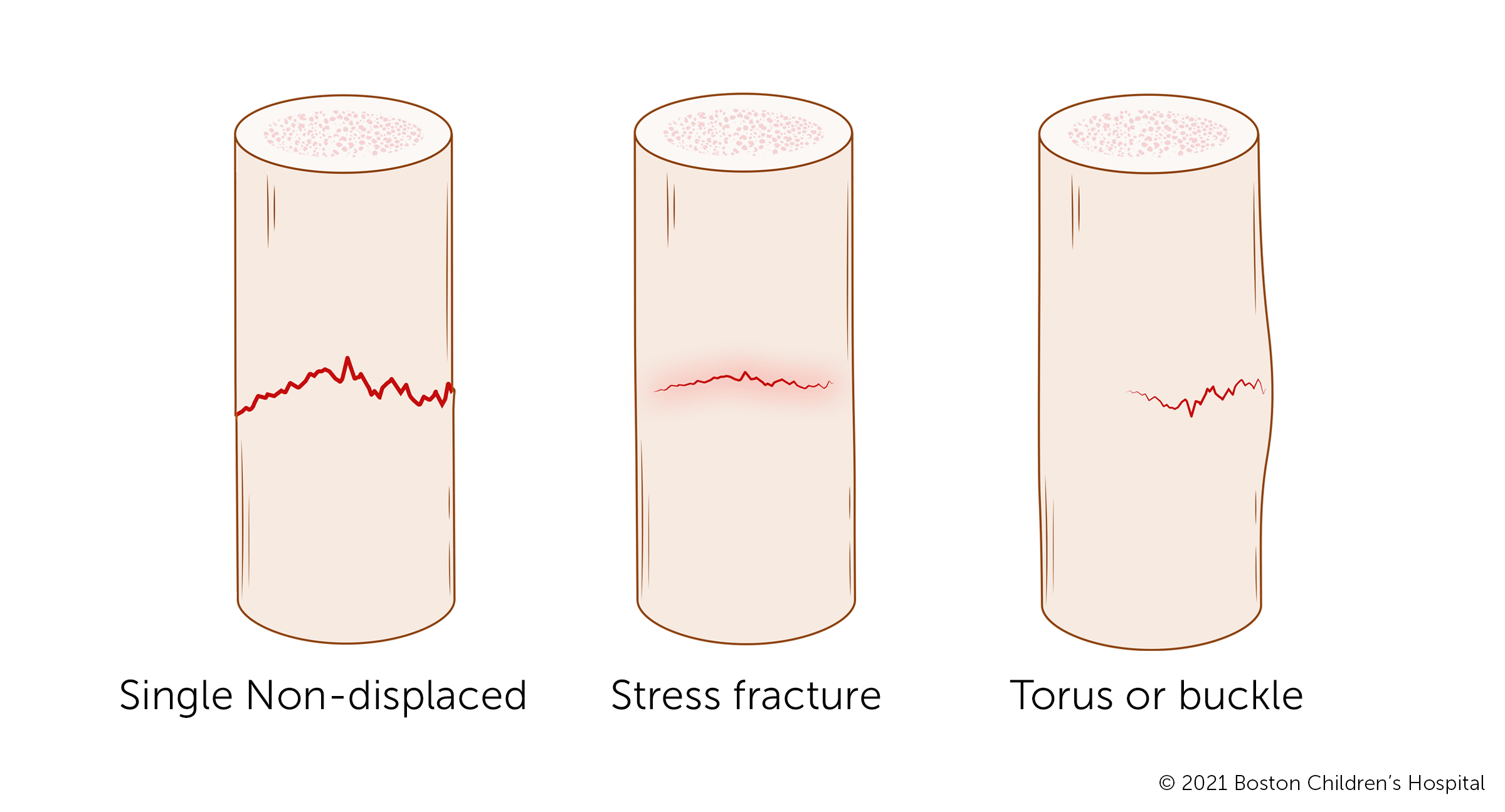
Next, they may perform several examinations, including:
- Physical exam: The doctor will examine the painful area and probably press gently to check for pain. Pain elicited by pressure is often a key clue for diagnosing a hairline fracture.
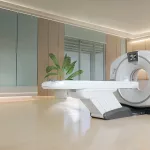
- MRI: MRI is the most sensitive imaging for detecting hairline fractures. Using magnets and radio waves, it produces images of bone and can reveal a fracture earlier than an X-ray. It also better characterizes the type of fracture.
- X-ray: Hairline fractures may not show up on X-rays immediately after the injury. A fracture might be visible if it’s more severe or becomes apparent after several days.
- Bone scan: A bone scan requires a small amount of radioactive tracer injected into a vein. The tracer collects in areas where bone is repairing. While this test shows increased activity, it’s not specific to hairline fractures and can be suggestive rather than definitively diagnostic.
What are the treatments for a hairline fracture?
Both home care and medical interventions can alleviate symptoms of a hairline fracture.
Home treatments
For immediate care when a hairline fracture is suspected, follow the RICE approach:
- rest
- ice
- compression
- elevation
Nonsteroidal anti-inflammatory drugs (NSAIDs) such as ibuprofen (Advil, Motrin) and aspirin (Bayer) can reduce pain and swelling.
See your doctor if pain becomes severe or doesn’t improve with rest. Your physician can confirm the diagnosis and recommend appropriate medical treatment.
Medical treatments
Your doctor may suggest using crutches to avoid placing weight on an injured foot or leg. Protective footwear or a cast may also be recommended.
Because healing typically takes at least 3 weeks, it’s important to adjust activities during recovery. Lower-impact options like cycling or swimming are suitable alternatives.
Your physician can discuss whether surgery is necessary and explain what the procedure would involve.
What are the complications of a hairline fracture?
If not properly rested and treated, a hairline fracture can progress to a complete break. Full fractures require longer recovery and more complex care.
It’s essential to get medical attention and treat a hairline fracture promptly.
What’s the outlook for someone with a hairline fracture?
Avoid high-impact activities while healing. Returning to the activity that caused the injury too soon will delay recovery and raise the risk of a full fracture.
Your doctor may order repeat X-rays to confirm healing before you resume previous activities. Even after recovery, steadily and gradually increasing exercise intensity is important.
Rarely, hairline fractures fail to heal properly, causing chronic pain. Discuss concerns with your physician to prevent persistent pain and further injury.
The bottom line
A hairline fracture, or stress fracture, is a small crack or severe bruise inside a bone. It’s more common among athletes, particularly those in high-impact sports.
Symptoms include pain, swelling, tenderness, and bruising. You can rest and ice the area if you suspect a hairline fracture, then see a doctor for confirmation.
The physician will advise how long to rest and when it’s safe to slowly resume activities. In more serious cases, surgery may be required.



















Leave a Reply
You must be logged in to post a comment.