7 Foods That Drain Your Energy


It’s completely normal for your energy to fluctuate slightly over the course of the day.
Several factors influence this natural rhythm, including how well you sleep, your stress levels, how active you are, and the types of foods and drinks you consume.
Most people assume that eating automatically restores vitality. And while that’s often true, some choices can have the opposite effect. If you’ve ever wondered, Does sugar give you instant energy, the answer is more complex than it seems. Sugar can create a rapid spike in blood glucose, but that surge is often followed by a noticeable crash.
This article explores seven common foods and beverages that may appear energizing at first but can ultimately leave you feeling fatigued and sluggish.

1. White Bread, Pasta and Rice
Grains are naturally rich in carbohydrates, which serve as one of the body’s primary energy sources.
However, refined grains such as white bread, white pasta and white rice may negatively affect your stamina rather than support it.
This is largely because the fiber-rich outer layer of the grain, known as the bran, is removed during processing. Without this layer, refined grains contain less fiber and are digested and absorbed more rapidly than whole grains (1 ).
As a result, meals high in refined grains often trigger a quick increase in blood sugar and insulin, followed by a sudden drop in energy.
Whole grains, on the other hand, help stabilize blood glucose and support steady energy levels throughout the day (2 ).
Processing also removes the germ, a nutrient-dense component of the grain. The germ contains essential nutrients, including B vitamins, which the body relies on to produce energy (3 ).
Choosing whole-grain alternatives instead of refined options can provide more sustained fuel and help prevent the blood sugar swings that contribute to fatigue.
:max_bytes(150000):strip_icc()/Apricot-ToppedRicottaToastWithHotHoney-004-2000-f84ec7db80ed49a19eee16a00a296c3d.jpg)
Summary Processed grains are found in foods such as white bread, white pasta and white rice. They contain fewer nutrients and may spike blood sugar levels, both of which can drain your energy levels.
2. Breakfast Cereals, Yogurts and Other Foods With Added Sugars
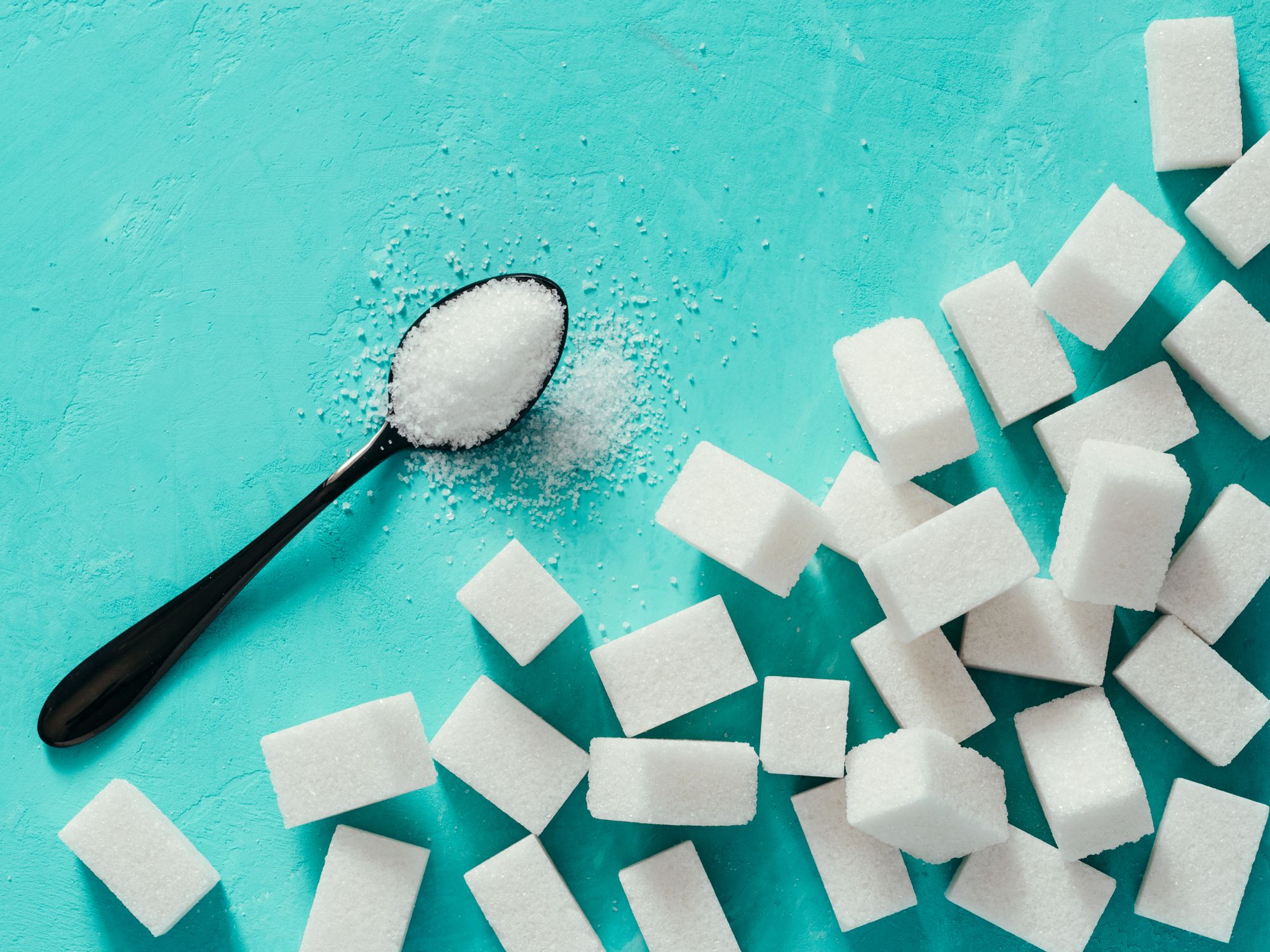
Many packaged foods are packed with added sugars, which can significantly impact your energy when consumed frequently.
Breakfast cereals are a prime example. Although they’re often marketed as a wholesome way to start the day, many varieties are high in added sugars and low in fiber.
In some popular cereals, sugars account for up to 50% of the total carbohydrates (4, 5, 6, 7).
This combination of high sugar and minimal fiber can cause rapid blood glucose fluctuations. If you’ve asked yourself, Does sugar give you instant energy, the short-term spike may feel energizing, but it is typically followed by a crash that leaves you feeling more tired than before.
Research also indicates that diets high in added sugars may increase cravings for additional sugary foods, creating a cycle of energy highs and lows (8 ).
If your goal is steady energy, choose cereals without added sugar that provide at least 4–5 grams of fiber per serving.
Other breakfast staples that frequently contain added sugars include flavored yogurts, fruit juices, muffins, granola bars and even certain breads.
For a more consistent source of energy, you may want to limit these items or select lower-sugar alternatives. If you’re curious about timing and blood glucose responses, you can explore How long does it take for sugar to give you energy to better understand how your body processes simple carbohydrates.
Summary Foods containing high amounts of added sugars can zap your energy levels rather than boost them. They may also increase your cravings for other sugary foods, which can create a vicious, energy-draining cycle.
3. Alcohol
Alcohol is widely recognized for its calming and sedative effects.
Many individuals find that a drink in the evening helps them unwind or fall asleep more easily.
While this might seem beneficial, alcohol can actually reduce both the quality and duration of sleep, leading to less restorative rest (9 ).
Even if you fall asleep quickly, disrupted sleep cycles can leave you feeling unrefreshed the following morning. Over time, this can contribute to persistent daytime fatigue.
Low to moderate alcohol intake does not appear to significantly impact sleep quality or duration. However, higher amounts are associated with greater energy depletion (10 ).
To minimize alcohol-related fatigue, keep intake within recommended limits: one or fewer standard drinks per day for women and two or fewer for men. One standard drink equals 12 ounces (355 ml) of beer, 5 ounces (148 ml) of wine or 1.5 ounces (44 ml) of spirits.
Summary Consuming too much alcohol, especially around bedtime, may reduce the quality and duration of your sleep, likely causing you to feel more tired the next day.
4. Coffee
In moderate amounts, coffee can provide several physical and cognitive benefits.
Studies suggest that coffee consumption may reduce the risk of neurodegenerative diseases such as Alzheimer’s and Parkinson’s by 26–34% (11 , 12).
A review of 18 studies found that each additional daily cup of coffee may lower the risk of developing type 2 diabetes by up to 7% (13).
Caffeine, the main stimulant in coffee, can temporarily enhance alertness and mental performance (14, 15).
:max_bytes(150000):strip_icc()/energy-boost-slump-2000-b5d3227c4844404192bd85a40fa97f39.jpg)
However, relying heavily on coffee instead of prioritizing balanced nutrition and sufficient sleep may gradually undermine your natural energy production (16 ).
Excess caffeine can also interfere with sleep quality, which may reduce long-term energy levels (17, 18 ).
Most adults should aim to limit coffee intake to around four cups daily (19 ).
Summary When consumed in moderation, coffee can boost energy levels and provide a slew of additional benefits. However, regularly relying on coffee to boost your energy levels, rather than on proper nutrition and sleep, can backfire over the long term.
5. Energy Drinks
Energy drinks are marketed as quick fixes for fatigue, and they can indeed deliver a short-lived boost.
Research shows that they may improve concentration and memory by about 24% while reducing sleepiness (20 , 21 , 22 ).
These beverages typically contain high levels of caffeine and sugar, which are largely responsible for their stimulating effects (23 ).
Some energy drinks provide as much as 10 teaspoons (52 grams) of sugar per container. Again, if you’re asking, Does sugar give you instant energy, the answer is yes—but only briefly. The rapid increase in blood sugar is often followed by a steep decline that may leave you more fatigued than before.
Habitual consumption can also lead to caffeine tolerance, meaning larger amounts are required to achieve the same effect (24 ).
Additionally, energy drinks may shorten sleep duration and compromise sleep quality, which can further reduce overall energy (25 ).
Some products contain more caffeine than coffee. For example, 5-Hour Energy provides 200 mg of caffeine in just 1.93 ounces (57 ml), roughly four times the caffeine found in the same volume of coffee.
Exceeding the recommended 400 mg daily caffeine limit can result in jitteriness, anxiety, heart palpitations and worsening panic attacks (17, 18 , 19 ).
Summary Energy drinks can provide a short-term boost in energy levels. However, their high sugar and caffeine content can reduce the duration and quality of your sleep and cause your energy levels to crash, leaving you feeling drained.
6. Fried and Fast Foods
Fried and fast foods may also leave you feeling sluggish.
They are typically high in fat and low in fiber, a combination that can slow digestion.
When digestion is slowed, the delivery of energy-yielding nutrients into the bloodstream is delayed, which can postpone the energy lift you might expect after eating (26 ).
These foods also tend to be low in vitamins and minerals, meaning they can displace more nutrient-dense options that help sustain energy.
Large, high-fat meals may additionally cause feelings of heaviness and fullness that reduce motivation and alertness for hours afterward.
Summary Fried and fast foods are often low in nutrients, high in fat and low in fiber. They can slow down your digestion and displace energy-boosting nutrients from your diet, potentially draining your energy levels over the long term.
7. Low-Calorie Foods
When choosing snacks, some individuals gravitate toward low-calorie versions of their favorite foods, assuming they’re automatically healthier.
However, consistently consuming too few calories can significantly reduce your overall energy availability.
Calories represent the amount of energy your body obtains from food after digestion. This energy supports essential processes such as breathing, circulation and cognitive function.
Calories also fuel movement and physical activity throughout the day.
Regularly eating far fewer calories than your body requires can disrupt hormone balance and slow metabolism, contributing to ongoing fatigue (27 , 28 ).
Undereating may also increase cravings later on, which can result in overeating and subsequent sluggishness (29 , 30 , 31 ).
For example, if you’re comparing natural carbohydrate sources, you might wonder How long does it take to get energy from a banana versus highly processed snacks. Whole foods that provide fiber, vitamins and minerals tend to offer steadier, longer-lasting fuel.
Summary Low-calorie foods are not effective at boosting your energy levels. They can also cause you to consume fewer calories per day than your body needs, disturbing your hormone balance and metabolism, and leaving you feeling drained.
The Bottom Line
Eating and drinking are commonly used strategies to increase energy.
Yet, food quality matters. The seven foods and beverages discussed above are more likely to drain your reserves than replenish them.
While occasional consumption is unlikely to cause lasting harm, individuals experiencing persistent fatigue may benefit from reducing or eliminating these items.
Instead, focus on balanced meals rich in whole grains, lean protein, healthy fats and fiber to promote steady blood sugar and consistent vitality.
Popular Questions
Sugar can create a rapid spike in blood glucose, providing a short-term energy boost. However, this surge is often followed by a noticeable crash that leaves you feeling more fatigued than before.
Foods that commonly drain energy include refined grains like white bread, items high in added sugars like cereals and yogurts, alcohol, excessive coffee, energy drinks, fried and fast foods, and very low-calorie foods.
Refined grains are stripped of fiber and nutrients during processing. They are digested quickly, causing a rapid increase in blood sugar and insulin followed by a sudden drop, which leads to low energy levels.
Alcohol can reduce the quality and duration of sleep, even if it helps you fall asleep initially. This results in less restorative rest and contributes to feelings of fatigue the following day.
Yes, relying heavily on coffee or energy drinks for a boost instead of proper nutrition and sleep can backfire. Their high caffeine and sugar content can disrupt sleep patterns and lead to energy crashes and tolerance over time.
Read Next

How Many Calories Are Burned on an Elliptical in 30 Minutes?

Arbonne Diet Review: Overview, Effectiveness, and More

Silver Cuisine Meal Delivery for Older Adults: A Complete Review

Apretude Injection Price: What You Need to Know

Olives 101: Nutrition Facts and Health Benefits

6 Nutritious Benefits of Eating Cantaloupe
Related Posts
9 Powerful Health Benefits of Cumin
Aug 22, 2026 • 7 min read
What Is the Budwig Diet, and Does It Prevent Cancer?
Aug 6, 2026 • 9 min read
Is Ovaltine Healthy? All You Need to Know
Aug 5, 2026 • 10 min read
What Is Annatto? Uses, Benefits, and Side Effects
Aug 8, 2026 • 28 min read
Raisins vs. Sultanas vs. Currants: What’s the Difference?
Aug 18, 2026 • 3 min read