

Overview
Cacosmia is a disorder of the sense of smell and is classified as a form of parosmia. It develops when there is a disruption anywhere along the olfactory pathway. In such cases, a person cannot correctly recognize scents or accurately interpret different odors. In the United States, approximately 14 million people are estimated to live with a condition affecting their sense of smell.
Many individuals experiencing cacosmia report persistent Bad smelling mucus in nose sensations, even when no actual odor source exists. When the olfactory system fails to function properly, even normally pleasant smells may seem offensive. The odor is frequently described as resembling feces, something burning, a rotten substance, or a harsh chemical scent. This distorted smell perception can be constant or intermittent and may significantly interfere with daily comfort.
Living with a continual perception of foul odor can be distressing. The sensation of Bad smelling mucus in nose may create embarrassment, anxiety, or frustration, especially when others cannot detect the same smell. Over time, this can impact emotional well-being and overall quality of life.
What are the symptoms?
The hallmark symptom of cacosmia is the ongoing detection of a foul or unpleasant smell. Because smell and taste are closely interconnected, disturbances in olfaction often affect appetite and food enjoyment. Individuals may struggle to correctly identify food aromas, or meals they once enjoyed may suddenly taste unpleasant. In more severe cases, the persistent Bad smelling mucus in nose sensation can make eating difficult, leading to reduced appetite or nausea. Some people even report feeling physically ill due to the distorted odor and taste.

Beyond food-related challenges, people may also experience difficulty distinguishing environmental smells, which can interfere with daily activities such as detecting smoke, spoiled food, or household odors. This sensory disruption can contribute to both safety concerns and diminished enjoyment of everyday experiences.
What are the causes?
Disruptions in any of the three primary components of the smell pathway can lead to abnormalities in smell perception. These include:
- the olfactory sensory neurons within the nose
- the smell signal
- the olfactory bulbs underneath the front of the brain, one above each nasal cavity
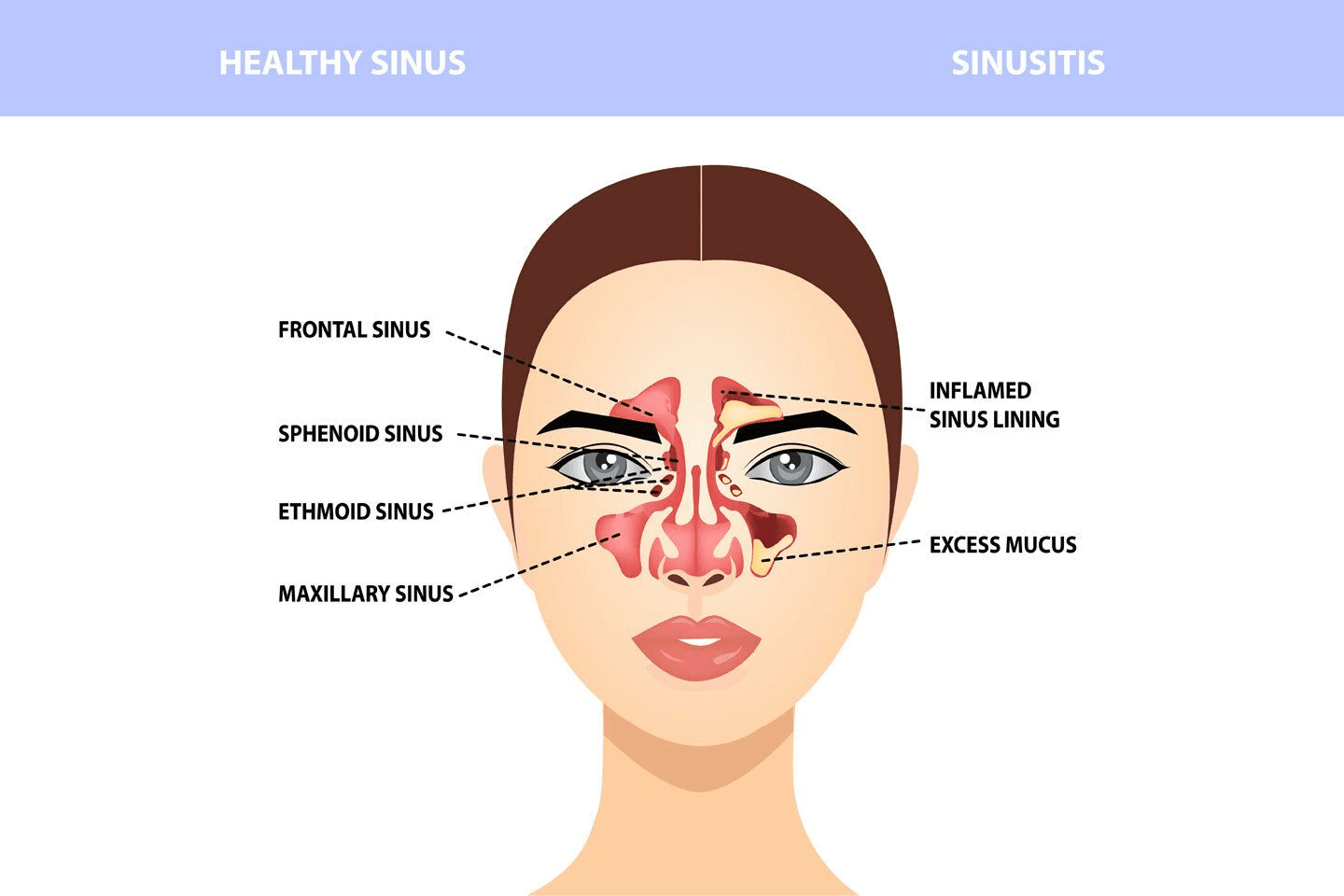
Olfactory sensory neurons (OSNs) line the inner portion of the nose. These receptor cells, located in the mucous membrane, detect odors and transmit signals to the olfactory regions of the brain. If OSNs become inflamed or damaged, they may send distorted information to the brain, resulting in altered smell perception such as Bad smelling mucus in nose. In some situations, the smell signal itself becomes blocked, preventing proper transmission between the nose and brain. Additionally, injury or disease affecting the brain can damage the olfactory bulbs, further impairing smell processing.
Cacosmia can develop for numerous reasons, and identifying the underlying cause is key to determining potential improvement.
Upper respiratory tract infection
Upper respiratory tract infections, including bronchitis, sinusitis, rhinitis, and sore throat, may inflame or injure the OSNs. When these sensory cells are compromised, distorted smell sensations can occur. Persistent nasal congestion or sinus inflammation may also contribute to complaints of Bad smelling mucus in nose during or after infection.
Head injury
Trauma to the head can damage the olfactory bulbs in the brain. Since these structures are responsible for identifying and differentiating smells, injury can lead to long-term or permanent alterations in smell perception.
Smoking
Smoking is strongly associated with cacosmia and other olfactory disorders. The toxic substances in cigarette smoke can directly injure OSNs. This damage may be temporary or permanent depending on duration and frequency of exposure. The longer these sensory cells are exposed to harmful chemicals, the more significant the impairment tends to become.
Chemical smoke
Exposure to smoke from harmful chemicals or acids can similarly injure the OSNs. This type of exposure may result in distorted smell perception, including ongoing unpleasant odors.
Medication and cancer treatments
Certain medications can negatively impact the sense of smell, especially with prolonged antibiotic use. Radiation therapy for cancers of the head and neck may also damage sensory cells involved in olfaction, leading to persistent smell disturbances.
Sinus tumors
Cancer of the sinuses, as well as other tumors or abnormal growths, may interfere with normal smell pathways. Warning signs can include blockage on one side of the nose, progressive nasal congestion, facial pain, and noticeable changes in smell perception.
Neurological diseases
Conditions such as Alzheimer’s disease, Parkinson’s disease, schizophrenia, and epilepsy can affect the brain regions responsible for processing smells. In these cases, cacosmia may be one of several neurological symptoms.
Treatment options
Currently, there is no definitive cure for cacosmia. However, symptoms may improve over time, particularly if the underlying cause is reversible, such as infection-related inflammation or smoking. Managing contributing factors, improving nasal hygiene, and addressing sinus conditions may provide partial relief. Individuals experiencing persistent Bad smelling mucus in nose may benefit from exploring supportive care measures, including guidance on How to get rid of bad smell in nose naturally or strategies for How to get rid of smell stuck in nose as complementary approaches.
Researchers are actively investigating emerging therapies aimed at restoring olfactory function. Areas of study include reducing inflammation that damages sensory neurons, as well as exploring gene therapy and stem cell therapy to promote regeneration of olfactory tissue.
In severe cases where symptoms significantly affect quality of life, surgical removal of the olfactory bulbs may be considered. While this procedure can eliminate the unpleasant smell sensations, it also results in complete loss of the sense of smell. Surgical intervention may also be appropriate when tumors or structural blockages in the nose or sinuses obstruct the olfactory pathway.
Potential complications and associated conditions
The sense of smell plays a vital role in memory formation, environmental awareness, and enjoyment of food. When the olfactory pathway is disrupted, individuals may experience physical, emotional, and psychological effects. Persistent Bad smelling mucus in nose sensations can lead to decreased appetite, unintended weight changes, social withdrawal, and mood disturbances. In some cases, safety may be compromised if a person cannot accurately detect warning odors such as smoke or gas leaks.
Outlook
The prognosis for cacosmia largely depends on whether the underlying cause can be reversed. When nasal inflammation or infection is responsible, symptoms often resolve once the condition is properly treated. However, if the cause involves significant neurological damage or chronic disease, full recovery may not be achievable.
Some individuals notice gradual improvement over time as the olfactory system partially recovers. For those who continue to struggle with persistent symptoms, discussing advanced treatment options with a healthcare provider is recommended. Future surgical options may involve stimulating repair and regeneration of olfactory nerve cells using stem cells and skin grafts, offering potential hope for improved outcomes in selected cases.



















Leave a Reply
You must be logged in to post a comment.