How to Relieve Carpal Tunnel Pain at Home


- Key takeaways
- 1. Pause repetitive activities
- 2. Use wrist splints
- 3. Reduce forceful gripping
- 4. Avoid extreme wrist positions
- 5. Keep your hands warm
- 6. Do quick stretches
- 7. Elevate your hands and wrists when possible
- 8. Try over-the-counter pain relievers
- 9. Modify your work setup
- Medical treatments for carpal tunnel
- The bottom line
Key takeaways
- Carpal tunnel discomfort often improves on its own. Simple measures like elevating the wrists and using nonprescription pain relievers can ease milder cases.
- If symptoms persist or are intense, consult a physician. They can show you more targeted exercises and therapies to relax your hands and reduce symptoms.
- Early recognition and management are the best ways to avoid lasting nerve injury.
Do you notice tingling or numbness in your hands or forearms? Has that sensation lingered for months or grown worse over time? If so, you might be dealing with carpal tunnel syndrome (CTS).
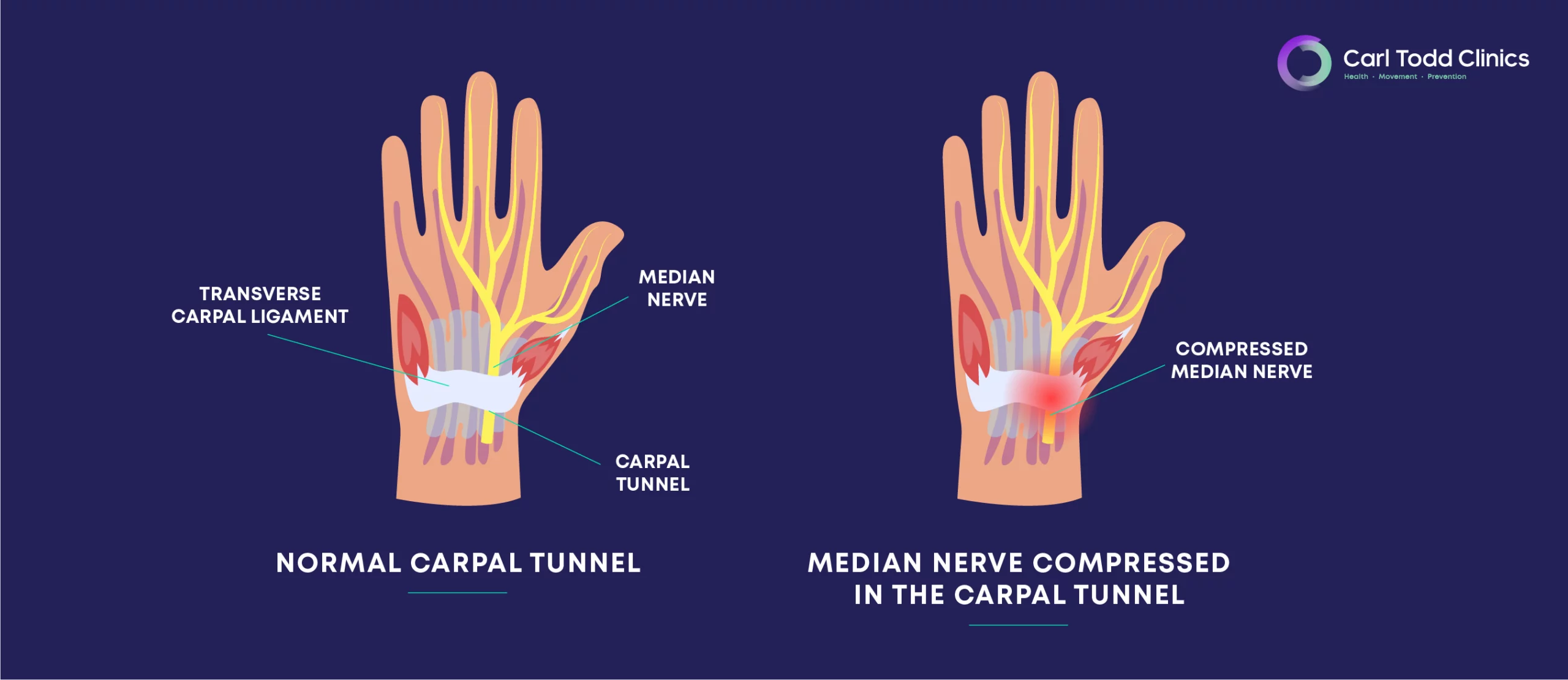
CTS occurs when a nerve in the wrist is compressed. Often, everyday activities are to blame — frequent use of vibrating tools, playing instruments, or manual labor can contribute. Whether typing or computer work causes CTS remains somewhat controversial.
Symptoms usually develop gradually. One or both hands can be affected. You may experience numbness or pins-and-needles in the fingers, especially the thumb and index finger. Weakness or an unpleasant feeling in the wrist is also common.
For mild CTS, lifestyle adjustments and medications you can buy without a prescription may ease symptoms. Below are nine home strategies to help relieve carpal tunnel:
1. Pause repetitive activities
Whether you’re typing, strumming a guitar, or operating a power tool, set a timer for about 15 minutes. When it rings, stop and wiggle your fingers. Stretching your hands and moving your wrists can boost circulation to the area.
2. Use wrist splints
Keeping your wrists in a neutral position reduces pressure on the median nerve. Symptoms often worsen at night, so wearing a splint in the evening might ease symptoms before sleep. If repetitive motions at work trigger your CTS, consider daytime splint use as well.

3. Reduce forceful gripping
If you find yourself squeezing hard to write, type, or use a cash register, ease up on your grip or cut down the force you use. Try a soft-grip pen or press keys more gently.
4. Avoid extreme wrist positions
Steer clear of activities that bend your wrists far forward or backward. Aim to keep your wrists as neutral as possible.
5. Keep your hands warm
Warmth can help relieve pain and stiffness. Consider wearing fingerless gloves or keeping portable warmers handy to maintain warmth in your hands and reduce discomfort.
6. Do quick stretches
You can perform simple wrist stretches while waiting in line or at your desk. For example, make a fist then slide your fingers straight out. Repeat five to 10 times. These movements can help ease pressure on the wrist.
7. Elevate your hands and wrists when possible
Raising your hands and wrists is particularly useful when CTS is related to pregnancy, fractures, or other causes of fluid retention that increase swelling .
8. Try over-the-counter pain relievers
OTC analgesics like aspirin (Bufferin) and ibuprofen (Advil) can help. They not only ease pain but may reduce inflammation around the nerve.
9. Modify your work setup
Carpal tunnel is frequently seen in people with manual occupations such as catering or cleaning. When feasible, make changes like lifting lighter loads or taking more frequent breaks.
If these approaches don’t relieve your symptoms, consider consulting a physical or occupational therapist. They can teach more advanced techniques to relax your hands and ease symptoms.
Medical treatments for carpal tunnel
More severe CTS cases warrant a visit to a healthcare professional.
They may suggest corticosteroid treatments to reduce pain and swelling. These drugs temporarily decrease swelling and pressure on the median nerve. Injections are usually more effective than oral steroids and may be especially helpful when CTS is linked to inflammatory disorders like rheumatoid arthritis.
A physician might also recommend surgery — carpal tunnel release — to lower pressure on the nerve. This option is generally reserved for persistent or recurrent symptoms that don’t respond to splints or steroid injections.
Surgery typically involves one or two small cuts near the affected area to divide the ligament compressing the nerve. This releases the nerve and creates more space around it.
The ligament heals over time, leaving more room for the nerve than before. In severe cases, surgery may not fully eliminate symptoms but should improve them and help prevent further nerve injury.

The bottom line
CTS can interfere with daily activities and cause discomfort. If you’ve had symptoms for a while, talk to a doctor about ways to reduce pain and pressure.
If home measures fail, explore other treatment options, including corticosteroid injections or surgery. Prompt diagnosis and management offer the best chance to prevent permanent nerve damage.
Frequently Asked Questions
Try wrist splints (especially at night), take frequent breaks from repetitive tasks, do gentle wrist stretches, keep hands warm, reduce forceful gripping, and use over-the-counter anti-inflammatories as needed.
Mild symptoms can improve within days to weeks with consistent measures like splinting and activity modification, but persistent or worsening symptoms should be evaluated by a healthcare professional.
Splints can reduce pressure on the median nerve and relieve symptoms for many people, potentially delaying or preventing surgery, but effectiveness varies and severe cases may still need medical intervention.
Yes—gentle tendon and nerve gliding exercises and simple wrist stretches (such as fist-to-straight-finger motions) are generally safe and can ease pressure when done without forcing movement.
See a doctor if numbness, tingling, or weakness persists, worsens, interferes with daily activities, or if you notice muscle wasting—early evaluation helps prevent long-term nerve damage.






Related Posts

Multiple Sclerosis vs. Fibromyalgia: Differences in Signs and Symptoms
Aug 25, 2026 • 15 min read
Seed Probiotics Review 2025: A Dietitian’s Take
Aug 24, 2026 • 9 min read
Stretches to Do at Work Every Day
Sep 21, 2026 • 23 min read
Celebrities Who Have Struggled with Alcohol Addiction
Oct 2, 2026 • 25 min read
Ultrasounds Aren't Typically Used to Detect Cervical Cancer: Learn Why
Aug 31, 2026 • 21 min read