
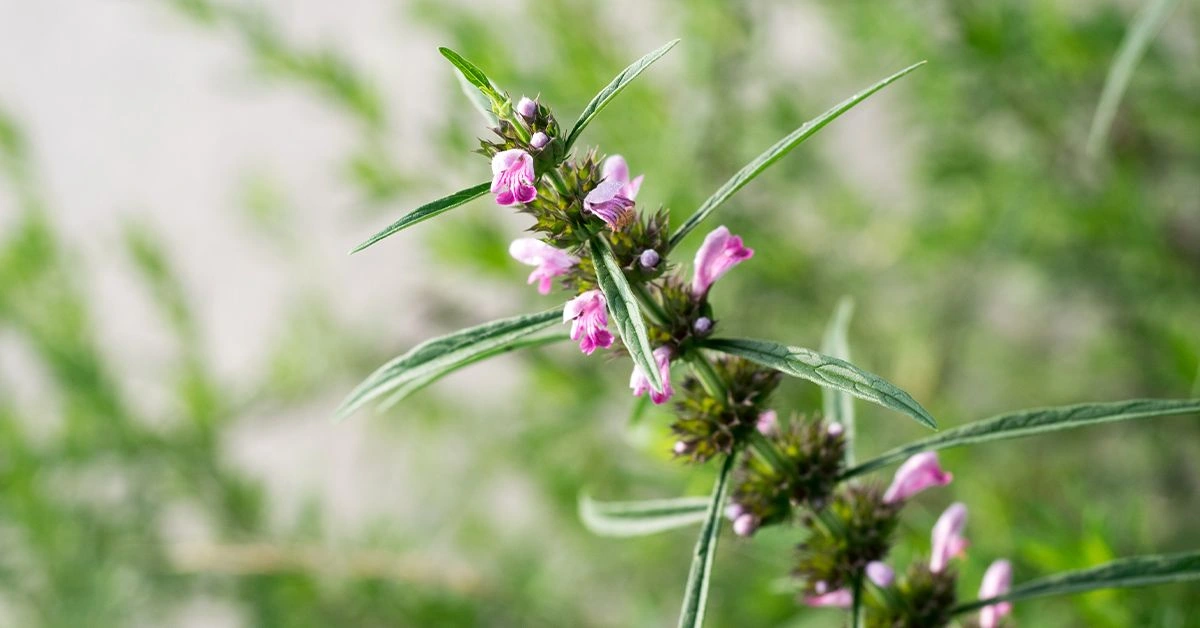
Also known as lion’s tail, motherwort has a long history in traditional herbal medicine for easing anxiety, supporting heart function, and more. That said, strong scientific proof for these uses is limited.
Used by the ancient Greeks to ease anxiety during labor, motherwort (Leonurus cardiaca) is a prickly shrub native to Asia and southeastern Europe. It’s commonly consumed as a tea or tincture for its putative therapeutic effects.
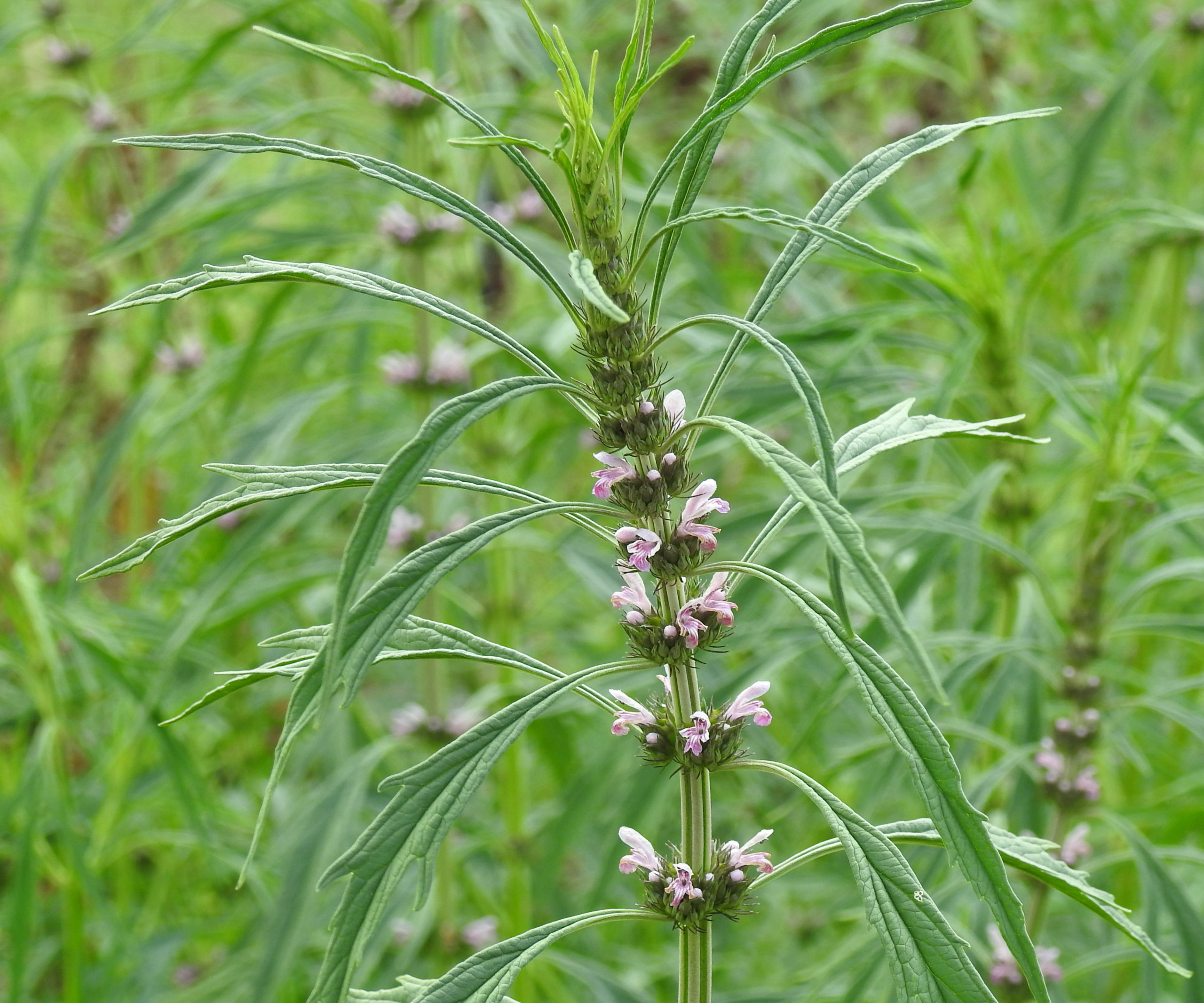
Although various herbal traditions attribute numerous health benefits to motherwort, robust clinical evidence is sparse. There are also possible adverse effects to consider.
Possible advantages of motherwort
Motherwort has been employed for centuries to address heart complaints, nervousness, and irregular menstrual cycles.
While many traditional claims remain untested in humans, initial studies hint that the plant may offer some health-promoting qualities.
Antioxidant activity
Motherwort contains a variety of phytochemicals with antioxidant activity, such as flavonoids, sterols, triterpenes, and tannins. Antioxidants help shield cells from harm caused by reactive molecules called free radicals.
Although a 2019 review suggests motherwort’s antioxidant effects may be useful, more research is required to determine its true efficacy and appropriate applications.
May ease anxiety
One traditional application of motherwort is calming rapid or irregular heartbeat linked to stress or anxiety.
A 2021 animal study reported that an extract of motherwort containing certain amino acids reduced anxiety-like behavior in animals.
In older in vitro and animal work, motherwort extracts displayed antiarrhythmic actions, indicating potential to lower an elevated heart rate. These effects, however, have not been replicated in human trials.
Despite limited human data, some European authorities approve motherwort for supporting cardiac health and for use in conditions like hyperthyroidism, stress, and anxiety.
Other potential uses
Although evidence is preliminary, motherwort might provide additional benefits, including:
- Decreasing postpartum bleeding: Early 2019 research indicates that combining motherwort with oxytocin may lower the risk of heavy postpartum bleeding compared with oxytocin alone.
- Alleviating anxiety and depressive symptoms: Small-scale animal research from 2017 observed reduced signs of anxiety and depression in rats after administration of motherwort or its constituent leonurine.
Potential adverse effects
Human studies on motherwort are limited, so its safety profile and side effects are not completely defined.
Based on 2019 findings, possible adverse effects from consuming too much motherwort include:
- diarrhea
- uterine bleeding
- abdominal pain
Because motherwort can influence heart rate and rhythm, it should be avoided by people taking cardiac medications unless advised otherwise by a clinician. If you’re considering it, consult your doctor first.
The herb has demonstrated interactions with the anticoagulant warfarin; do not take motherwort if you use blood thinners unless directed by your healthcare provider.
Given the scarcity of safety data and its possible ability to stimulate uterine contractions, pregnant or breastfeeding individuals are generally advised to avoid motherwort.
Recommended dosing
Because human research is limited, there’s no universally accepted dosage for motherwort.
The European Medicines Agency suggests keeping powdered extract intake below 3 grams per day to reduce the risk of side effects.
Motherwort is available as loose-leaf tea, tinctures, and capsules.
When brewed as a tea, motherwort is often blended with honey, ginger, lemon, sugar, or other strong flavors to counter its bitter taste.
Bottom line
Motherwort is a traditional herb used for millennia by people seeking possible benefits for heart health and anxiety.
However, clinical evidence for its safety and effectiveness in humans is limited. Further well-designed studies are necessary before it can be confidently recommended for therapeutic use.
If you’re thinking about trying motherwort, discuss it with a healthcare professional first.



















Leave a Reply
You must be logged in to post a comment.