Can Taking Prometrium Vaginally Prevent Miscarriage?


Overview
Progesterone is often called the “pregnancy hormone.” Without sufficient progesterone, a woman’s body can’t sustain the growth of a fertilized egg.
If you’re trying to conceive, your healthcare provider may suggest progesterone therapy. These treatments can help support an early pregnancy. They may also be advised if you’ve had previous miscarriages or require hormonal assistance during in vitro fertilization (IVF) and other assisted reproduction procedures.
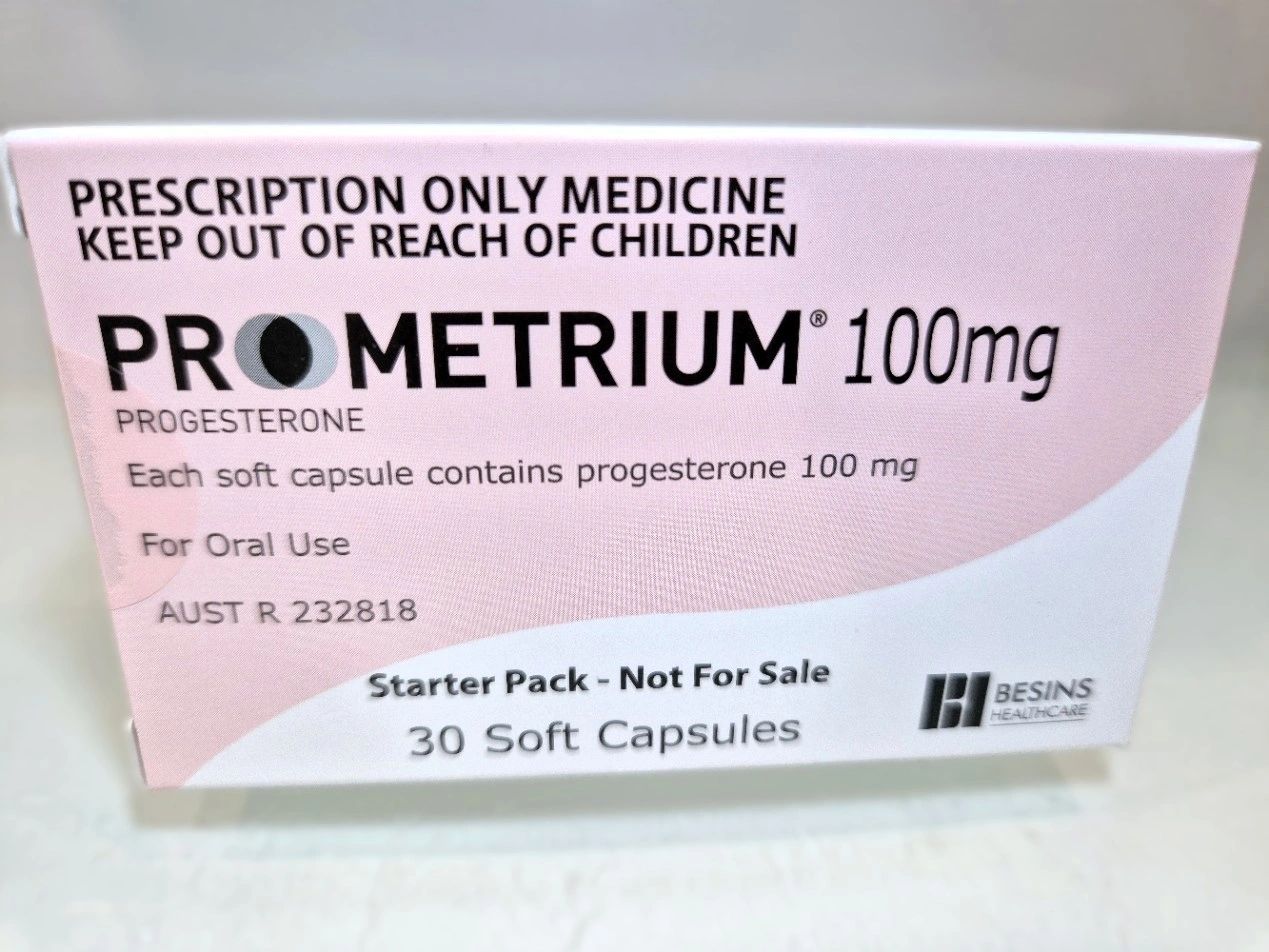
One available option is Prometrium. This drug is a form of progesterone. It’s FDA-approved in oral capsule form, though some clinicians recommend using it vaginally.
What is progesterone?
Progesterone helps establish and sustain pregnancy. During the luteal phase of your menstrual cycle, progesterone levels rise.
The hormone thickens the uterine lining, making it more suitable for implantation of a fertilized egg. If the lining is too thin, implantation may not occur.
When pregnancy begins, the corpus luteum (the empty follicle) secretes progesterone in early gestation. This continues until the placenta assumes production. Elevated progesterone levels also suppress ovulation and contribute to development of milk-producing tissue.
After roughly 8 to 10 weeks of pregnancy, the placenta increasingly generates progesterone. Because of this transition, progesterone supplementation is often a temporary measure intended to lower miscarriage risk during early pregnancy.
Given progesterone’s essential role in pregnancy, low progesterone levels have been linked with miscarriage. While it isn’t the sole cause, research suggests progesterone may be a contributing factor.
The World Health Organization notes that physicians in some countries, such as Vietnam, France, and Italy, frequently prescribe progesterone to help prevent miscarriage.
What is Prometrium?
Prometrium is a brand name for a group of hormones classified as progestins. Prometrium is a bioidentical hormone, meaning its chemical structure closely resembles the progesterone a woman naturally produces.
Prometrium is derived from yams. Although typically dispensed as oral capsules, some practitioners prescribe it off-label for vaginal application. The FDA has not approved Prometrium for vaginal use.
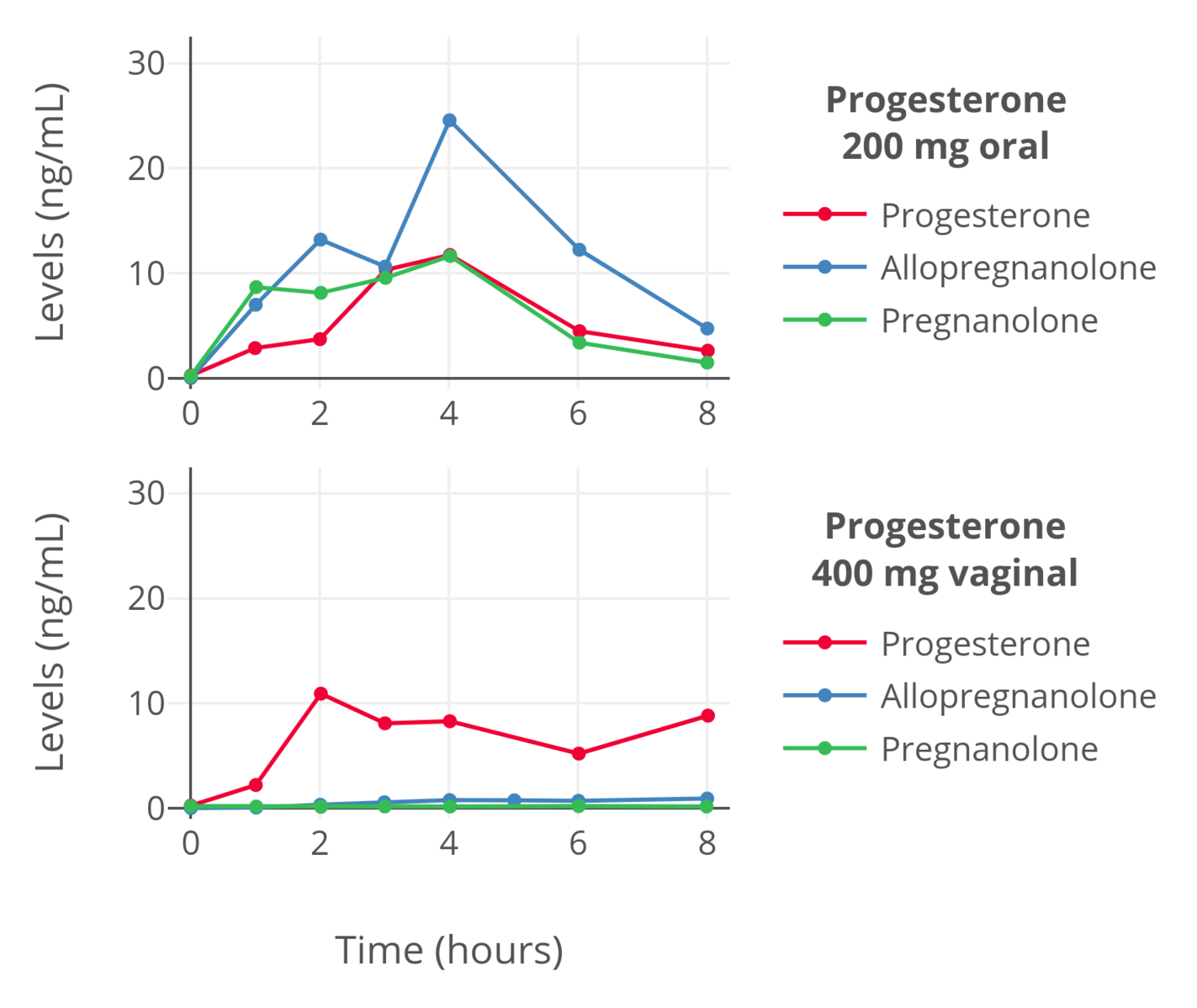
According to the National Infertility Association, vaginal administration tends to produce fewer systemic side effects compared with oral dosing.
Clinicians may recommend vaginal Prometrium to increase local progesterone levels in the uterus with the aim of supporting an early pregnancy. For some patients, alternatives such as vaginal bleaching are unrelated cosmetic options discussed in gynecologic care, but they do not affect progesterone therapy decisions.
Prometrium and miscarriage
There’s limited direct research specifically linking Prometrium to miscarriage outcomes, but several studies have examined the effects of vaginal progesterone.
A trial reported in Ultrasound in Obstetrics & Gynecology found that pregnant women in the mid-trimester with a short cervix who used a vaginal progesterone gel were less likely to deliver prematurely and experienced fewer neonatal complications compared with those who did not use the gel.
The study followed 458 women who had a shortened cervix and were at increased risk for preterm birth. Those who applied a progesterone gel saw a 45 percent reduction in preterm delivery before 33 weeks.
However, the World Health Organization (WHO) Reproductive Health Library reported that evidence for vaginal progesterone’s effectiveness was inconclusive, calling for further research into the relationship between progesterone supplementation and miscarriage prevention.
Warning:Do not use progesterone vaginally if you are already pregnant, unless it is prescribed as part of your fertility treatment plan.
Risks of vaginal prometrium
Certain medical histories make Prometrium inappropriate, whether used vaginally or by other routes.
These include:
- prior stroke
- history of breast or uterine malignancy
- unexplained abnormal vaginal bleeding
- liver or kidney disease
Vaginal progesterone has been associated with increased risks of:
- venous thromboembolism (blood clots)
- stroke
- myocardial infarction (heart attack)
- breast cancer
If you have a personal history of these conditions or worries about vaginal progesterone, discuss alternatives with your provider. Prometrium can also interact with other medications.
Side effects
Common side effects reported with vaginal Prometrium include:
- breast soreness or tenderness
- changes in vaginal discharge
- drowsiness and fatigue
- headache
- mood swings, including irritability or increased anxiety
- pelvic discomfort and cramping
- swelling of the hands or feet
Many of these symptoms overlap with normal pregnancy-related changes, which can make distinguishing side effects from pregnancy signs challenging.
Considerations
Applying Prometrium vaginally is thought to raise progesterone concentration in the uterine lining, which may benefit those aiming to reduce miscarriage risk by improving endometrial receptivity. The main objective is to enhance the thickness and quality of the uterine lining.
When administered orally or by injection, progesterone levels in the bloodstream tend to increase more markedly. Vaginal administration often results in lower systemic progesterone concentrations—this is expected and typically not concerning because the therapeutic goal is greater progesterone exposure within the uterus rather than the circulation.
Per InVia Fertility, vaginal progesterone can be as effective as progesterone injections. An advantage for many patients is avoiding painful injections and the potential allergic reactions related to the oil vehicle used in some injectable formulations.
The takeaway
Using Prometrium or other forms of progesterone does not guarantee prevention of miscarriage. However, for certain patients, progesterone supplementation has been demonstrated to lower miscarriage risk and may improve the chances of a viable pregnancy.
Frequently Asked Questions
Some studies suggest vaginal progesterone can lower miscarriage risk for select patients, but evidence is mixed and Prometrium vaginal use is off-label. Discuss with your provider.
No. Prometrium is FDA-approved as an oral capsule; vaginal administration is an off-label practice some clinicians recommend for targeted uterine support.
Reported side effects include breast tenderness, vaginal discharge changes, drowsiness, headache, mood swings, pelvic cramping, and swelling of hands or feet.
People with a history of stroke, breast or uterine cancer, unexplained vaginal bleeding, liver or kidney disease, or certain clotting risks should avoid vaginal progesterone unless advised by a specialist.
Vaginal administration tends to raise uterine progesterone with lower systemic levels, often causing fewer systemic side effects and avoiding injections, but effectiveness varies by indication.






Related Posts

Yoga for Endometriosis: Try These Stretches to Relieve Pain
Sep 18, 2026 • 4 min read
What Are Licorice Root's Benefits and Downsides?
Aug 31, 2026 • 26 min read
White Mushrooms: Nutrition, Benefits, and Uses
Aug 29, 2026 • 34 min read
Does Evening Primrose Oil Safely Induce Labor?
Aug 16, 2026 • 3 min read
How to Use Vaginal Suppositories: A Step-by-Step Guide
Aug 19, 2026 • 34 min read