Cavity Filling Timeline and Recovery


- How long does it take to get a filling?
- How long does a filling take for a child?
- What are the different types of fillings?
- Current innovations
- Which fillings are covered by insurance or Medicare?
- What to expect during the procedure
- How long does it take for a filling to set?
- How long does it take to heal after a filling?
- How long does a filling take to stop hurting?
- How long do fillings last?
- How do you know if you need a filling?
- The takeaway
Generally, receiving a dental filling takes less than an hour. You may notice some sensitivity afterward.
A filling is one of the most frequently performed dental treatments. It’s essentially a restoration to repair damage caused by tooth decay. Most of the time it’s a relatively painless appointment that lasts around an hour.
Cavities are very widespread. The World Health Organization reports that untreated dental caries are the most prevalent oral condition globally, affecting about 2 billion people with permanent teeth (adults).
A filling stops further decay and restores the tooth’s normal function.
Keep reading to find out what to expect if you need a filling, common filling materials, and how long it takes for a filling to set and for the tooth to recover.
How long does it take to get a filling?
Typically, a filling appointment lasts an hour or less. A straightforward filling can be completed in as little as 20 minutes. Many dental practices now have the capability to fabricate onlays and inlays in a single visit, but a larger restoration or multiple fillings will require more time.
Also, depending on which materials are chosen, the process may take longer or need a return appointment. For example:
- Composite resin placed in layers into the tooth takes more chair time but is usually finished in a single visit.
- Some composite restorations are created from an impression — this approach requires a second appointment to bond the completed restoration.
- Gold or porcelain restorations (inlays or onlays) can be done in one visit only if the clinic has the necessary milling or lab equipment. Otherwise, multiple visits are required: the first appointment removes decay and records an impression, which is sent to a lab to fabricate the restoration; the second visit bonds the finished piece to your tooth.
Replacing an existing filling generally takes about the same time as the initial restoration. It might take a bit longer if the old material must be removed. The clinician will clear away the decay and the old filling, then place the new material.
How long does a filling take for a child?
Childhood cavities are common even with good hygiene and a balanced diet. The Centers for Disease Control and Prevention (CDC) notes that 1 in 5 children aged 5 to 11 has at least one untreated cavity.
Fillings for kids typically require the same amount of time as for adults, with a few extra considerations.
Young children — particularly those under 5 — may need anesthesia if they cannot stay still for about 20 minutes. This can lengthen the start of the appointment and include a short recovery period before discharge. Nitrous oxide (laughing gas) is another safe option to help children remain calm during the procedure.
Talk to your dentist about any special needs your child might have. A pediatric dentist can give a clear estimate of how long the appointment will take.
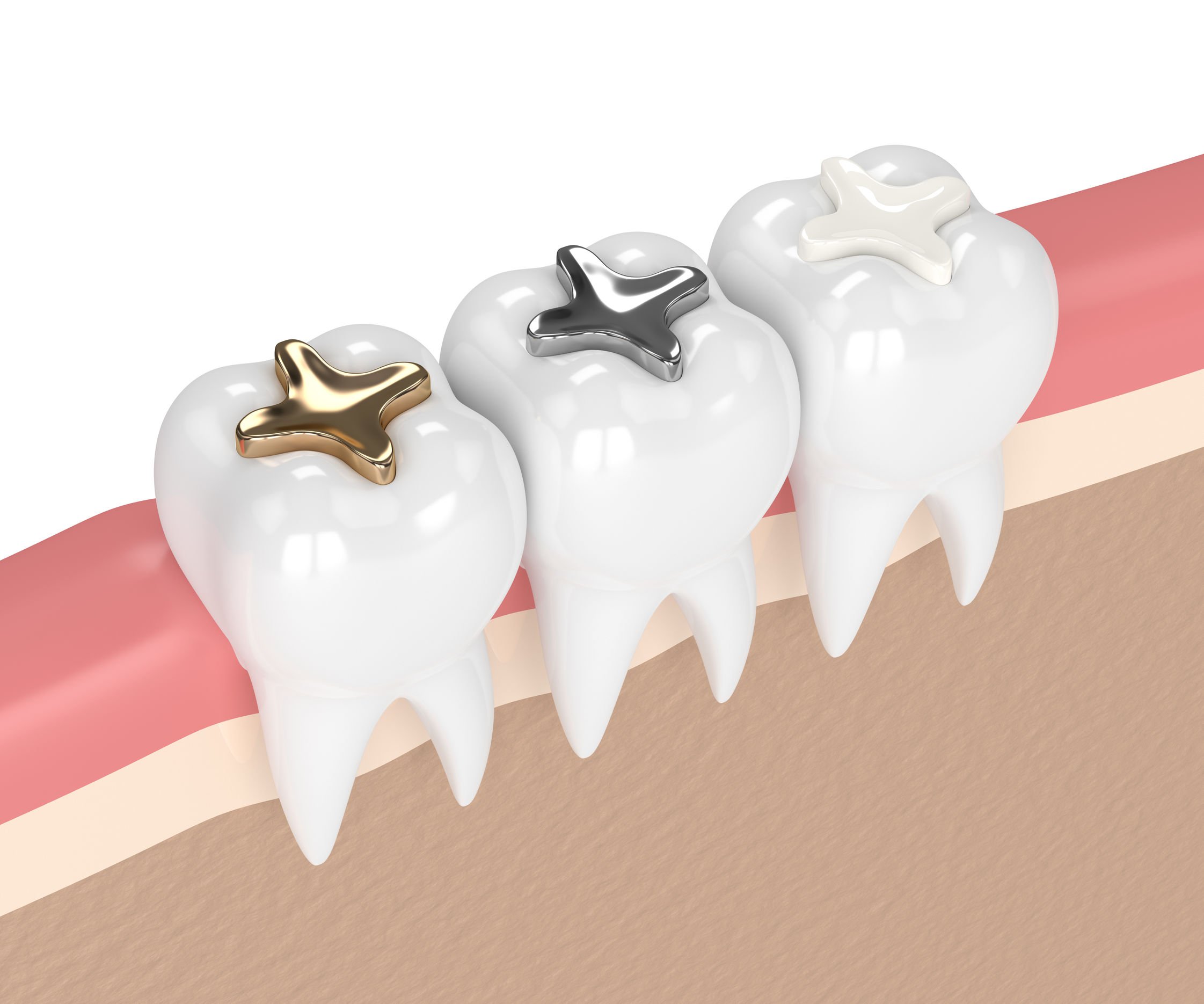
What are the different types of fillings?
Your dentist will explain the available materials that can restore your tooth. The American Dental Association (ADA) lists some commonly used options:

- Silver-colored fillings. These are metal amalgams — a blend of mercury, silver, tin, and copper. Amalgam is more durable than tooth-colored options and is usually less costly, according to the ADA. Some people worry about mercury, but the ADA has not found clinical evidence that amalgam fillings are harmful. That said, their use is declining.
- Tooth-colored fillings (composites). These are a mixture of glass or quartz particles and acrylic resin. They’re durable and usually cost a bit more than metal amalgams, per the ADA.
- Gold fillings. Made from gold, copper, and other metals, gold restorations are very long-lasting but more expensive and not tooth-colored. They’re typically fabricated in a lab from an impression taken by the dentist.
- Glass ionomer fillings. These tooth-colored restorations are made of acrylic and fluoride-containing glass. They’re not as strong as composites but release fluoride, which may help prevent further decay. They’re often used in children’s teeth and tend to be pricier than amalgams.
- Porcelain fillings. These restorations cost roughly as much as gold but appear more natural. They’re created in a lab after an impression is taken.
Current innovations
According to Kenneth Rothschild, DDS, a general dentist with four decades of experience, composite plastics have performed better over recent decades due to improved strength, color matching, and durability.
“Composites may be used not only for fillings in visible front areas but also on back teeth like molars and bicuspids,” he noted.
Which fillings are covered by insurance or Medicare?
Standard health insurance rarely pays for fillings. Without dedicated dental coverage, you’ll likely pay out of pocket; costs typically range from $100 to $500 depending on the material and how many tooth surfaces are restored.
If you have dental insurance, you may pay a percentage-based copay or a fixed copay for fillings. Some dental plans fully cover certain types of fillings.
Original Medicare (Parts A and B) generally only covers dental care when it’s part of a covered medical procedure and some dental exams, per the Centers for Medicare & Medicaid Services . Routine fillings are not covered by traditional Medicare.
You can buy a Medicare supplement or separate dental plan to reduce out-of-pocket costs. Some supplemental plans provide comprehensive dental benefits, potentially eliminating costs for fillings.
What to expect during the procedure
Fillings are typically straightforward:
- The dentist will examine your mouth and use instruments to assess the cavity. They may take an X-ray to determine the extent of decay.
- A local anesthetic is usually given to numb the area and prevent pain. If the decay is only superficial, anesthesia might not be necessary.
- Once numb, the dentist typically uses a drill to remove decayed enamel. Some clinicians may use a laser or an air abrasion tool , though these methods are less common.
- The area is cleaned and prepared, then the filling is placed. Certain materials are hardened with a blue-wavelength curing light.
- Finally, the dentist polishes the restoration and checks that your bite feels correct.
After the anesthesia wears off, your tooth may feel mildly tender or sensitive, but severe pain is uncommon. Avoid very hot or cold foods and beverages for 1–2 days. For the most part, you can resume normal eating. If you’re wondering about immediate eating, see guidance on can you eat after a filling.
How long does it take for a filling to set?
The setting time depends on the chosen material. Rothschild explains:
- Amalgam fillings harden partially within an hour and reach full strength after about 24 hours. With amalgam, avoid very hard foods until the restoration is fully set.
- Composite and glass ionomer restorations are typically light-cured in thin layers of 1–2 millimeters, with each layer taking roughly 2 to 20 seconds to cure.
- Ceramic restorations set instantly when the bonding agent is light-cured. Rothschild notes: “It’s already milled or fired, and the bonding adhesive that secures it cures in seconds.”
If appointment length is a concern, tell your dentist so they can suggest the most suitable material and approach.
How long does it take to heal after a filling?
Most fillings heal quickly without complications. After the anesthetic wears off, the tooth may feel sensitive for a short time, usually resolving within a day or so.
“Metal restorations, like amalgam and gold, sometimes cause short-term cold sensitivity for a few days or even weeks,” Rothschild said. “This is less common but still possible with bonded composite or glass ionomer fillings.”
Ways to reduce sensitivity include:
- chewing on the opposite side for a couple of days
- brushing and flossing more gently around the filled tooth
- avoiding very hot or cold foods and drinks
- steering clear of acidic foods
- using a desensitizing toothpaste
- taking a nonsteroidal anti-inflammatory if needed
Contact your dentist if your bite feels uneven or if pain or sensitivity persists. The dentist may need to adjust the filling to improve your bite.
How long does a filling take to stop hurting?
After treatment, any lingering discomfort should fade gradually. You may feel a dull ache at the procedure site for several hours after leaving the dental office.
It can take 2 to 7 hours for anesthesia to completely wear off. During this time you might experience a pins-and-needles sensation as nerve function returns.
If pain is bothersome, an over-the-counter pain reliever like ibuprofen can help. Applying gentle heat or a cold pack to the jaw externally may reduce swelling and ease discomfort.
Avoid acidic, cold, or sticky foods for the rest of the day to help the restoration seal properly and prevent ongoing irritation.
How long do fillings last?
Longevity of a filling depends partly on oral hygiene. Good dental care can prolong a restoration’s life and reduce the risk of recurrent decay. Lifespan also varies by material.
Everyone’s teeth and habits differ, so these are general estimates:
- amalgam fillings: 5 to 25 years
- composite fillings: 5 to 15 years
- gold fillings: 15 to 20 years
For more on typical lifespans and care, see how long do fillings last.
How do you know if you need a filling?
Regular dental exams help detect cavities early. Treating decay early usually leads to better outcomes and less invasive treatment. Regular checkups are a worthwhile investment.
Common signs of a cavity include:
- sensitivity to hot or cold
- sensitivity to sugary foods and drinks
- a persistent toothache
- a visible hole or pit in a tooth
- a white spot or darker discoloration on a tooth
If you think you might have a cavity, see your dentist. They’ll determine whether a filling or another treatment is needed.
The takeaway
Fillings are very common and usually uncomplicated. A routine filling generally takes about an hour for a standard case.
Discuss the advantages and disadvantages of available materials with your dentist so you know how to care for the restoration and what to expect. If you have dental insurance, verify which materials are covered since more expensive options may not be included.
With consistent oral hygiene, fillings can last many years.
Frequently Asked Questions
Most routine fillings take about 20–60 minutes. Simpler fillings may be finished in 20–30 minutes, while larger or multiple restorations can take closer to an hour or more.
Setting time depends on the material: amalgam partially hardens within an hour and fully sets in about 24 hours, while composite and glass ionomer are light-cured in seconds to minutes per layer.
With composites and ceramics cured during the visit, you can typically eat once numbness wears off. For amalgam, avoid very hard foods for about 24 hours until it reaches full strength.
Sensitivity often fades within a few days to a couple of weeks. Mild tenderness is common after anesthesia wears off; persistent or worsening pain should be checked by your dentist.
Procedure time is similar, though appointments may be longer if extra steps are needed to keep a young child calm (eg, anesthesia, behavior management) or if a pediatric specialist is involved.
Read Next

What Should I Do About a Molar Broken Off at the Gum Line

The 9 Best Mouthwashes For Whitening, Cavities, Gums, Breath, and More

What You Need to Know About Snap-In Dentures

Everything You Need to Know About Fever Blister Remedies, Causes, and More

How Long Will I Have to Sit in the Dentist Chair During a Root Canal?

Debunking the Myth of Tooth Worms and Other Cavity Causes
Related Posts

What Are the Effects of Thumb Sucking on the Teeth and Mouth?
Aug 11, 2026 • 27 min read
What Exactly Is a Tooth Piercing?
Sep 11, 2026 • 7 min read
How to Remove Nicotine Stains from Your Teeth
Aug 14, 2026 • 12 min read
Hyperdontia: Do I Need to Have My Extra Teeth Removed?
Aug 1, 2026 • 36 min read
How Regularly Should You Get Your Teeth Cleaned?
Aug 2, 2026 • 32 min read