

Skin-care habits and lifestyle adjustments can help diminish the appearance of fine lines beneath your eyes.

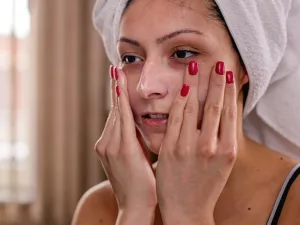
Noticing creases around your eyes?
As we get older, our skin loses elasticity. External influences, such as sun damage and heredity, affect when wrinkles and fine lines begin to show on the face.
The tissue around the eyes often reveals aging sooner than other areas because the skin beneath the eye (the periorbital hollow) is thin and contains visible blood vessels.
Lines under the eyes are a common sign of aging. Still, there are preventive strategies and home treatments you can use to address them if you wish.
Whether it’s a reliable skin-care routine, how often you wash your hair, or makeup choices you’re considering, beauty is subjective.
That’s why we consult a wide range of writers, educators, and specialists to offer guidance on topics from application techniques to the best sheet masks for your needs.
We recommend only what we genuinely support, so if a product or brand link appears, understand it has been carefully vetted by our team.
What causes under-eye lines and wrinkles
The primary reason for fine lines and wrinkles around the eyes is simply aging. Other avoidable contributors can include:
- UV exposure
- tobacco use
- repetitive facial movements
- environmental stressors
UV exposure
Ultraviolet (UV) radiation degrades collagen in the skin. Collagen is the principal protein in skin tissue and is crucial for maintaining facial structure over time.
UV rays come from unprotected sun exposure and tanning beds. The Food and Drug Administration (FDA) states that unprotected UV exposure accelerates the development of leathery skin and wrinkles.
Smoking
Smoking increases oxidative stress on the skin, harming collagen and elastin and leading to wrinkles.
It also narrows facial blood vessels, reducing circulation and depriving skin of nutrients like vitamin A.
Repetitive movements and facial expressions
Repeated facial movements—smiling, frowning, squinting—can create fine lines over time.
Even sleep positions can contribute to creases if the same facial muscles press against a pillow nightly. As skin ages, it loses the ability to spring back.
Studies suggest that sleeping with your face pressed into a pillow may promote lines under the eyes.
Environmental stressors
Dry climates, wind, and pollution can also play a role in forming fine lines and wrinkles beneath the eyes.
Ways to reduce under-eye lines at home
Certain home treatments, lifestyle shifts, and topical products may help lessen the look of fine lines under your eyes.
Consider these lifestyle measures:
- practicing facial exercises
- managing allergies
- eating a nutrient-rich diet
- limiting sun exposure
- cutting back or quitting smoking
- getting adequate sleep
- using silk, satin, or copper pillowcases
Useful skin-care steps include:
- gentle exfoliation
- regular moisturizing
- avoiding harsh formulations
- facial massage and using rollers
Beneficial ingredients to look for:
- topical vitamin C
- retinoids
- coenzyme Q10 (CoQ10)
- peptides
- topical probiotics
- hyaluronic acid
Facial exercises to firm the skin
Some facial exercises—often called “face yoga”—are anecdotally reported to tighten skin beneath the eyes.
While there’s little robust research, these exercises aren’t thought to be harmful.
You might also try facial massage techniques, gua sha, or face rollers.
Address allergy symptoms
Allergies frequently cause inflammation and watery eyes. Rubbing or scratching due to allergy irritation can redden the eyes and dry the surrounding skin.
Controlling allergy symptoms can make your face appear less tense and help protect the under-eye skin over time.
Gently exfoliate
Light exfoliation of dry skin under the eyes can encourage cell turnover. Use only formulas designed for gentle exfoliation and massage them carefully into the under-eye area.
Protect your eyes, tooYour eyes are very sensitive to strong chemicals. Avoid using products not formulated for the eye area to prevent blurred vision or other damage.
Use an eye cream to moisturize
Insufficient moisture can accentuate fine lines around the eyes. Seek moisturizers rich in components that promote circulation and cell renewal.
Ingredients such as retinol (a vitamin A derivative), peptides, and hyaluronic acid are supported by research and esthetician recommendations.
Cooling gels and serums formulated for the under-eye area may be most effective for combating fine lines.
Eyes, face, or body lotion?Remember that using your regular facial moisturizer under the eyes might irritate them. Body lotions are often too thick for the delicate under-eye skin and can cause irritation.
Avoid UV exposure — wear sunscreen and a hat
Protecting your skin from UV rays can help prevent new fine lines. Wear an SPF of at least 30 whenever you’re outdoors, even on cloudy days.
When spending long periods in direct sunlight, shield your eyes with sunglasses and a hat. Broad-brimmed hats, visors, and sunglasses also reduce squinting, a repeated motion that can form wrinkles.
Maintain a balanced diet
Vitamins C, A, and E are common in skin-care formulations. Eating foods rich in these nutrients supports healthy cell formation in your skin and the rest of your body.
Some research suggests a balanced diet is linked to firmer skin. Add colorful citrus, carrots, and pumpkin to increase these vitamins.
Topical vitamin C
Topical vitamin C creams and serums can plump and hydrate the under-eye area, smoothing fine lines and wrinkles.
An older 2009 in vivo study reported that ascorbic acid helps skin retain moisture by reducing transepidermal water loss (TEWL).
Vitamin C also encourages collagen synthesis.
A 2020 ex vivo study of human skin explants found that a combination of vitamin C and squalane increased epidermal thickness and collagen III production, aiding elasticity and hydration.
Try Mad Hippie Vitamin C Serum or SkinCeuticals C E Ferulic.
Retinoids
Retinoids, derived from vitamin A, help diminish fine lines and surface wrinkles by neutralizing free radicals that degrade collagen and raising oxidative resilience.
A 2019 study showed retinoids lower TEWL, strengthen the skin’s barrier, and slow collagen and cell breakdown.
Try Absolute JOI Skin Refining Night Oil or Murad Retinol Youth Renewal Night Cream.
Coenzyme Q10
Coenzyme Q10 (CoQ10) is an effective ingredient that may lessen wrinkles and fine lines.
In a randomized, double-blind, placebo-controlled 2020 trial, women aged 40 to 65 who used a product containing CoQ10 and collagen for 12 weeks experienced improved skin density, fewer facial and eye wrinkles, and smoother skin.
Try Body Merry Super C-22 Moisturizer or Eucerin Q10 Anti-Wrinkle Face Creme.
Peptides
Peptides are amino-acid fragments that help build proteins required by the skin. They’re another ingredient that supports collagen.
Unlike large collagen molecules, peptides penetrate the skin more easily. Once absorbed, they improve elasticity, strengthen the skin barrier, and reduce wrinkles.
Peptides pair well with vitamin C and are found in products like Drunk Elephant Protini Polypeptide Cream and Mario Badescu Super Peptide Serum.
Topical probiotics
Probiotics and gut health have gained attention, and topical probiotics are now being explored for skin benefits.
A 2015 study reported certain probiotics increase skin ceramide production, lipids that help retain moisture.
A 2016 study highlighted anti-aging benefits of topical probiotics, including:
- restoring skin pH
- reducing oxidative damage
- lessening photoaging
- improving barrier function
Try Biossance Squalane + Probiotic Gel Moisturizer.
Hyaluronic acid
Hyaluronic acid adds structure and plumpness to skin. It can hold up to 1,000 times its weight in water, acting as a humectant that retains moisture on the skin’s surface.
A 2014 study found topical low-molecular-weight nano-hyaluronic acid reduced wrinkle depth, increased hydration and elasticity, and penetrated better than similar formulations.
Try Hada Labo Gokujun Hyaluronic Lotion or The Ordinary’s Hyaluronic Acid 2% + B5.
DIY options
Some grocery-store ingredients may help reduce fine lines and wrinkles.
A 2015 study found aloe vera gel reduced wrinkle appearance and added collagen and hydration when applied to skin.
A 2016 study showed a cream made from egg membrane decreased wrinkle depth, protected against free radicals, and increased collagen in 20 women aged 45 to 65 over eight weeks.
Cosmetic procedures to lessen under-eye lines
There are clinical treatments and in-office procedures to address under-eye fine lines and wrinkles, including:
- chemical peels
- dermal fillers
- microdermabrasion
- laser treatments
- microneedling
- Botox
These procedures should be performed by a dermatologist or licensed aesthetic practitioner.
If you’re worried about under-eye lines and don’t have a dermatologist, you can search for local providers through the Anthem FindCare tool.
Chemical peels
Chemical peels remove dead skin cells to encourage new cell turnover. They can improve the look of fine lines but aren’t effective for deep wrinkles or significant skin laxity.
Fillers
Dermal fillers are injected beneath or around the eyes to add volume and create a plumper appearance. Results are temporary, usually lasting from about 6 months up to 2 years.
Popular options include Restylane and Juvéderm.
Microdermabrasion
Microdermabrasion is a minimally invasive exfoliation treatment. A diamond-tip tool is often used on delicate areas like the under-eye region.
This procedure removes dull, dead cells and boosts circulation where pressure is applied.
Lasers
Laser therapies are increasingly used to treat under-eye lines. Various laser types exist; fractional lasers, for example, create microscopic channels in the skin to stimulate collagen and elastin production.
Microneedling
Microneedling involves using fine needles to create controlled micro-injuries. These can be followed by topical serums or creams. As the skin repairs itself, collagen production increases, improving fine lines and skin texture.
Botox
Small Botox injections into targeted muscles under the eyes can relax the area and lessen the appearance of wrinkles.
The American Academy of Dermatology (AAD) notes most people notice results within 3 to 7 days and see a significant reduction in wrinkle appearance for about 3 to 4 months.
Bottom line
Fine lines and wrinkles under the eyes are a normal part of aging.
While skin-care products, UV protection, and healthy habits may prevent or reduce their appearance, you may not be able to avoid them completely.
For tailored advice about this sensitive area, consult a physician or dermatologist.




















Leave a Reply
You must be logged in to post a comment.