
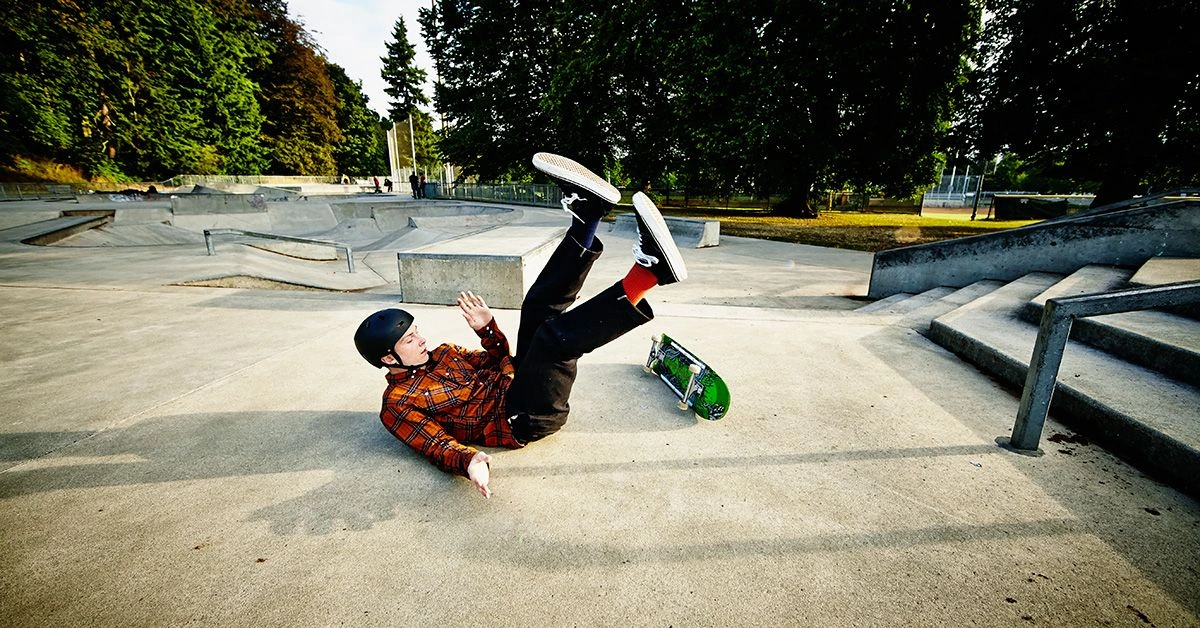
Bruises, also known as contusions, on the buttocks are fairly common. This usually minor trauma occurs when something or someone strikes the skin surface with force, damaging muscle, tiny blood vessels called capillaries, and other connective tissues beneath the skin.

These kinds of bruises are especially frequent if you take part in sports that can literally leave you on your backside, such as:
- football
- soccer
- hockey
- baseball
- rugby
You can also develop them easily if you:
- plop down too hard
- receive a forceful hit to the butt from someone’s hand or another object
- back into a wall or piece of furniture
- get an injection with a large needle in the buttock
Like many other bruises, these aren’t usually serious. Over the course of your life you’ll likely get bruises in various places, some of which may leave you wondering, How did that happen?
But when is a bruise simply a bruise, and when should you consult your doctor? Let’s take a closer look.
Symptoms
The most obvious sign of a bruise is a tender or sore spot that’s reddish, bluish, or yellowish, with a distinct edge separating it from the surrounding skin.
Bleeding from damaged capillaries is what gives most bruises their red-blue color. If muscle or other tissue is injured, you’ll often have extra tenderness or pain when touching the area.
Most of the time these are the only symptoms and the bruise will resolve on its own within days. Larger or more severe bruises that span a wide area can take longer to heal, especially if the area continues to be re-injured.
Other potential symptoms include:
- firmness, swelling, or a lump of collected blood beneath the bruised area
- mild aching when walking or putting pressure on the bruised buttock
- tightness or pain when moving the nearby hip joint
Usually, these signs don’t require a doctor’s visit, but if you suspect the bruise might indicate a more serious injury or condition, see your physician for an evaluation.
Diagnosis
Contact your doctor promptly if you’re worried about a bruise or its symptoms after an injury.
In most situations a bruise is not alarming, but if symptoms fail to improve within a few days or grow worse, you may need urgent medical assessment.
Your clinician will start with a comprehensive physical exam of your body, paying particular attention to the bruised region to check for signs of more significant damage.
If your provider suspects injury to tissues around the bruise, they may order imaging studies to examine the area more closely, such as:
- X-ray. Useful for identifying broken bones or damaged joints.
- Ultrasound. Helps detect muscle injuries, for example a tear with hematoma formation.
- MRI. Offers detailed, three-dimensional images of the lower back and pelvis, especially when hip or lower back problems involving nerves, like spinal nerve compression, are suspected.
- CT scan. Can help identify injuries in the gluteal region and pelvis.
Treatments
A standard buttock bruise is usually simple to treat. Begin with the RICE approach to limit pain and swelling:
- Rest.Stop the activity that caused the bruise, such as sports, to prevent further bruising or additional strain to damaged muscles or tissues. If feasible, wear padding over the buttock to avoid more violent impacts.
- Ice.Make a cold pack by wrapping ice or a frozen bag of vegetables in a clean towel and gently apply it to the bruise for 20 minutes.
- Compression.Use a bandage, medical tape, or clean wrap snugly but comfortably around the bruised area.
- Elevation.Lift the injured area above heart level to discourage blood pooling. This step is optional for a buttock bruise.
Repeat this routine several times daily, 20 minutes per session, until pain and swelling subside. Change any dressings at least once a day, for example when you bathe.
Other ways to manage a bruise and its symptoms include:
- Take pain relievers.Nonsteroidal anti-inflammatory drugs (NSAIDs) like ibuprofen (Advil) can help ease discomfort.
- Use heat.Apply a warm compress after the initial pain and swelling have reduced.
- Gentle stretching or massage.These can restore full range of motion and ease lingering soreness.
- Stay off your feet.Rest until bruising, pain, and swelling lessen, especially if you suspect muscle or joint injury.
Some complications from a serious buttock bruise or related injury may need more than home care and require medical intervention, such as:
- surgical drainage of accumulated blood in a hematoma or relief of pressure from fluid buildup due to compartment syndrome
- surgical removal of bone tissue that has grown into muscle as a result of myositis ossificans
When to see a doctor
Seek immediate medical attention if you have any of the following:
- numbness or loss of feeling in your buttocks or in one or both legs
- partial or complete loss of the ability to move your hips or legs
- inability to put weight on your legs
- intense or sharp pain in your buttocks, hips, or legs, whether at rest or with movement
- profuse external bleeding
- abdominal pain or discomfort, especially if accompanied by nausea or vomiting
- a purplish skin spot (purpura) that appears without an injury
Follow your doctor’s guidance about when to resume sports or other physical activities after a significant bruise or buttock injury. Returning too soon can lead to further harm, particularly if muscles or other tissues haven’t fully recovered.
Prevention
Take these steps to lower the chance of buttock bruises and related injuries:
- Use protection.Wear padding or other protective equipment when participating in sports or activities that might result in falls onto your buttocks.
- Be cautious during activity.Avoid risky moves during play or exercise when there’s nothing to cushion a fall, such as ground padding.
The bottom line
Buttock bruises are usually not serious. Small, minor bruises tend to fade within a few days on their own, while larger ones may require a couple of weeks or more to fully resolve.
Consult your doctor promptly if you observe concerning signs such as numbness, tingling, loss of motion or sensation, or if symptoms fail to improve on their own. Your provider can identify any injury or underlying condition affecting the bruise.























Leave a Reply
You must be logged in to post a comment.