
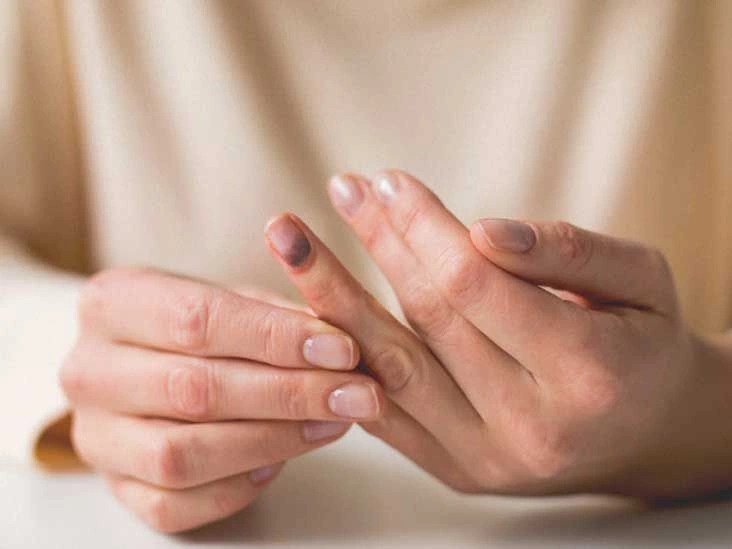
A smashed finger is a form of digital trauma. You may notice intense pain, bruising, stiffness, or altered sensation. Most cases improve naturally with rest, ice, and basic pain management.
If you’ve ever caught a finger in a door or struck it with a tool, you’re familiar with typical smashed finger symptoms. Any blunt force to the finger can result in:
- intense finger pain, often described as aching or throbbing
- inflammation (pain, redness, and swelling)
- limited movement of the fingertip
- reduced sensation at the fingertip
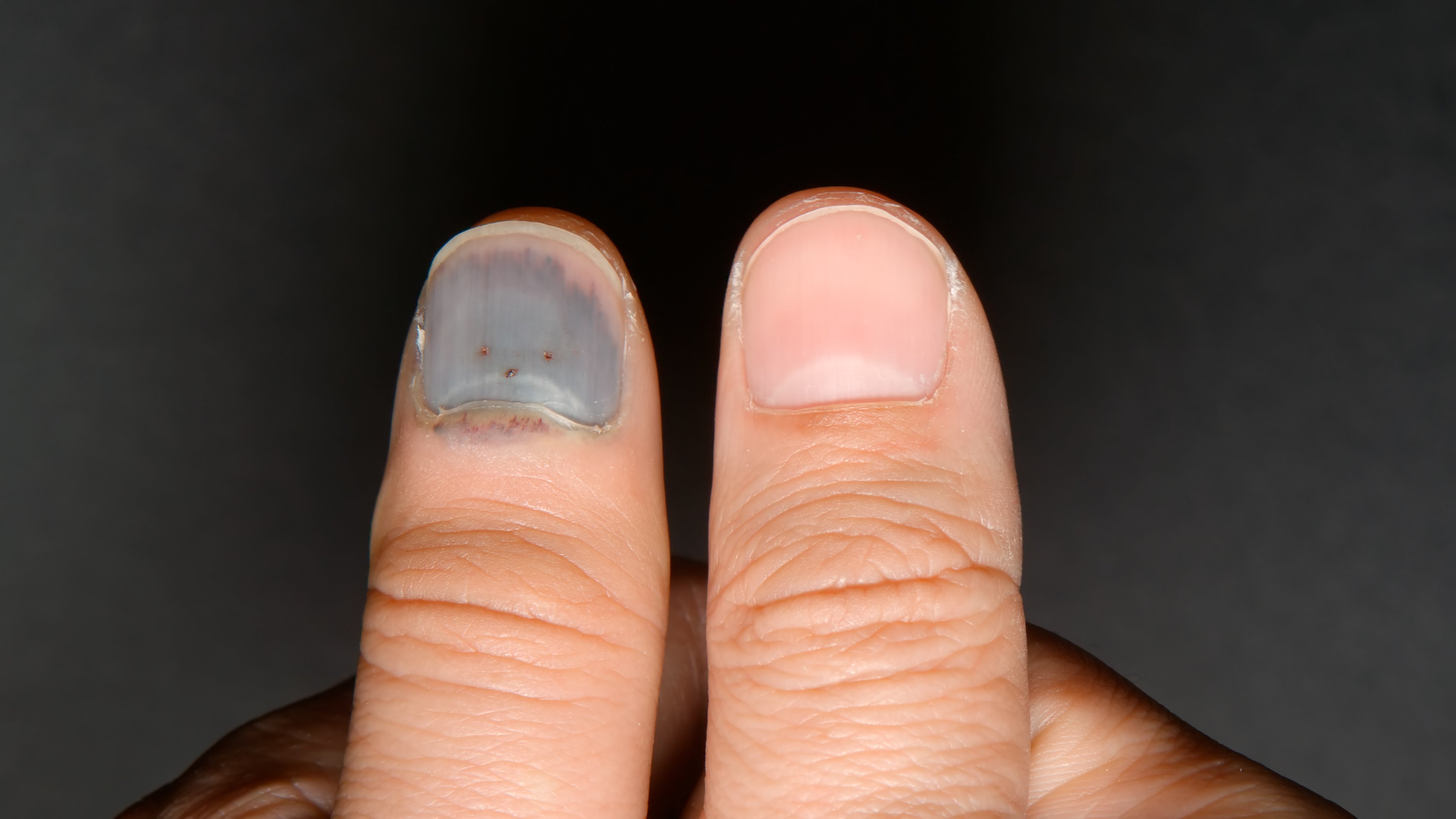
- bruising and discoloration of the skin and nail
- stiffness in the finger
The nail on the injured finger might also detach within a week or two after the injury.
Continue reading to learn how to manage a smashed finger and when to get medical care.
Immediate relief
The most effective immediate strategy for a smashed finger is to address inflammation. Inflammation drives the majority of pain, swelling, and discoloration.
Practical measures to treat a smashed finger include:
Stop and evaluate
After injuring your finger, halt activity to avoid worsening the damage.
Although it may hurt, calmly examine the injury to decide whether medical attention is needed. Mild injuries often heal without intervention, but seek help if bleeding persists or you suspect a fracture.
Clean and dress open wounds
If the nail or skin is torn, gently wash the area with soap and water or an antiseptic rinse. Then protect it with sterile gauze or a bandage.
Wounds should be cleaned and fresh dressings applied at least twice daily.
Do not splint or brace a wounded finger unless you’ve consulted your healthcare provider.
Apply ice
Cold therapy helps limit bleeding and can prevent a subungual blood blister beneath the nail.
Gently place ice wrapped in a towel or cloth on the injured finger for up to 20-minute intervals, multiple times each day. Avoid direct skin contact with ice.
To keep weight off the injury, rest the finger on a covered ice pack or compress.
Elevate
Raising the injured finger above heart level decreases blood flow to the area. This helps reduce swelling and lessens throbbing discomfort.
Use over-the-counter pain relief
Nonprescription anti-inflammatory and pain medications like ibuprofen (Advil, Motrin), acetaminophen (Tylenol), or aspirin can lessen swelling and pain.
After cleaning, OTC antibiotic ointments or creams may be applied to help lower infection risk.
Topical analgesics and herbal remedies can also ease inflammation and soreness. Arnica, for instance, may reduce swelling and help bruises heal faster.
Make sure you can move your finger
While rest aids healing, try to gently move the finger when possible without aggravating pain.
If you are unable to move the finger, get medical evaluation.
Long-term treatment and recovery
Rest, ice, elevation, wound care, and OTC pain relief form the cornerstone of treatment for a smashed finger. Symptoms typically begin to lessen after a few days of basic care.
A tender bruise may form once the initial swelling subsides. Depending on the injury’s site and severity, you might experience throbbing, aching, or numbness.
As pain and swelling improve, gradually work on stretching and using the injured finger. Avoid activities that significantly increase pain.
Light massage around the injury can speed recovery by promoting circulation. It may also help disperse clotted blood and damaged tissue.
How long recovery takes varies with the injury’s severity and location. Most smashed fingers feel markedly better within three to four days, while more complex injuries can take several weeks or longer to fully resolve.
Treating a bruised fingernail
A bruise under the nail can create pressure and discomfort.
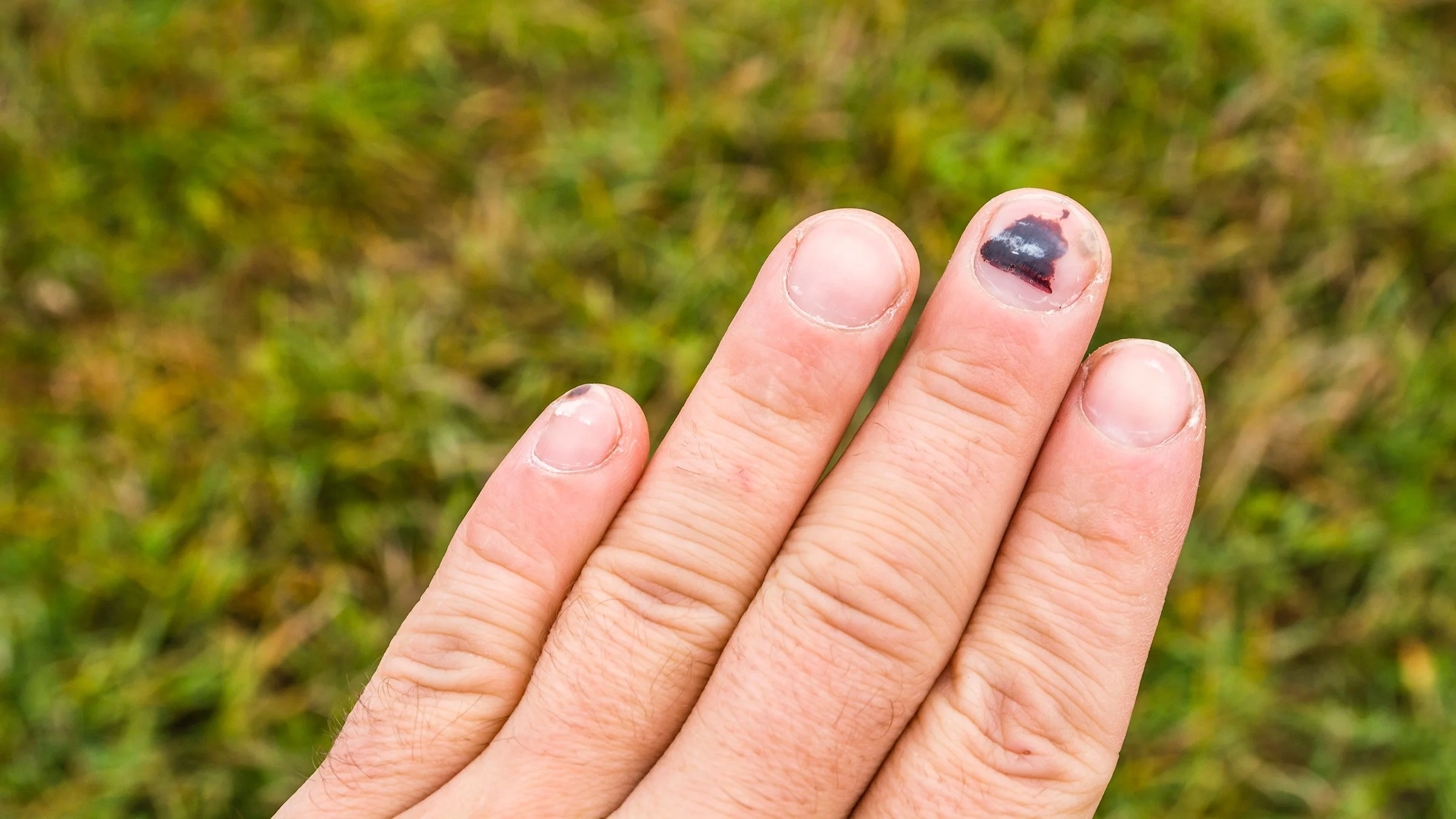
When pressure becomes intense, the nail may detach. In many situations the nail remains, but discoloration is visible at the injury site.
The bruise can persist for several months until the affected nail portion grows out.
If there’s considerable damage to the nail base, uncontrollable bleeding, or intense pressure, contact your doctor.
What to avoid
During healing, avoid activities that increase pain or put heavy strain on the fingers. It may take a few weeks before returning to contact sports or strenuous manual tasks is safe.
Don’t try to remove a damaged nail yourself, and do not wrap, splint, or brace the finger without professional advice.
When to seek help
Talk with a healthcare professional if your smashed finger causes severe pain or involves more than just the fingertip. You should also see medical care if:
- you cannot straighten the finger
- the finger appears bent or deformed
- you have a deep laceration that may need stitches
- the fingernail bed, finger joints, knuckle, palm, or wrist are also injured
- symptoms such as pain and swelling are not improving
If you suspect a more complex issue like a broken digit or tendon injury, or need further guidance about a sprained finger, seek evaluation promptly.
The takeaway
A smashed finger is a frequent injury caused by blunt trauma to the digit. It can produce pain, stiffness, swelling, and bruising.
Elevation, icing, keeping the area clean, and using OTC pain relief are generally the most effective at-home treatments. Most smashed fingers begin to improve after a few days of self-care.
Get medical attention if you have a deep wound needing stitches, suspect a fracture, or if symptoms fail to improve with basic treatment.

















Leave a Reply
You must be logged in to post a comment.