
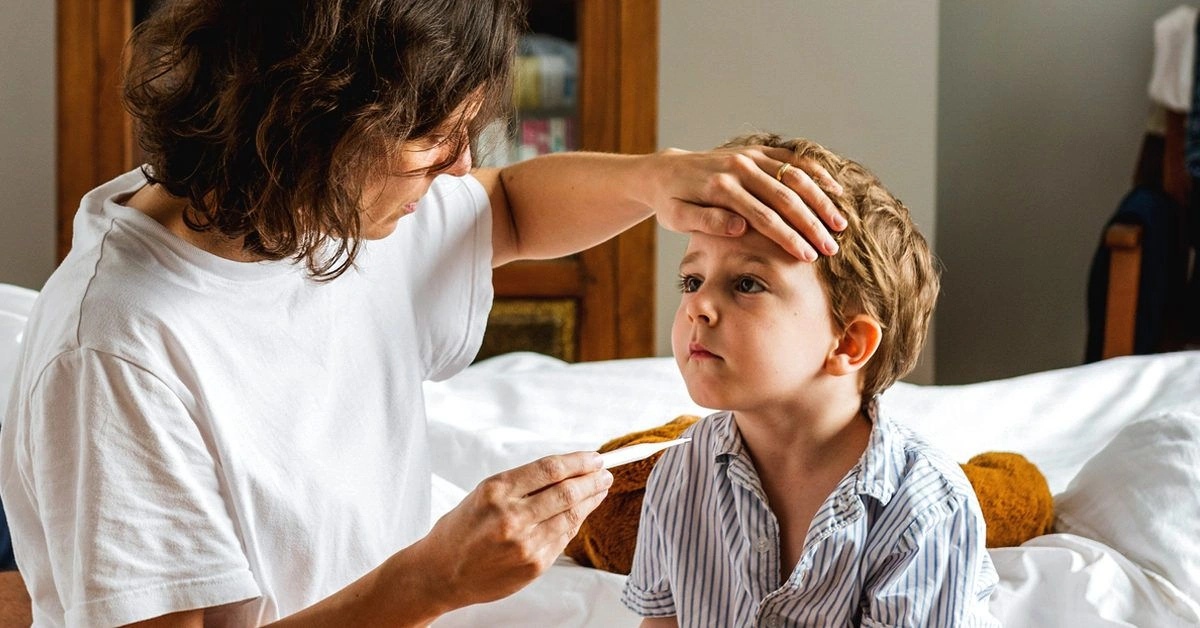
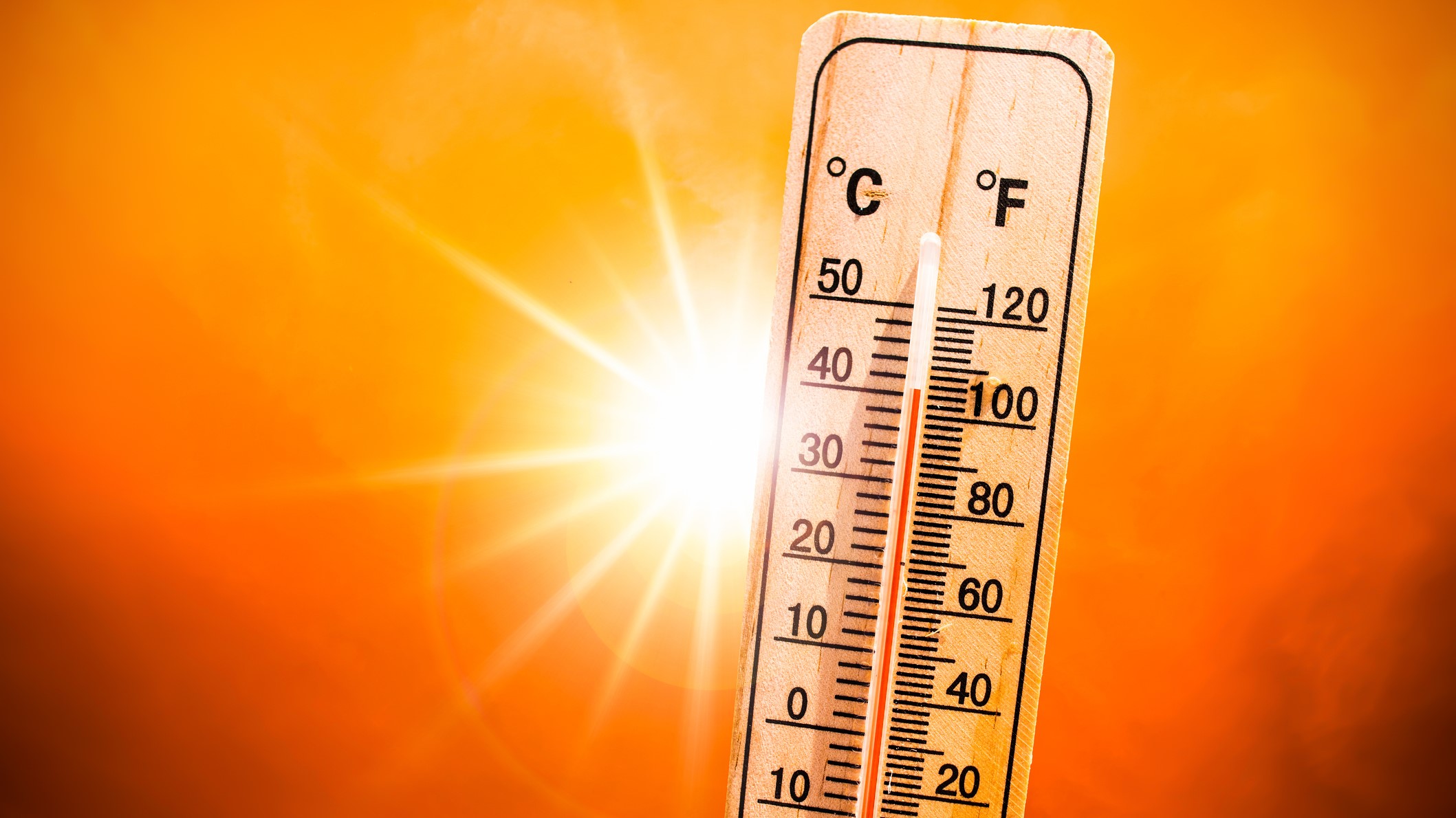
Many people wonder, Is 30 degrees Celsius hot or cold? In terms of weather, 30°C (86°F) is generally considered hot for most individuals, especially in humid climates. However, when discussing human health, body temperature is a different matter entirely. A normal internal body temperature averages around 98.6°F (37°C), and even small deviations can signal important changes in the body.
Fevers typically resolve on their own within a few days. In the meantime, using appropriate medications, drinking adequate fluids, and prioritizing rest can ease discomfort. In certain cases—such as very high fevers or in infants younger than 3 months—medical evaluation is essential.
A fever occurs when your body temperature rises above its usual baseline. While 98.6°F (37°C) is considered the average, your normal temperature may run slightly higher or lower. It also naturally fluctuates throughout the day depending on age, activity level, and time of day, often peaking in the late afternoon.
When your temperature increases beyond your normal range, it commonly indicates that your immune system is responding to an infection. In most situations, this is a natural and beneficial defense mechanism rather than an immediate cause for concern.
The following temperature measurements generally define a fever:
- Adults and children: 100.4°F (38°C) (oral)
- Babies (under 1 year): 99°F (37.2°C) (armpit) or 100.4°F (38°C) (rectal)
Continue reading to better understand fever symptoms, treatment options, and when professional medical care is necessary.
What are the symptoms of a fever?
Fever-related symptoms can vary in intensity but often include the following:
- chills
- muscle aches and generalized body pains
- headache
- sweating or flushed skin
- reduced appetite
- dehydration
- fatigue or low energy
Some individuals may also experience irritability, mild confusion, or difficulty concentrating, particularly when temperatures rise quickly.
Febrile seizures in children
Children between 6 months and 5 years old may experience febrile seizures during episodes of high fever. Approximately one-third of children who have one febrile seizure will have another. Fortunately, most children outgrow febrile seizures without long-term complications.
Witnessing a febrile seizure can be alarming for parents or caregivers. If your child experiences one, take the following steps:
- Gently place your child on their side on a safe surface.
- Do not put anything in your child’s mouth.
- Seek immediate medical attention if you suspect your child is having or has had a febrile seizure.
Low-grade vs. high-grade fevers
A low-grade fever in adults and children refers to a temperature slightly above normal, typically ranging from 98.8°F (37.1°C) to 100.3°F (38°C). These mild elevations often accompany minor viral infections and may not require aggressive treatment.
High-grade fevers warrant closer attention. For adults, this means an oral temperature of 103°F (39.4°C) or higher. For children older than 3 months, a rectal temperature of 102°F (38.9°C) or above is concerning.
If your infant is younger than 3 months and has a rectal temperature of 100.4°F (38°C) or higher, seek medical care immediately. In young infants, fever can sometimes be the only indication of a serious infection.
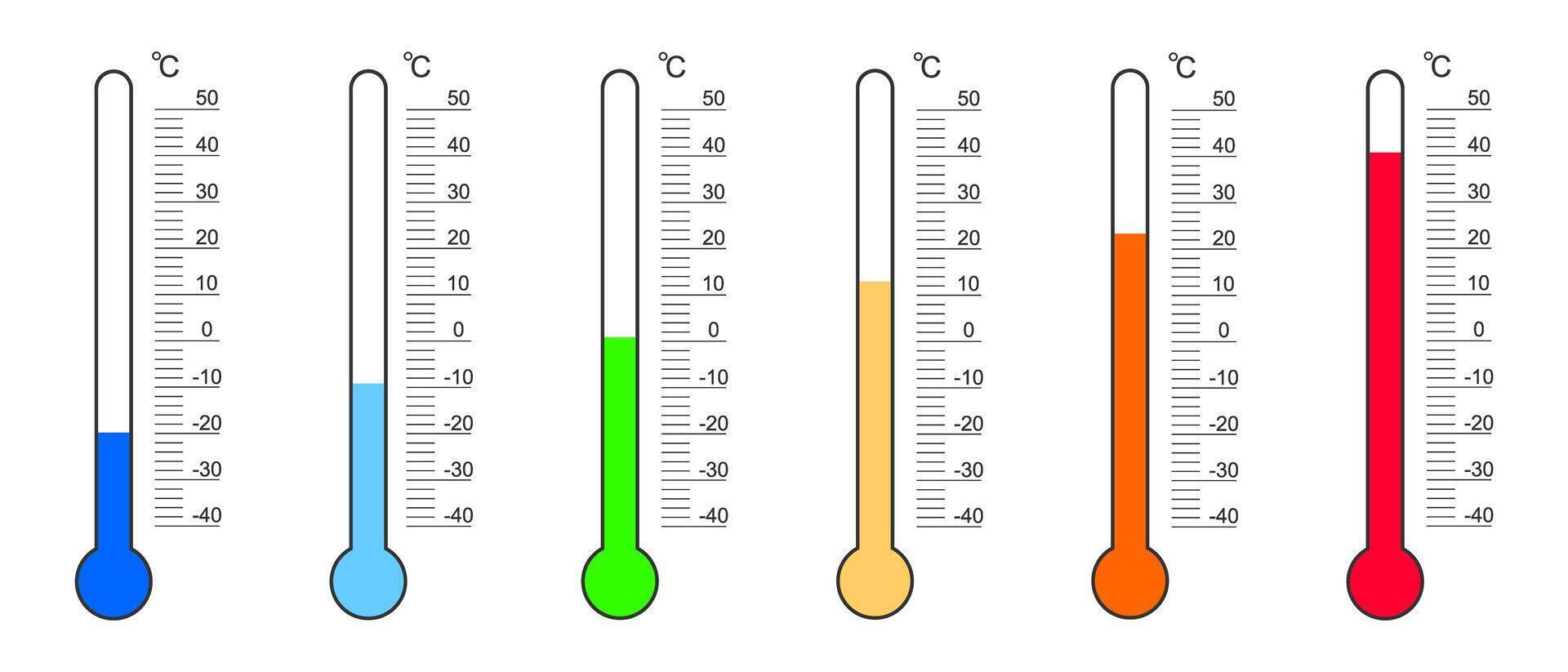
Understanding temperature differences can also help put numbers into perspective. For example, while people may debate Is 25 degrees Celsius hot or cold in terms of weather comfort, internal body temperature operates within a much narrower and more critical range. Even a rise of 1–2 degrees can have clinical significance.
When a fever breaks
When a fever subsides, your temperature returns to your typical baseline, often near 98.6°F (37°C). As this happens, you may notice increased sweating or flushed skin. This is part of the body’s natural cooling process as it reestablishes temperature balance.
How are fevers treated?
In adults and children
For mild or low-grade fevers, immediately lowering the temperature may not always be necessary. Fever can assist the immune system in combating infection. However, if the fever is high or causing significant discomfort, treatment may be appropriate.
- Over-the-counter (OTC) medications. Common choices include ibuprofen (Advil) and acetaminophen (Tylenol). These medications help reduce fever and relieve aches and pains. Always follow dosing instructions carefully, especially for children.
- Antibiotics. If a bacterial infection is responsible for the fever, your doctor may prescribe antibiotics. These medications are ineffective against viral infections.
- Adequate hydration. Fever increases fluid loss and may lead to dehydration. Drink water, clear broths, or diluted juices regularly. Oral rehydration solutions such as Pedialyte may be appropriate for young children.
- Cooling measures. Wear lightweight clothing, maintain a comfortably cool room temperature, and use light bedding. A lukewarm bath can help lower body temperature gently. Avoid cold baths or ice packs, as shivering can raise internal temperature further.
- Rest. Physical activity can elevate body temperature. Allow your body sufficient rest to recover and support immune function.
WarningChildren and anyone under the age of 18 should never take aspirin for an illness due to the risk of a rare but potentially fatal condition known as Reye’s syndrome.
In babies
If your baby has a rectal temperature of 100.4°F (38°C) or higher, seek medical care promptly. Do not administer OTC medications without first consulting your pediatrician for proper dosing and instructions.
In infants, fever may be the only visible symptom of a more serious medical condition. Hospital evaluation may include intravenous (IV) medications and careful monitoring until the child’s condition stabilizes.
When to seek help
In adults
Consult a healthcare professional if your fever is accompanied by any of the following symptoms:
- a fever of 103°F (39.4°C) or higher
- vomiting or diarrhea
- difficulty breathing
- chest pain
- severe headache
- skin rash
- abdominal pain
- painful urination
- a stiff neck or neck pain when bending forward
- confusion
- sensitivity to light
- dizziness or faintness
In children and babies
Seek medical attention for your child if they:
- are younger than 3 months old and have a rectal temperature of 100.4°F (38°C) or higher
- are over 3 months old and have a fever of 102°F (38.9°F) or higher
- are over 3 months old and the fever has lasted more than 2 days
Also contact a healthcare provider if your child with a fever experiences:
- difficulty breathing
- headache
- skin rash
- marked fatigue or lethargy
- persistent inconsolable crying
- stiff neck
- confusion
- poor appetite
- insufficient fluid intake resulting in fewer wet diapers
For those comparing temperature scales and wondering Is 25 degrees celsius hot or cold in fahrenheit, remember that even small changes in body temperature—unlike outdoor weather shifts—can significantly affect overall health and require close monitoring.
The takeaway
A fever means your body temperature is elevated above its normal range, often signaling that your immune system is actively fighting an infection. Most fevers resolve within a few days without complications.
Low-grade and mild fevers are generally manageable at home with OTC medications, proper hydration, and adequate rest. Paying attention to warning signs and monitoring temperature trends can help prevent complications.
However, any fever in an infant younger than 3 months, as well as high-grade fevers in adults or children, should be evaluated by a medical professional to ensure appropriate diagnosis and treatment.





















Leave a Reply
You must be logged in to post a comment.