

Extreme heat and extreme cold can both trigger serious health complications, ranging from mild discomfort to life-threatening emergencies. Taking preventive measures is essential, but it’s equally important to recognize early warning signs and understand how to respond effectively.
Spending time outdoors requires preparation for a variety of weather conditions — rainy afternoons, dry heat, sweltering midday sun, or frigid nighttime temperatures. Many people also wonder, Is 25 degrees celsius hot or cold in fahrenheit, especially when planning outdoor activities or travel. Knowing how temperature translates and how it affects the body can help you make safer choices.

The human body performs optimally at a temperature of 37ºC (98.6ºF), with slight variations occurring naturally throughout the day.
The hypothalamus, located in the lower central region of the brain, plays a crucial role in maintaining this internal balance. Through a process known as thermoregulation, the hypothalamus communicates with temperature receptors in the skin and internal organs, activating mechanisms that either cool or warm the body as needed.
Although the hypothalamus can adapt to a broad range of environmental conditions, it functions most efficiently when surrounding air temperatures fall between 20ºC to 25ºC (68ºF to 77ºF). If you’re unsure Is 25 degrees Celsius hot or cold, this range is generally considered comfortable for most people. In cooler conditions, adding clothing layers usually suffices. In warmer weather, fans or air conditioning can help preserve a safe core temperature.
However, when temperatures become extreme, the body’s natural regulatory systems may struggle to compensate quickly enough, increasing the risk of heat-related or cold-related illnesses.
Understanding potential health risks linked to temperature extremes — and how to prevent them — is critical for personal safety and community well-being.
How humidity affects your environment
A thermometer reading does not always reflect how hot or cold it actually feels. Relative humidity significantly influences perceived temperature, often referred to as the “heat index.”
- If the air temperature reads 85ºF (29ºC), but there’s no humidity, the heat index is 80ºF (27ºC)
- If the air temperature reads 85˚F (29˚C), with 80% humidity, the heat index is 97ºF (36ºC).
Wind speed also alters perception through what’s known as “apparent temperature.” These environmental factors help explain why 25ºC (77ºF) might feel pleasant on a dry day but oppressive in humid conditions — a common concern behind the question, Is 25 degrees celsius hot or cold in fahrenheit.
How extreme heat affects your body
Even when outdoor temperatures climb to 130ºF (54ºC), the body can initially preserve its internal temperature. However, dangerous effects occur well before reaching that point.
The National Weather Service warns that prolonged exposure or physical exertion in a heat index of 80ºF (27ºC) or above may lead to fatigue and calls for caution.
At a heat index of 90ºF (32ºC), the risk increases for:
- heatstroke
- heat cramps
- heat exhaustion
This danger escalates significantly at a heat index of 103ºF (39ºC), with heatstroke becoming likely at 125ºF (52ºC).
Additional heat-related conditions include:
- sunburn
- heat rash
- muscle cramps
- heat swelling
- fainting
For comparison, individuals asking Is 30 degrees Celsius hot or cold should note that 30ºC (86ºF), especially with humidity, can already strain thermoregulation during prolonged activity.
Symptoms of heat-related illnesses
Symptoms of heat-related illness vary based on severity and type.
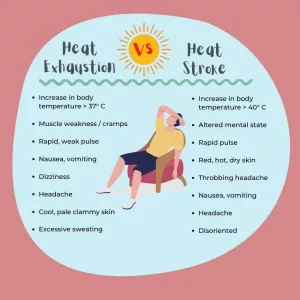
Common signs of heat exhaustion include:
- heavy sweating
- extreme tiredness
- dizziness or lightheadedness
- feeling faint when standing
- weak but rapid pulse
- nausea
- vomiting
Heatstroke symptoms may include:
- hot, discolored skin
- strong, rapid pulse
- loss of consciousness
- internal body temperature of 104ºF (40ºC) or higher
How to treat and manage extreme heat
If someone becomes unconscious or displays symptoms of heat exhaustion or heatstroke, call 911 or local emergency services immediately.
For heat exhaustion, cool the body using cold, damp cloths and take small sips of water gradually. Move to an air-conditioned or shaded environment and rest.
For heatstroke, use cold compresses or a cold bath to reduce body temperature and relocate to a cooler area immediately. Avoid giving fluids until medical professionals provide guidance.
How to prevent heat-related illnesses
Proper hydration is one of the most effective preventive measures. Consume enough fluids so urine appears light-colored or clear. Replace electrolytes after heavy sweating.
Dress appropriately for weather conditions. Lightweight, breathable fabrics help prevent overheating. Apply sunscreen to reduce sunburn risk, which can impair heat dissipation.
Limit outdoor activity during peak sunlight hours and seek shade when possible. According to the World Health Organization, shaded areas can make temperatures feel more than 10ºC (18ºF) cooler.
Avoid enclosed hot spaces like parked cars. Never leave children, pets, or vulnerable individuals unattended in vehicles.
Who’s at risk of heat-related illnesses?
People with an increased risk include:
- young children
- older adults
- pregnant people
- athletes
- outdoor workers
Additional risk factors include:
- chronic conditions, such as diabetes or sickle cell trait
- infections
- obesity
- medications, such as diuretics and antihistamines
- alcohol consumption
- use of illegal drugs, such as cocaine
- dehydration
How extreme cold affects your body
In cold environments, wind speed and moisture intensify cooling effects. Wind chill can make temperatures feel significantly colder than the thermometer indicates, accelerating heat loss.

Hypothermia
During severe cold exposure, especially with a high wind chill factor, hypothermia — defined as a body temperature below 95ºF (35ºC) — can develop rapidly. Immersion in cold water may lead to immersion hypothermia.
As internal temperature declines, thermoregulation weakens. At 85ºF (29.4ºC), the hypothalamus loses its ability to regulate body temperature effectively.
Cold-weather injuries
Air temperatures below 5ºF (-15ºC) increase frostbite risk, a form of tissue damage caused by extreme cold.
However, injuries can occur even between 0ºC to 10ºC, leading to conditions such as trench foot (aka immersion foot) and chilblains (aka pernio).
Other cold-related issues may include Raynaud’s phenomenon and cold-induced hives.
Symptoms of extreme cold temperatures
Shivering is often the first sign of falling body temperature and can quintuple heat production. Heart rate may also rise initially.
As body temperature drops further, progressively severe symptoms can develop, potentially leading to cardiac arrest, heart failure, and death. Approximately 700 to 1500 people die from hypothermia annually in the United States.
How to treat and manage extreme cold
If someone loses consciousness, shows multiple symptoms of hypothermia, and has a temperature of 95ºF (35ºC) or lower, call emergency services immediately. Begin CPR if necessary.
Move the person to a warmer setting, remove wet clothing, and warm the head, neck, and chest gradually. Provide warm (not alcoholic) beverages if conscious.
For frostbite, immerse the affected area in water at 98.6ºF to 102.2ºF (37ºC to 39ºC) until skin color returns. Avoid rubbing the skin.
How to prevent hypothermia and cold-weather injuries
Protect individuals with early hypothermia symptoms by removing them from the cold immediately. Avoid vigorous rubbing or exercise for severe cases.
- Eat regular, balanced meals and stay hydrated.
- Avoid alcohol and caffeine.
- Stay indoors near heat sources when possible.
- Wear hats, gloves, and layered clothing.
- Apply lotion and lip balm to prevent dryness.
- Carry spare clothing in case garments become wet.
Who’s at risk of cold-weather injury and illness?
Higher-risk groups include:
- older adults
- babies
- homeless people
- military personnel
- outdoor adventurers, such as hikers and hunters
Additional risk factors include alcohol consumption, use of illegal drugs, and dehydration.
The bottom line
The human body is built to tolerate significant environmental variation, yet modern climate extremes frequently exceed comfortable limits. Whether you’re evaluating Is 25 degrees celsius hot or cold in fahrenheit or preparing for freezing conditions, understanding temperature-related health risks is essential.
With climate change projected to increase more extreme temperatures, global health implications may intensify.
By recognizing symptoms early, taking preventive precautions, and supporting vulnerable populations, we can reduce the dangers posed by extreme heat and cold and safeguard long-term health.





















Leave a Reply
You must be logged in to post a comment.