What to Eat on a Bland Diet

- What can I eat?
- Low-fat dairy
- Certain vegetables
- Low-fiber fruits
- Processed grains
- Poultry, eggs, and fish
- Other food items
- What should I avoid?
- High-fat dairy
- Certain vegetables
- Seeded and acidic fruit
- Whole grains
- Fatty meats, poultry, beans, and fish
- Other food items
- General diet tips
- Is a bland diet the same as the BRAT diet?
- Does a bland diet cause constipation?
- Outlook
A bland eating plan that emphasizes low-fiber fruits, select vegetables, and refined grains can help ease symptoms of digestive system irritation. This approach is often recommended during periods of gastrointestinal discomfort to reduce strain on the gut and promote healing.
If you’re experiencing digestive upset and wondering, What soups can I eat with diverticulitis, choosing the right foods is essential. A bland diet may help reduce heartburn, vomiting, diarrhea, and nausea. It can also support recovery from peptic ulcers, especially when combined with beneficial lifestyle modifications such as stress reduction and mindful eating habits.
To meet the criteria of a bland diet, foods are generally soft in consistency, low in fiber, and lightly seasoned. These characteristics help limit excess acid production, minimize reflux, and decrease further irritation of the digestive tract. For individuals managing diverticulitis, selecting gentle soups—such as clear broths or cream-based soups made with approved ingredients—can be especially soothing.

Despite how it sounds, a bland diet doesn’t have to be unappetizing. When thoughtfully prepared, it can be both satisfying and comforting to the digestive system. The most effective dietary strategy is one that addresses the underlying cause of your symptoms. For example, if you’re researching What soups can I eat with diverticulitis, you may also benefit from reviewing guidance on 7 foods to avoid with diverticulitis and What are the 10 foods to avoid with diverticulitis to better understand trigger foods. Individual recommendations can vary, but the following general guidelines outline what to include and what to limit.
What can I eat?
Nutritional needs differ from person to person, so it’s wise to review your dietary plan with your doctor or a registered dietitian. They can tailor recommendations according to your diagnosis, symptom severity, and overall health status.
Unless you have a known food allergy or intolerance, the following foods are commonly suggested as part of a bland, low-residue diet:
Low-fat dairy
Low-fat or fat-free milk, yogurt, and mildly flavored cheeses such as cottage cheese are typically suitable options.
However, proceed with caution. Lactose intolerance and milk protein intolerance are frequent causes of gastrointestinal discomfort in some individuals. Additionally, many healthcare professionals advise limiting or eliminating dairy when treating peptic ulcers.
Certain vegetables
Vegetables generally well tolerated include:
- beets
- carrots
- green beans
- peas
- white or sweet potatoes
- spinach
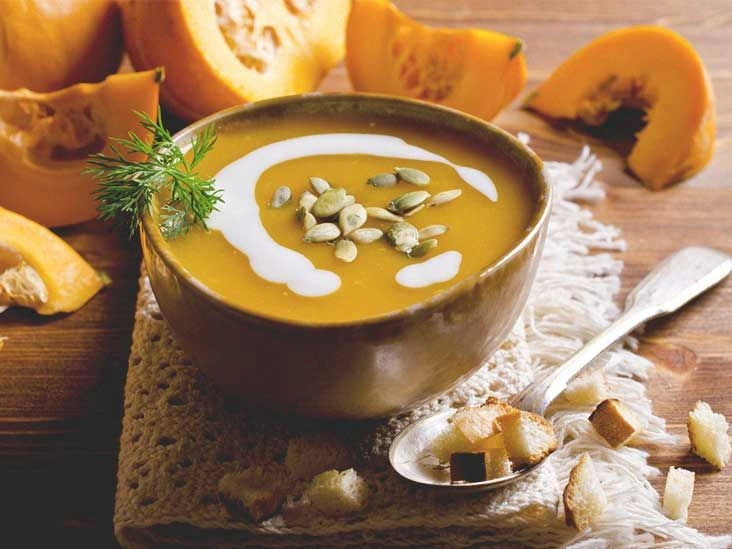
- pumpkin
These may be purchased fresh, frozen, or canned. Avoid consuming them raw; instead, prepare them by steaming or boiling, using minimal or no added butter or fat.
Some individuals can handle lettuce and other mild salad greens in small amounts. It’s best to avoid vegetables known to cause gas, particularly cruciferous varieties such as broccoli, kale, and Brussels sprouts.
Low-fiber fruits
Cooked or canned fruits that are not fibrous and do not contain seeds are usually acceptable on a bland diet. Examples include bananas and melon. Although avocados are higher in fiber, some people tolerate them well in moderate portions.
Processed grains
Refined grain products such as white bread, seedless rye, and refined wheat items are often easier to digest. That said, some individuals notice worsened symptoms when consuming gluten-containing grains.
If you do not have gluten intolerance, suitable choices may include:
- plain soda crackers
- soft white pasta
- cooked cereals such as cream of wheat, grits, and farina
- cold cereals that are low in sugar
Poultry, eggs, and fish
Lean sources of protein are appropriate as long as they are prepared with mild seasonings and little to no added fat. Options include:
- skinless chicken
- fish, such as salmon and trout
- shellfish, such as shrimp, lobster, and crab
- eggs
- silken tofu
Other food items
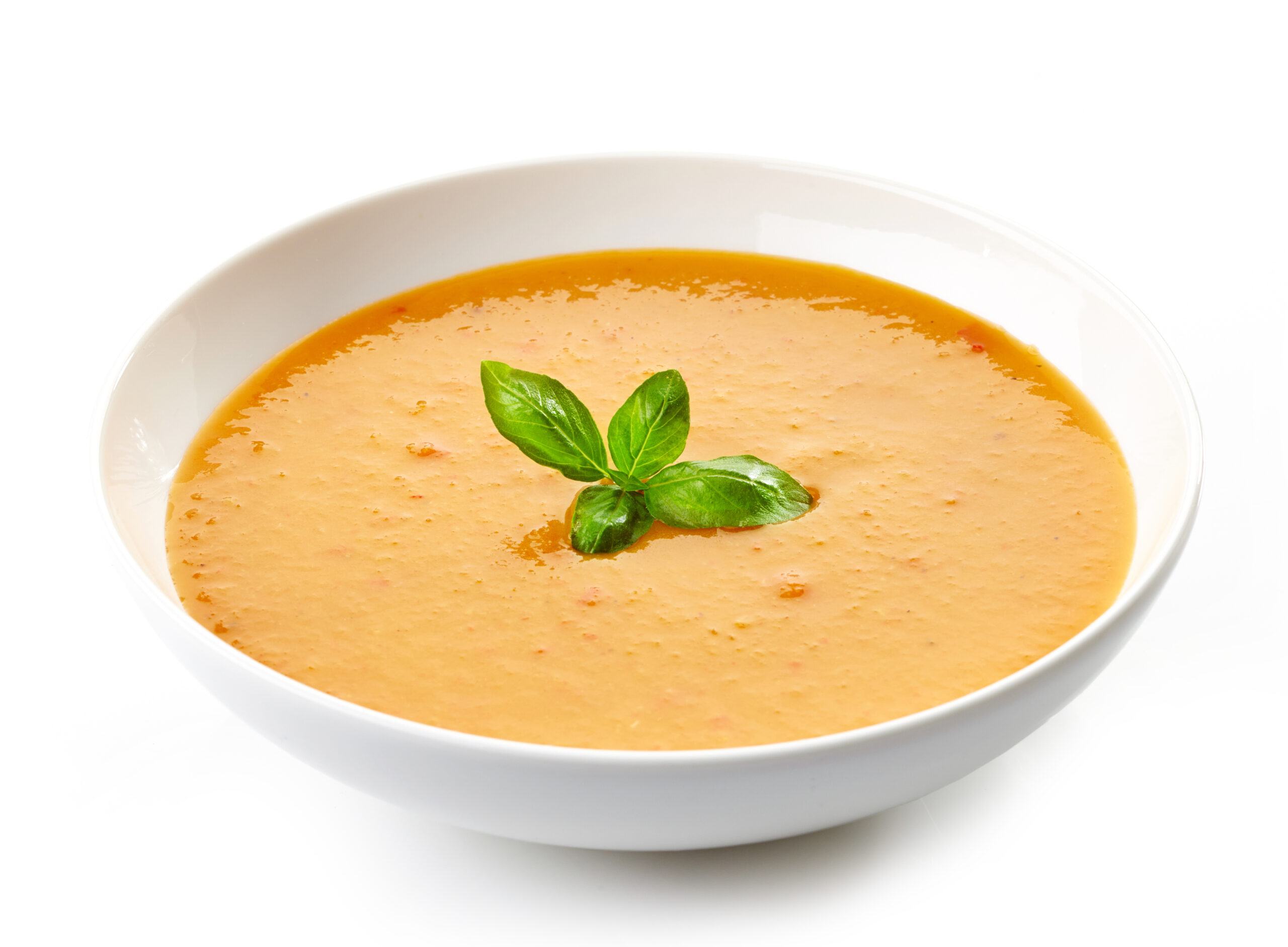
When considering What soups can I eat with diverticulitis, clear broths and cream-based soups made from approved vegetables or lean proteins are excellent selections. Ensure the ingredients align with bland diet recommendations and avoid high-fat or heavily seasoned additions.
Chamomile tea, with or without honey, can be a calming beverage option for the digestive tract.
Sweets such as vanilla pudding, marshmallows, and plain cookies should be eaten sparingly, as excess sugar may aggravate symptoms.
Creamy peanut butter, as well as jelly and jam without seeds, can be spread on refined bread products if tolerated.
Certain seasonings may irritate the stomach lining. You can experiment cautiously with mild herbs such as basil or parsley, along with small amounts of salt, to determine what you tolerate best.
What should I avoid?
Dietary triggers vary widely. Some individuals experience heartburn or gastric discomfort from tomato-based products, garlic, or caffeinated tea. Others may tolerate spicy foods but struggle with high-fat meals.
In general, if you’re following a bland or low-residue diet, the following foods should be limited or avoided:
High-fat dairy
Avoid high-fat dairy products and strongly flavored cheeses, including:
- whole milk
- whipped cream
- ice cream
- Monterey Jack cheese
- bleu cheese
- Roquefort cheese
If dairy worsens your symptoms, it may be beneficial to eliminate it entirely.
Certain vegetables
Some vegetables are well known for producing gas, including:
- cruciferous types, such as Brussels sprouts, broccoli, and cauliflower
- onion
- garlic
- peppers
- cabbage
Tomatoes and tomato-based products are highly acidic and may exacerbate symptoms, so they are best avoided.
Seeded and acidic fruit
Fruits with skins or small seeds often contain too much fiber for a bland diet. Additionally, acidic fruits may trigger heartburn in susceptible individuals.
Fruits to avoid include:
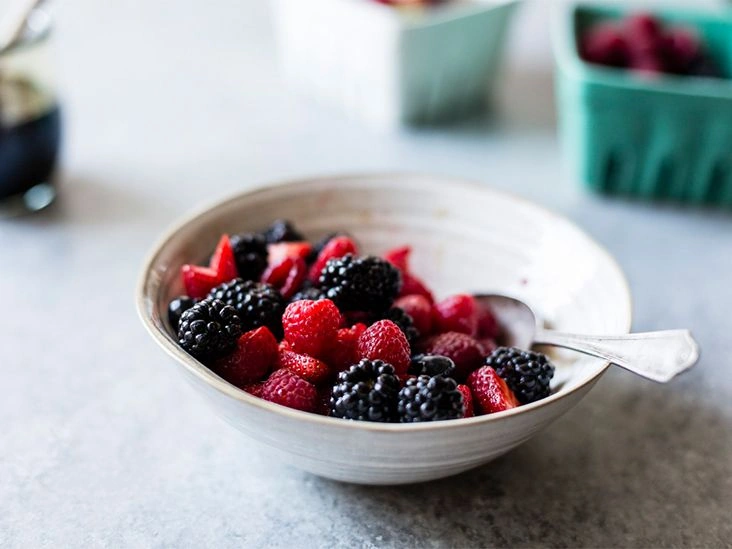
- all berries
- grapes
- prunes
- oranges
- lemons
- limes
- grapefruits
Dried fruits and most fruit juices should also be limited or excluded.
Whole grains
High-fiber whole grains are not recommended if you are following a low-fiber or low-residue variation of a bland diet. Gluten may also act as a trigger for some people, making it helpful to avoid wheat, rye, and barley in certain cases.
Avoid:
- sprouted wheat bread
- grain breads
- whole wheat pasta
- products with added fiber, such as certain cereals
Fatty meats, poultry, beans, and fish
Lentils and dried or canned beans can contribute to gas formation. Beef, poultry with the skin, and fried fish may irritate the digestive tract.
Steer clear of fatty, greasy, or fried protein sources, along with processed deli meats. Prepared dishes such as beef or chicken tacos, chili, and meat sauce may also worsen symptoms.
Other food items
Alcoholic beverages can irritate the stomach lining. Caffeinated drinks, including coffee, tea, energy drinks, and soda, may also aggravate symptoms.
Many condiments and sauces—such as mustard, ketchup, salad dressing, and horseradish—are best avoided.
The following items may further intensify symptoms:
- fatty desserts, such as cheesecake and dark chocolate
- olives
- popcorn
- granola
- nuts
General diet tips
Eating smaller portions more frequently throughout the day may be gentler on your digestive system than consuming three large meals. Take your time while eating, chew thoroughly, and avoid overeating. Certain supplements, such as aloe vera and deglyccerhized licorice root, have demonstrated potential benefits in managing digestive symptoms.
It’s also advisable to avoid eating within two hours of bedtime. Lying down with a full stomach can intensify reflux and discomfort.
Is a bland diet the same as the BRAT diet?
Does a bland diet cause constipation?
Outlook
A bland diet is not intended to provide complete nutrition over the long term. Consult your doctor regarding how long you should remain on this eating plan. Your doctor can guide you on when and how to gradually reintroduce additional foods or food groups.
In certain cases, medications such as antacids or acid blockers may be incorporated into your treatment plan. Lifestyle adjustments—including stress management techniques and weight reduction—may also be recommended to improve digestive health and reduce symptom recurrence.
Frequently Asked Questions
Clear broths and cream-based soups made from approved low-fiber vegetables or lean proteins are ideal. These are gentle on the digestive tract.
Yes, plain chicken broth or a simple chicken soup with well-cooked, skinless chicken and soft carrots or potatoes can be suitable, provided it’s low in fat and seasoning.
Avoid soups with seeds, high-fiber vegetables (like broccoli or corn), tomatoes, onions, garlic, spicy seasonings, and high-fat creams or meats.
Yes, cream-based soups made from tolerated ingredients like pureed potatoes, squash, or carrots can be safe if made with low-fat dairy or alternatives and minimal seasoning.
Follow the diet as advised by your doctor, typically until acute symptoms subside. Gradually reintroduce other foods based on medical guidance.




Related Posts

Retroperitoneal Inflammation
Sep 12, 2026 • 19 min read
Salmonella Food Poisoning
Sep 14, 2026 • 19 min read
Proteolytic Enzymes: How They Work, Benefits and Sources
Sep 13, 2026 • 28 min read
White Specks in Stool
Aug 28, 2026 • 21 min read
Constipation and Back Pain
Aug 1, 2026 • 7 min read