

Gastroesophageal reflux disease, commonly abbreviated as GERD, is a digestive condition characterized by repeated episodes of acid reflux.
If you frequently suffer from symptoms like heartburn, queasiness, or chest discomfort, you may be experiencing GERD.
To lower the occurrence of GERD symptoms, a healthcare provider may suggest lifestyle adjustments, such as shedding excess weight if you are overweight or obese, quitting tobacco if you smoke, and modifying your diet.
Various over-the-counter and prescription remedies can also ease symptoms. You might have heard that zinc carnosine is one supplement sometimes promoted for GERD relief.
This article examines zinc carnosine more closely — what it is, what it’s used for, and how well it may work for GERD.
What is zinc carnosine?
Zinc carnosine, also known as zinc-l-carnosine or by its generic label, is a compound formed by combining equal parts zinc and l-carnosine.
Zinc is an essential mineral present in foods like oysters, beef, and shellfish. It is vital for many bodily functions, including immune response, tissue repair, and cellular growth and maintenance.
L-carnosine is an amino acid derivative found in the brain, muscles, and gastrointestinal tissues of vertebrates, humans included. It has antioxidant effects and supports muscle function, which is why some athletes take it as a supplement.
The two nutrients are not naturally bonded together; zinc carnosine is a synthetic formulation developed roughly three decades ago to address stomach ulcers.
When zinc and l-carnosine are combined, the composite appears to act synergistically on the digestive tract. (This is why some people wonder whether zinc carnosine might aid GERD.)
Zinc carnosine supports the gastrointestinal tract by protecting its mucosal layer, promoting the repair of injured epithelial cells, reducing inflammation, and exhibiting antioxidant-like effects.
Therefore, beyond treating gastric ulcers, zinc carnosine has been used in the management of Heliobacter pylori–related infections and is being investigated for other digestive applications.
Can zinc carnosine supplements help with GERD?
Although zinc carnosine has been researched for ulcer treatment, its role in treating GERD has not been extensively studied.
In fact, limited research has directly examined how beneficial zinc carnosine is for GERD.
One clinical trial is currently underway, but findings have not yet been published.
The Italian trial, called GERDILOR, enrolls 80 adults and will evaluate the effectiveness of a liquid zinc carnosine formulation (sold under the name Hepilor®) for alleviating GERD symptoms and maintaining remission.
In this trial, participants will first receive a proton pump inhibitor (PPI), which is a typical medication for GERD.
As a result, investigators will assess zinc carnosine’s benefit when used alongside conventional therapy rather than on its own.
The GERDILOR outcomes will be informative, but a single positive trial would not be sufficient to definitively conclude that zinc carnosine is effective for GERD. Additional human trials with larger populations are necessary.
That said, this does not prove zinc carnosine is ineffective for GERD. Numerous studies indicate zinc carnosine supports digestive health, which is inherently connected to GERD.
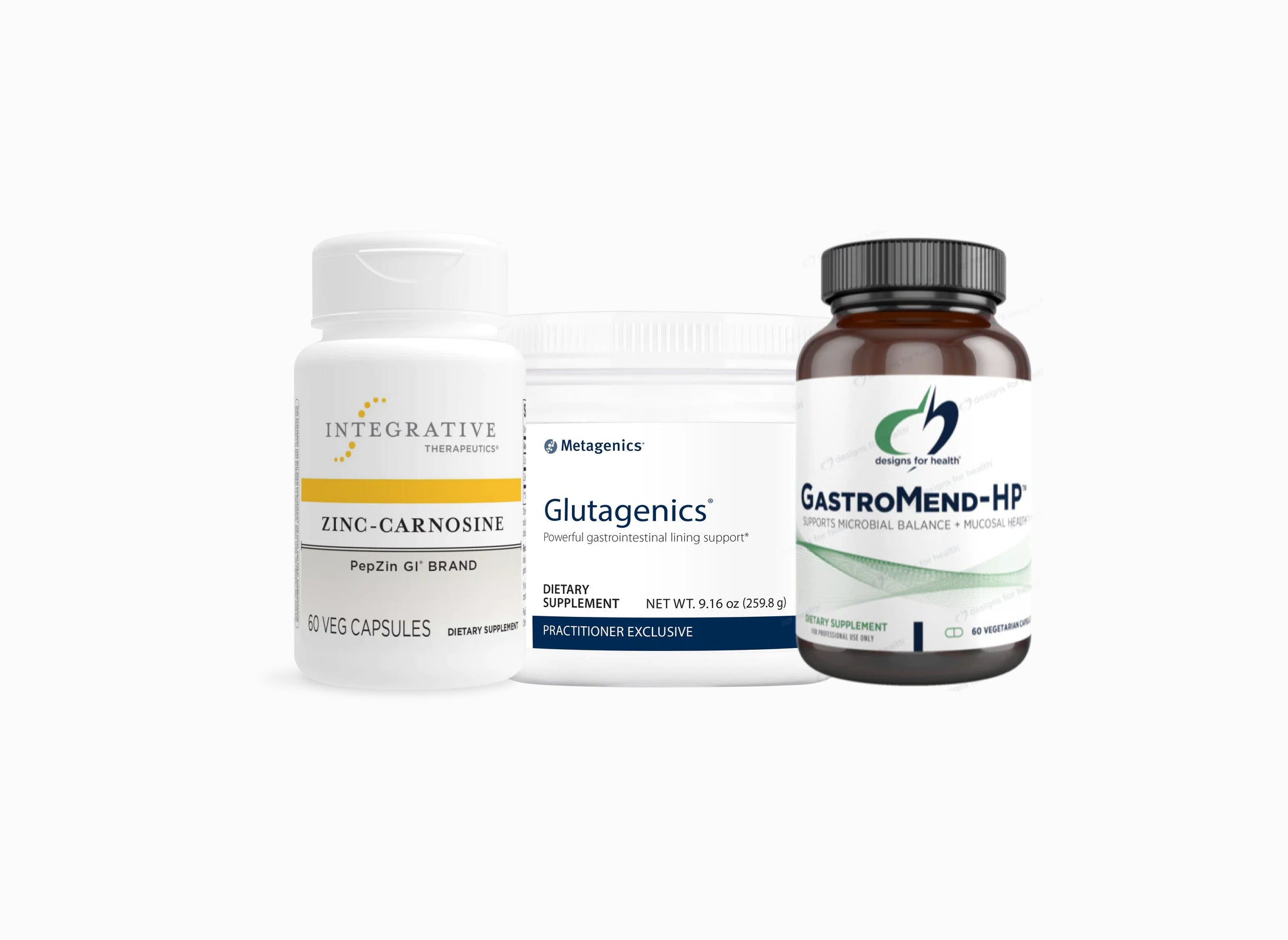
While zinc carnosine is unlikely to cure GERD outright, it may serve as a component of a broader treatment approach by helping preserve a healthy mucosal barrier in the GI tract and reducing injury to the stomach lining.
Best practices for managing GERD
Supplements may reduce GERD symptoms, but to tackle the condition more effectively you might have greater success by addressing its underlying drivers.
For sustainable lifestyle changes that help control GERD, focus on several key areas.
Weight loss
One of the initial steps to improve GERD is to lose weight if you have overweight or obesity.
Research shows that weight reduction decreases acid reflux episodes and the related symptoms in people with severe or extreme obesity.
If you’re starting a weight-loss journey while prioritizing both physical and mental well-being, avoid fad diets. Instead, adopt gradual adjustments to your eating and activity patterns that you can maintain long-term.
Consider our top tips for sustainable weight loss — including a dietitian-approved sample meal plan — here.
Diet and nutrition
Certain foods and drinks stimulate acid production more than others.
Some items that commonly trigger reflux when you have GERD include:
- alcohol
- coffee
- caffeinated drinks
- high-fat foods
- spicy foods
- acidic items (notably citrus fruits and tomatoes)
- chocolate
Learn more about foods to emphasize and avoid when managing GERD symptoms here.
Sleep patterns
If you frequently experience GERD overnight or upon waking, try these strategies:
- avoid late-night meals.
- don’t eat within three hours before lying down.
- use a wedge pillow or raise the head of the bed by about six to eight inches.
Find more sleep hygiene recommendations from our experts here.
Tobacco and alcohol use
Smoking not only worsens GERD symptoms, but it has also been implicated as a factor that may contribute to developing the condition.
Indeed, tobacco use and excessive alcohol consumption are among the strongest risk factors for GERD.
To improve GERD, think about limiting or avoiding these substances.
Need help cutting back on smoking or drinking? Check out some resources here and here.
Programs that might assist include:
- Alcoholics Anonymous
- Pride Institute
- Smart Recovery
- Recovery Dharma
- In the Rooms
- Young People in Recovery
- Moderation Management
- LifeRing
- Celebrate Recovery
Frequently asked questions
Below are some common questions about zinc carnosine and GERD.
Does zinc carnosine reduce stomach acid?
There isn’t sufficient evidence at present to claim that zinc carnosine directly lowers stomach acid.
Some animal and laboratory research suggests zinc carnosine might decrease pepsin — a digestive enzyme that is associated with increased acid — so zinc carnosine could indirectly affect acid levels.
However, zinc carnosine supplements are thought to protect the gastrointestinal lining from damage caused by excessive acid rather than directly suppressing acid production.
If your goal is to decrease stomach acid, an H2 blocker or a proton pump inhibitor (PPI) is typically recommended.
Can zinc carnosine heal gastritis?
Gastritis occurs when the stomach lining becomes inflamed and can stem from many causes, including Heliobacter pylori infection.
Some research has evaluated zinc carnosine as a therapy that may target and help eradicate Heliobacter pylori.
Along with zinc carnosine, several other established medications are commonly prescribed for gastritis linked to H. pylori. You should speak with a healthcare professional before taking zinc carnosine for gastritis.
How long does zinc carnosine take to work?
There are currently no definitive guidelines on how long zinc carnosine takes to take effect.
The time frame for seeing benefits depends on what condition you’re treating, other medications you’re using, and individual health factors.
The bottom line
Zinc carnosine is a synthetic compound primarily used for treating gastric ulcers.
Although it seems to offer advantages for digestive health in general, more rigorous research is required to understand precisely how zinc carnosine might aid GERD.
If you’re exploring options to manage GERD, consider working with a medical team that includes a physician and a registered dietitian.
These professionals can recommend a treatment plan combining medications and lifestyle modifications that are known to improve GERD outcomes.

















Leave a Reply
You must be logged in to post a comment.