

If you’re not currently dealing with a flare-up, consuming a balanced diet that includes adequate fiber can support digestive wellness and may lower the likelihood of future episodes. However, during an active flare, transitioning to foods that are gentler on the digestive tract can help ease discomfort and calm inflammation.
Many individuals searching for What are the 10 foods to avoid with diverticulitis find that certain dietary triggers can aggravate symptoms, especially during a flare-up. Identifying and temporarily limiting these foods may play an important role in symptom management and overall colon health.

High FODMAP foods (temporarily)
FODMAPs are specific types of carbohydrates. The term stands for fermentable oligosaccharides, disaccharides, monosaccharides, and polyols.
Emerging research indicates that following a low FODMAP diet may reduce pressure within the colon. In theory, lowering this pressure could help prevent or manage diverticulitis by minimizing strain on weakened areas of the intestinal wall.
A low FODMAP approach is also commonly used for people with irritable bowel syndrome (IBS) to decrease bloating, abdominal pain, and cramping. Some people with diverticulitis report similar relief when temporarily limiting high FODMAP foods during symptom flares.
High FODMAP foods include:
- certain fruits, such as apples, pears, and plums
- dairy foods, such as milk, yogurt, and ice cream
- fermented foods, such as sauerkraut or kimchi
- beans
- legumes
- foods high in trans fats
- soy
- cabbage
- Brussels sprouts
- onions and garlic
You may consider reducing these and other high FODMAP foods to determine whether your symptoms improve. Still, this dietary pattern is not meant for long-term use because it can increase the risk of nutritional deficiences.
If you try a low FODMAP diet plan, make sure your nutritional needs are met through alternative sources. Consulting a registered dietitian can help ensure proper balance and prevent gaps in essential vitamins and minerals.
Fiber…sometimes
The connection between fiber intake and diverticulitis can be complicated.
Fiber helps bulk and soften stool, allowing waste to pass more smoothly through the intestines and colon. This process lowers pressure in the digestive tract, which may help prevent the formation of diverticula. Adults are generally advised to consume 25 to 30 g of fiber daily.
However, during an acute attack of diverticulitis, your doctor may recommend a temporary low fiber diet or even a clear liquid diet. This approach can reduce bowel activity and ease colon contractions that fiber might otherwise stimulate.
After symptoms begin to resolve, healthcare providers often suggest maintaining a low fiber intake briefly, then gradually increasing fiber once symptoms have fully subsided. Slowly reintroducing fiber may help lower the risk of recurrent flares.
In fact, a high fiber diet may also reduce your risk of developing diverticulitis due to its positive impact on the gut microbiome and overall digestive function.
Low fiber foods
If you are experiencing diverticulitis symptoms, the following low fiber foods may be easier to tolerate:
- white rice, white bread, or white pasta (but avoid foods that contain gluten if you’re intolerant)
- dry, low fiber cereals
- processed fruits, such as applesauce or canned peaches
- cooked animal proteins, such as fish, poultry, or eggs
- olive oil or other oils
- yellow squash, zucchini, or pumpkin without skin or seeds
- cooked spinach, beets, carrots, or asparagus
- potatoes with no skin
- fruit and vegetable juices
These foods are generally easier to digest and may help reduce abdominal pain, bloating, and changes in bowel habits during a flare.
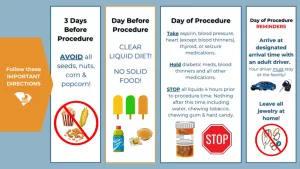
Clear liquid diet
A clear liquid diet is a more restrictive short-term strategy sometimes recommended to calm acute diverticulitis symptoms. Your doctor may advise this approach for a limited period to allow the colon to rest.
A clear liquid diet typically includes:
- water
- ice chips
- soup broth or stock
- gelatin, such as Jell-O
- tea or coffee without any creams, flavors, or sweeteners
- clear electrolyte drinks
This plan should only be followed under medical supervision, as it does not provide complete nutrition.
High fiber foods
Long term, a dietary pattern rich in fruits, vegetables, and whole grains may decrease the risk of developing diverticulitis. However, it’s best to increase your fiber intake slowly to minimize gas, cramping, or bloating as your digestive system adapts.
Examples of high fiber foods include:
- beans and legumes, such as navy beans, chickpeas, lentils, and kidney beans
- whole grains, such as brown rice, quinoa, oats, amaranth, spelt, and bulgur
- vegetables
- fruits
As you add fiber back into your meals, drink adequate water to help prevent constipation and support smoother bowel movements.

Because individual responses vary, it’s wise to speak with a healthcare professional before making significant dietary adjustments. Partnering with a gastroenterologist and dietitian can help you reintroduce fiber safely and tailor your eating plan to your needs.
What else to consider?
The typical Western dietary pattern tends to be high in fat and sugar while lacking sufficient fiber. This imbalance may contribute to an increased risk of diverticulitis and other digestive concerns.
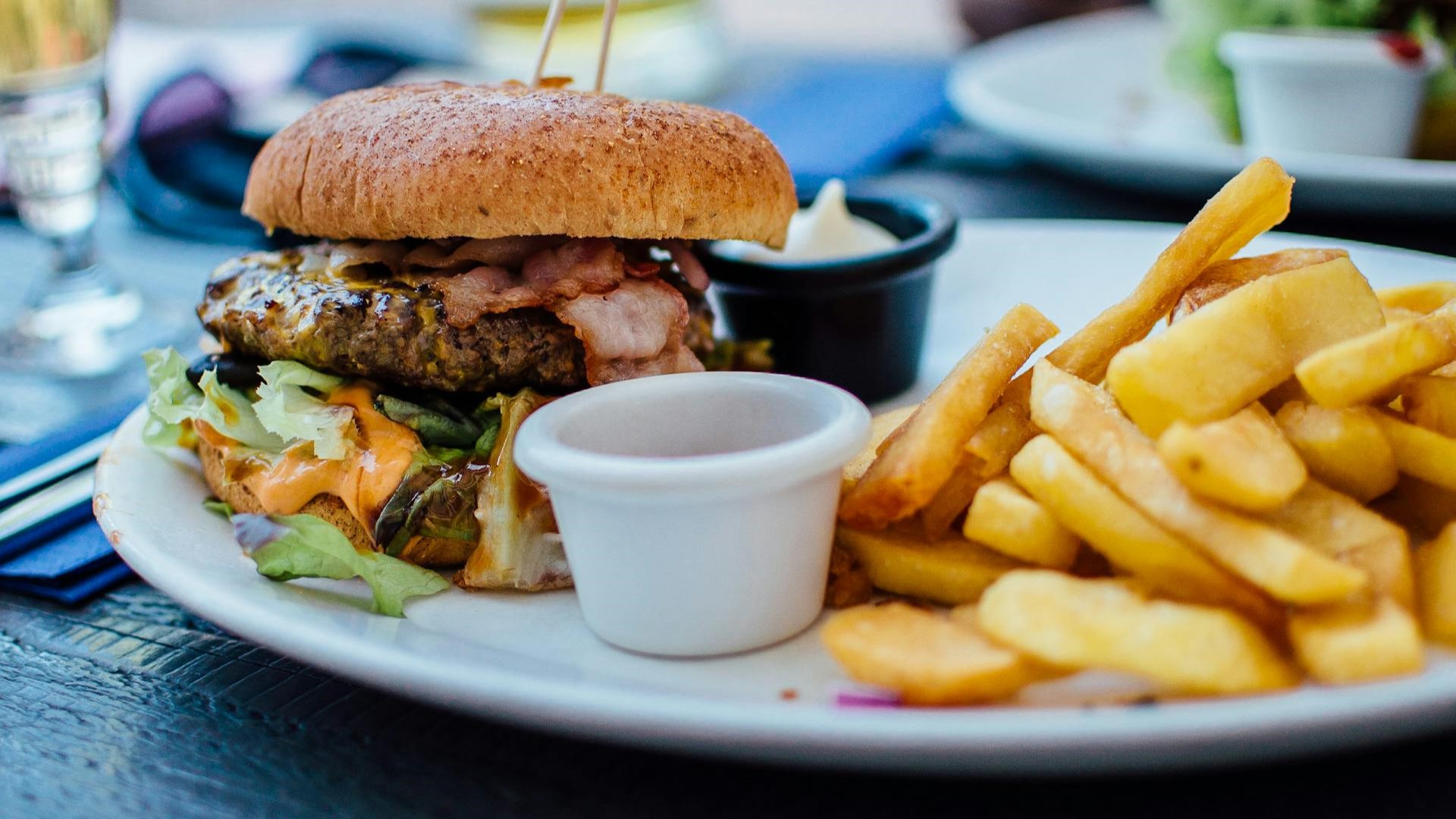
A 2017 study involving more than 46,000 male participants found that limiting the following foods could help prevent diverticulitis or reduce symptom severity:
- red meat
- refined grains
- full fat dairy
- fried food
A diet high in red and processed meats could increase your risk of developing diverticulitis. Red meat has been associated with inflammation in certain organs, and excessive intake may contribute to digestive complications.
Choosing lean protein sources such as poultry or fish may be a healthier substitute. For additional guidance on dietary triggers, you may find it helpful to review this resource on 7 foods to avoid with diverticulitis, which complements the discussion around What are the 10 foods to avoid with diverticulitis.
During recovery, some individuals also wonder about meal options that are soothing and easy to digest. Exploring recommendations like What soups can I eat with diverticulitis can provide practical ideas for maintaining nutrition without irritating the colon.
The bottom line
Overall, if you have diverticulosis but are not experiencing diverticulitis symptoms, maintaining a fiber-rich diet may help reduce the chance of future flare-ups.
When an acute diverticulitis episode occurs, a temporary low fiber or clear liquid diet may help alleviate pain and digestive distress.
If you’re asking What are the 10 foods to avoid with diverticulitis, the answer often depends on whether you are in remission or actively flaring. Speak with your doctor about your specific dietary requirements and restrictions. Professional guidance ensures that any nutritional changes support healing rather than worsen your condition.
Finally, continue regular follow-up with your healthcare provider. Although diverticulitis can remain in remission for extended periods, it is considered a chronic condition that benefits from ongoing monitoring and individualized care.












Leave a Reply
You must be logged in to post a comment.