
Some studies indicate that particular essential oils might ease heartburn, a symptom linked to digestive disorders like gastroesophageal reflux disease (GERD). Still, the body of evidence is sparse.
Essential oils have surged in popularity. Friends share glowing endorsements on social platforms, colleagues hawk blends at work, and neighbors let warm notes of ginger or lavender waft from diffusers into their living spaces.

While many regard essential oils as an easy form of aromatherapy, they’ve historically been used as alternative remedies for conditions including GERD, irritable bowel syndrome (IBS), and indigestion (dyspepsia). Any of these issues can produce symptoms such as acid reflux or heartburn.
Here’s what to know about using essential oils to ease heartburn.
What the research shows
Essential oils are prized for their fragrant aromas and are extracted from parts of plants like:
- roots
- bark
- flowers
- seeds
There’s limited research on how herbs affect gastrointestinal symptoms. Much of the available work centers on traditional herbal systems—such as Persian or Chinese remedies—that may not be widely used or easy to obtain in the United States.
Additionally, most studies don’t always separate effects from the whole herb versus results after the herb’s essence has been concentrated into an essential oil.
That said, some research indicates essential oils can offer therapeutic benefits. A key caution is that it is unsafe to ingest essential oils, unlike other herbal formats such as teas, so any potential digestive benefit is likely from external use.
Even though studies suggest possible health advantages, the FDA does not regulate the purity or quality of essential oils. Speak with a healthcare provider before beginning essential oil use and check the reputation of a brand. Perform a patch test before applying a new oil to your skin.
Below are examples of oils that may reduce digestive inflammation and symptoms like heartburn.
Rose oil
Roses have scientific names such as Rosa rubiginosa, and varieties like Rosa damascena (damask rose) can be used to produce rose oil.
A 2021 study compared damask rose oil with the proton-pump inhibitor (PPI) omeprazole (Prilosec), a common GERD treatment.
The trial involved 70 participants split into a rose oil group and an omeprazole group. After three treatment sessions, both groups experienced similar reductions in acid reflux symptoms.
Researchers were unsure whether the benefit came from the rose oil itself or from components of how the oil was prepared. Further research is required to determine if rose oil alone is effective.
Cinnamon oil
Cinnamon (Cinnamomum verum) can be distilled into an essential oil, and there are varieties such as Cinnamomum zeylanicum.
A 2021 study evaluated capsules of Cinnamomum zeylanicum in individuals with indigestion. Sixty-four people were assigned to receive cinnamon oil capsules for six weeks or sesame oil as a placebo.
Although the difference between groups was not statistically significant, both groups showed reductions in symptoms like stomach pain and heartburn.
The potential effect of cinnamon oil may stem from cinnamaldehyde, a component of the oil that has shown a soothing influence on the intestinal environment.
Sesame oil
Sesame seeds (Sesamum indicum L.) have long been used in traditional remedies, including for abdominal discomfort. Sesame oil functions as a carrier oil rather than a concentrated essential oil, meaning it typically doesn’t require dilution before topical use.
Direct research on sesame oil specifically for digestive complaints is lacking, but the 2021 rose oil trial noted the rose oil had been preserved in sesame oil, leaving uncertainty whether rose or sesame contributed to the observed improvement.
Additionally, the 2021 cinnamon oil study used sesame oil as the comparator, and both oils appeared to help lessen gastrointestinal symptoms.
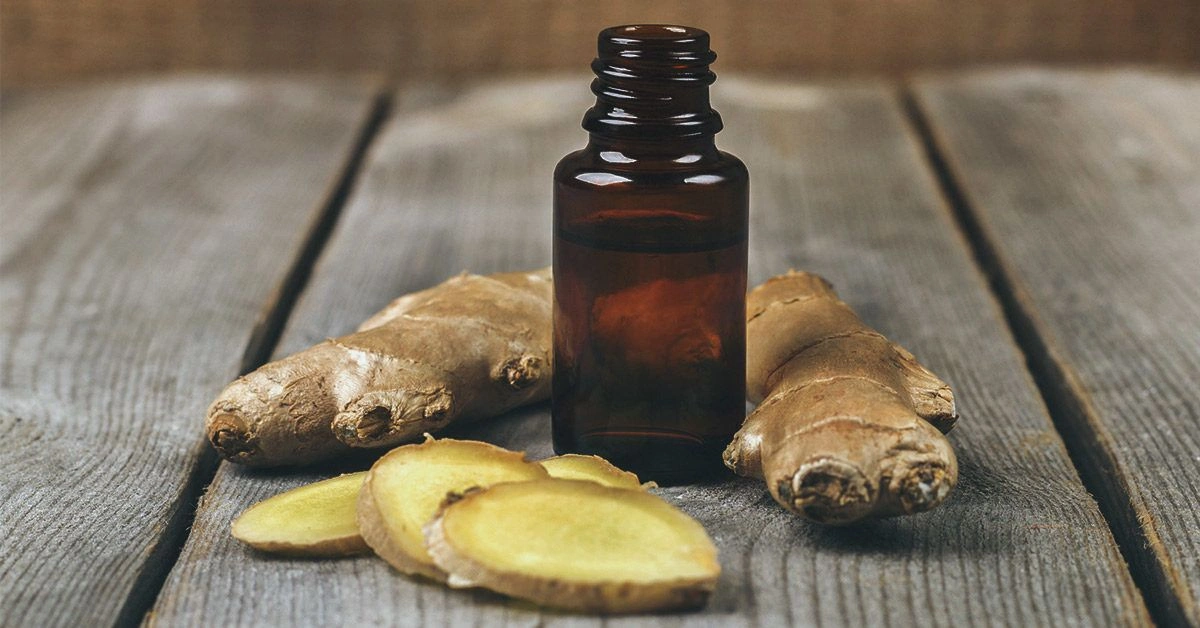
Ginger oil
A 2023 study reported that ginger eased dyspepsia symptoms, including heartburn. However, that small study evaluated ginger supplements rather than ginger essential oil.
Older research on ginger oil focuses mainly on reducing nausea. More contemporary trials are needed to clarify whether ginger oil can specifically improve heartburn.
How to use essential oils for heartburn
Essential oils are concentrated. A single drop can scent an entire room. When applying oils to the skin, one or two drops diluted in a carrier oil is generally recommended. Inhaling directly from the bottle or a cloth also requires only a few drops.
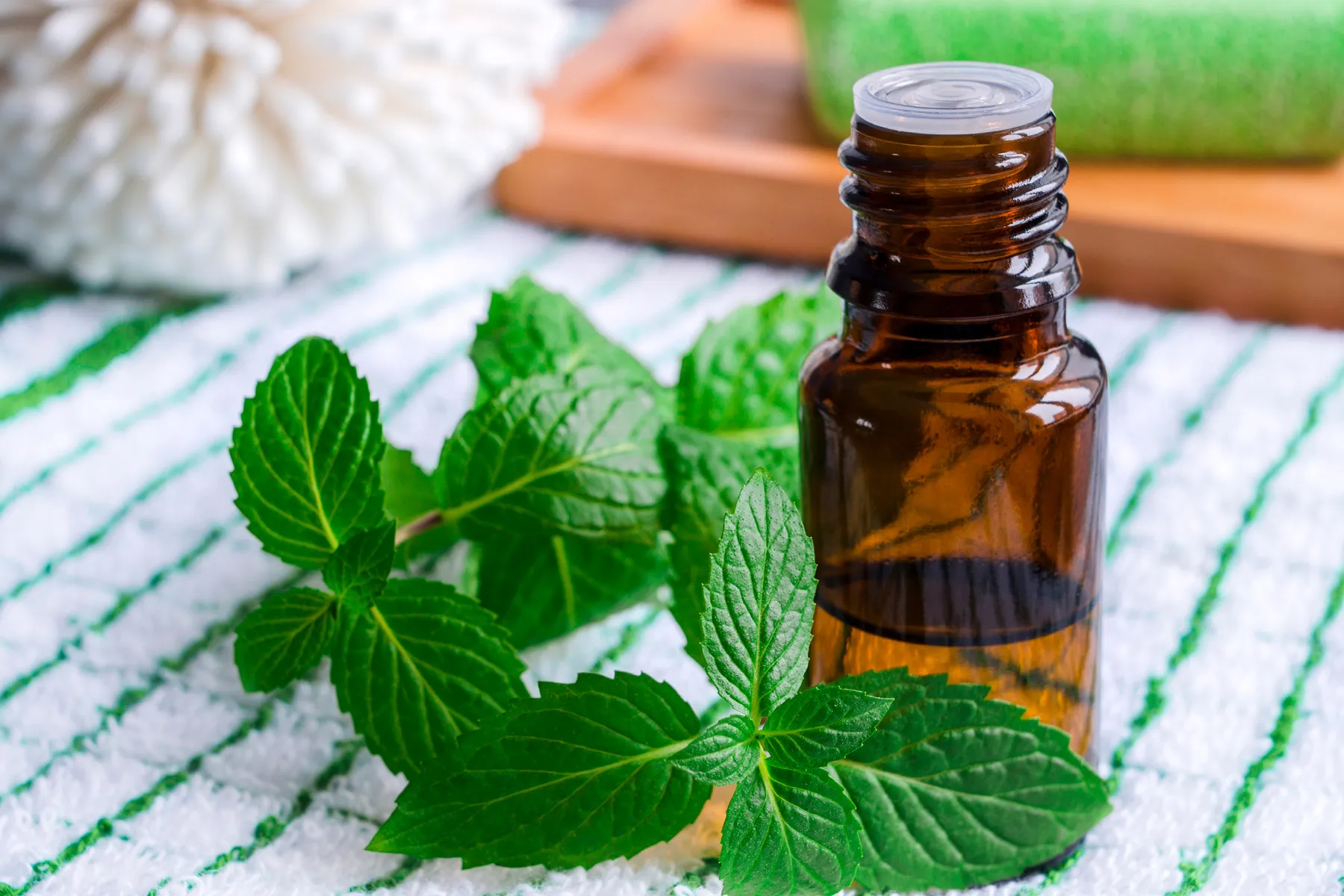
The most practical method to attempt heartburn relief is inhalation, either straight from the bottle or via a diffuser. For a diffuser, add two or three drops to the water reservoir.
Turn on the unit and warm water will disperse the concentrated aroma. If you don’t have a diffuser, breathe deeply over a cloth with a few drops of essential oil.
You can also blend essential oils with a carrier oil and massage them into the skin. Essential oils should never be ingested.
What else can quickly ease acid reflux?
While over-the-counter (OTC) remedies often manage heartburn, prescription-strength medications may be more appropriate for some people.
If you have frequent heartburn, consult your physician about treatment options. They can suggest medicines that might reduce or eliminate your symptoms. These options include:
- antacids
- H2 receptor antagonists (H2RAs)
- proton pump inhibitors (PPIs)
Learn more: What you need to know about heartburn.
Takeaway
The Food and Drug Administration (FDA) considers essential oils “generally recognized as safe,” which also means the FDA does not tightly regulate their production or sale. Product quality and purity are therefore dependent on manufacturers.
For this reason, choose a trusted brand and feel confident in its products. Essential oils are available at many natural food stores and online. Before buying, do your homework. You may also consult a certified aromatherapist through the National Association for Holistic Aromatherapy (NAHA).
Know which oils might suit your needs and which might not. Consider potential side effects and how they could affect your daily life.
Your physician might not be an expert in essential oils, but they can help you navigate heartburn treatments and should be aware of any alternative therapies you’re using. They can advise on safety and check for interactions with medications.
If essential oils or OTC treatments don’t relieve symptoms of GERD or related conditions, talk with your doctor about stronger options that may provide relief.
Learn more: Essential oils 101: finding the right one for you.





















Leave a Reply
You must be logged in to post a comment.