

Tyrosine is a dietary supplement that may support alertness, concentration, and mental focus. Based on the amount taken, it could enhance both cognitive and physical performance. However, research findings are not entirely consistent, and potential side effects should be considered.
This amino acid plays a key role in producing essential brain chemicals that enable nerve cells to communicate effectively and may also help regulate mood (1).
Despite these potential advantages, tyrosine supplementation can lead to adverse effects in some individuals and may interact with certain medications.
This comprehensive guide explains everything you need to understand about tyrosine, including how it works, its possible benefits, side effects, and recommended dosages for safe use.
What Is Tyrosine and What Does It Do?

Tyrosine is a nonessential amino acid, meaning your body can produce it internally from another amino acid known as phenylalanine.
It occurs naturally in a wide range of foods, particularly cheese — which is where it was first identified. The term “tyros” translates to “cheese” in Greek (2).
You’ll also find tyrosine in protein-rich foods such as chicken, turkey, fish, dairy products and many other high-protein sources (3).
Tyrosine contributes to the production of several critical compounds, including (4):
- Dopamine: Dopamine helps regulate the brain’s reward and pleasure pathways. It also supports memory formation and motor control (5).
- Adrenaline and noradrenaline: These hormones drive the fight-or-flight response during stressful events, preparing the body to respond to perceived danger (5).
- Thyroid hormones: Produced by the thyroid gland, these hormones are primarily responsible for controlling metabolism and energy regulation (6).
- Melanin: This pigment determines the color of your skin, hair and eyes. Individuals with darker skin tones have higher levels of melanin (7).

Tyrosine is also widely available as a standalone dietary supplement or included in blended formulas such as pre-workout products designed to enhance focus and endurance.
Supplementing with tyrosine is believed to elevate levels of dopamine, adrenaline and norepinephrine. By supporting these neurotransmitters, it may enhance memory, mental clarity and task performance during stressful situations (4).
Summary Tyrosine is an amino acid synthesized from phenylalanine. Supplementing with it may raise important brain chemicals that influence mood, cognition and the stress response.
It May Improve Mental Performance in Stressful Situations
Stress is a universal experience, but it can negatively influence reasoning, attention, memory and learning by reducing neurotransmitter levels (8, 9).
Animal research shows that rodents exposed to cold — an environmental stressor — experienced memory impairment due to decreased neurotransmitters (10, 11).
When these animals received tyrosine supplementation, neurotransmitter levels were restored and memory function improved.
Although findings from animal studies do not always translate directly to humans, clinical research has produced comparable results.
In a study involving 22 women, tyrosine significantly enhanced working memory during a demanding cognitive task compared with a placebo. Working memory is essential for maintaining concentration and following multi-step instructions (12).
Another trial with 22 participants found that taking tyrosine before completing a test measuring cognitive flexibility improved performance relative to placebo (13).
Cognitive flexibility refers to the ability to shift between tasks or adapt thinking patterns. Faster transitions are associated with stronger executive function.
Tyrosine supplementation may also benefit individuals experiencing sleep deprivation. A single dose helped participants who missed a full night of sleep remain alert for approximately three additional hours (14).
Two review articles further suggest that tyrosine may counteract short-term mental decline and enhance cognition during acute stress or mentally taxing situations (15, 16).
However, despite potential cognitive advantages, no consistent evidence indicates that tyrosine improves physical performance in humans (16, 17, 18).
Importantly, current research does not show that tyrosine enhances mental performance in the absence of stress. In other words, it does not appear to boost baseline intelligence or cognitive power.
Summary Research suggests that tyrosine may help preserve mental performance when taken prior to stressful activities. There is no strong evidence that it enhances memory under normal conditions.
It Might Help Those With Phenylketonuria
Phenylketonuria (PKU) is a rare inherited disorder caused by a mutation in the gene responsible for producing the enzyme phenylalanine hydroxylase (19).
This enzyme converts phenylalanine into tyrosine, which the body uses to produce neurotransmitters (4).
Without phenylalanine hydroxylase, phenylalanine accumulates in the bloodstream, potentially leading to serious health complications.
The cornerstone of PKU management is a specialized diet that restricts foods containing phenylalanine (20).
Because tyrosine is derived from phenylalanine, individuals with PKU may develop a tyrosine deficiency, which can contribute to behavioral and cognitive challenges (21).
Tyrosine supplementation has been explored as a possible strategy to reduce these symptoms, though research findings remain inconsistent.
A review examining two studies with 47 participants found no meaningful difference between tyrosine supplementation and placebo in terms of intelligence, growth, nutritional markers, mortality or quality of life (22).
Another review of three studies including 56 individuals also reported no significant benefit of tyrosine supplementation compared to placebo across measured outcomes (23).
Researchers concluded that there is currently insufficient evidence to recommend tyrosine supplements as a standard treatment for PKU.
Summary PKU is a serious genetic disorder that can result in tyrosine deficiency. More high-quality studies are needed before tyrosine supplementation can be recommended for treatment.
Evidence Regarding Its Effects on Depression Is Mixed
Tyrosine has been proposed as a natural option for supporting individuals with depression.
Depression is believed to develop when neurotransmitters in the brain become imbalanced. Antidepressant medications are commonly prescribed to help correct and stabilize these imbalances (24).
Because tyrosine can increase neurotransmitter production, it has been suggested that it may function as an antidepressant (25).
However, early clinical evidence does not strongly support this theory.
In one four-week study involving 65 individuals with depression, participants received either 100 mg/kg of tyrosine, 2.5 mg/kg of a common antidepressant or a placebo daily. Tyrosine did not demonstrate antidepressant effects (26).
Depression is a multifaceted condition with diverse underlying causes, which may explain why a single nutrient supplement like tyrosine does not consistently improve symptoms.
That said, individuals experiencing dopamine-deficient depression — characterized by low energy and reduced motivation — may potentially benefit from tyrosine supplementation (27).
Until further research clarifies its role, current evidence does not support routine use of tyrosine supplements for treating depression (25).
Summary Although tyrosine influences neurotransmitters linked to mood, evidence does not support its use as a primary treatment for depression.
Side Effects of Tyrosine
Tyrosine is classified as “generally recognized as safe” (GRAS) by the Food and Drug Administration (28).
It has been used safely at doses of 68 mg per pound (150 mg per kg) of body weight daily for up to three months (15, 29, 30).
While generally well tolerated, tyrosine can cause mild side effects and may interact with certain medications.
Monoamine Oxidase Inhibitors (MAOIs)
Tyramine is an amino acid that helps regulate blood pressure and forms when tyrosine is broken down.
Tyramine accumulates in foods when tyrosine and phenylalanine are converted by microbial enzymes (31).
Aged cheeses, cured meats, soy products and beer are particularly high in tyramine (31).
MAOIs block the enzyme monoamine oxidase, which normally breaks down excess tyramine (2, 32, 33).
Combining MAOIs with high-tyramine intake can dangerously elevate blood pressure. It remains unclear whether tyrosine supplementation significantly increases tyramine levels, so individuals taking MAOIs should exercise caution (34, 35).
Thyroid Hormone
The thyroid hormones triiodothyronine (T3) and thyroxine (T4) regulate metabolic rate, growth and energy balance.
Maintaining appropriate T3 and T4 levels is essential, as levels that are too high or too low can cause health problems.
Since tyrosine serves as a precursor for thyroid hormones, supplementation may elevate their levels (36).
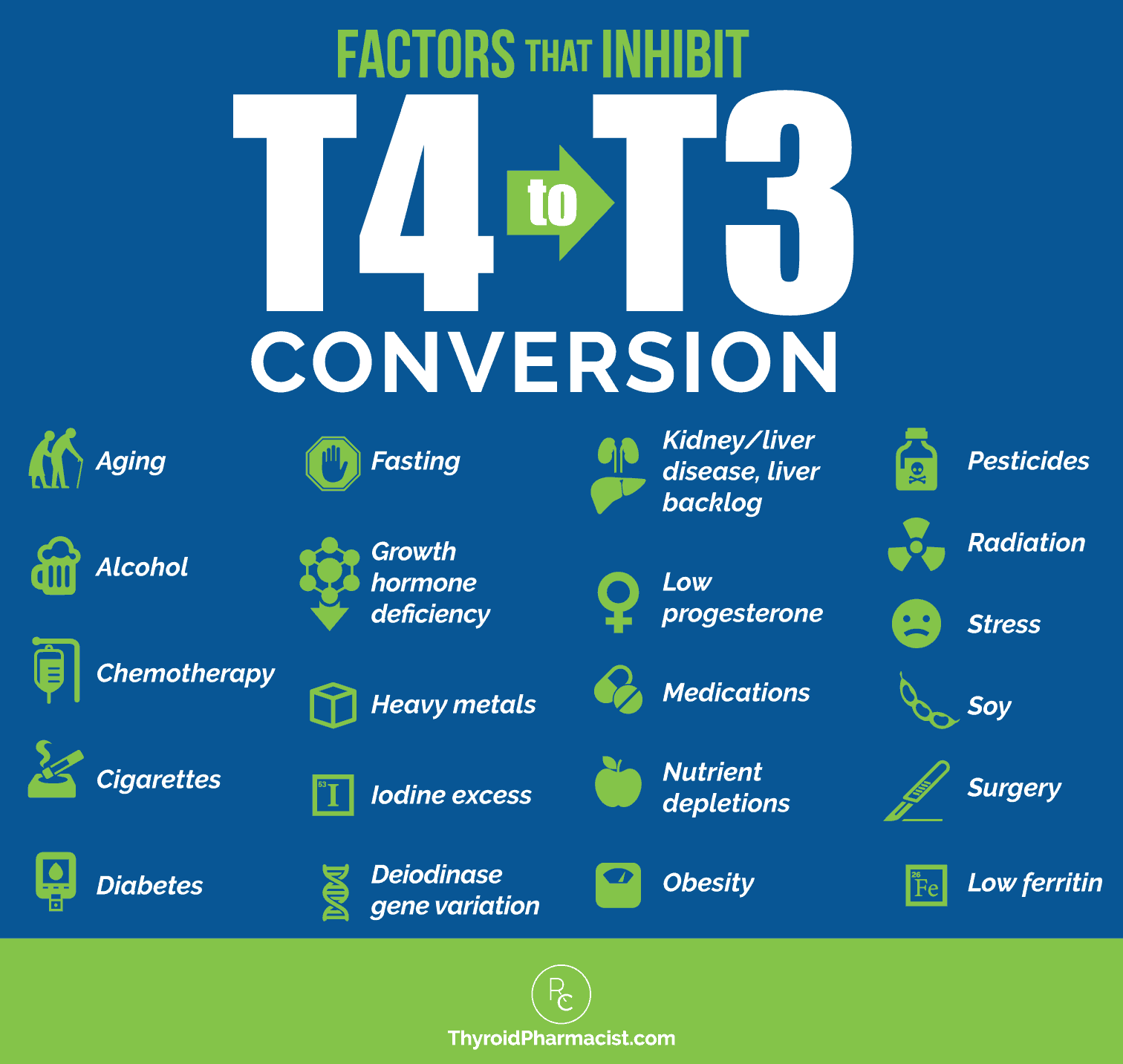
Individuals taking thyroid medications or those with hyperthyroidism should consult a healthcare professional before using tyrosine.
For individuals closely monitoring thyroid health or adjusting thyroid medications, tools such as a Thyroid conversion calculator may help track hormone conversions like T4 to T3, but supplementation decisions should always be medically supervised.
Levodopa (L-dopa)
Levodopa (L-dopa) is frequently prescribed to manage Parkinson’s disease (37).
Tyrosine and L-dopa compete for absorption in the small intestine, which may reduce the medication’s effectiveness (38).
Separating doses by several hours may help minimize this interaction.
Researchers are also exploring tyrosine’s potential role in addressing cognitive decline associated with aging (38, 39).
Summary Tyrosine is considered safe for most individuals but may interact with MAOIs, thyroid medications and Levodopa.
How to Supplement With Tyrosine
Tyrosine supplements are available in free-form amino acid form or as N-acetyl L-tyrosine (NALT).
Although NALT is more water-soluble, its conversion to tyrosine in the body is limited (40, 41).
This means higher doses of NALT may be required to achieve similar effects, making free-form tyrosine the more commonly preferred option.
Typical doses range from 500–2,000 mg taken 30–60 minutes before exercise, though evidence supporting improvements in exercise performance remains inconclusive (42, 43).
For cognitive support during stress or sleep deprivation, doses of 45–68 mg per pound (100–150 mg per kg) of body weight appear effective.
For a 150-pound (68.2-kg) individual, this equals approximately 7–10 grams.
Higher amounts may cause gastrointestinal discomfort and can be divided into two doses taken 30 and 60 minutes before a stressful event.
Individuals managing thyroid conditions alongside supplementation should also work with their healthcare provider to interpret lab results accurately. Resources discussing NP Thyroid vs Armour conversion and NP thyroid vs Armour dosage can provide additional context for those adjusting thyroid therapy, and a Thyroid conversion calculator may further assist in understanding hormone equivalencies under medical guidance.
Summary Free-form tyrosine is generally preferred over NALT. Anti-stress benefits are most noticeable at doses of 45–68 mg per pound (100–150 mg per kg) taken about one hour before a stressful situation.
The Bottom Line
Tyrosine is a widely used dietary supplement taken for cognitive support, stress resilience and overall mental performance.
Within the body, it serves as a precursor to neurotransmitters that may decline during periods of stress or intense mental demand.
Evidence indicates that tyrosine supplementation can replenish these neurotransmitters and improve short-term mental function compared with placebo.
It is generally safe, even at relatively high doses, but may interact with certain medications, especially thyroid-related treatments — making medical supervision important. Individuals monitoring thyroid function may use tools like a Thyroid conversion calculator for educational purposes, but clinical decisions should always involve a healthcare professional.
Although tyrosine shows promise in specific contexts, more research is needed to fully determine the scope and clinical significance of its benefits.























Leave a Reply
You must be logged in to post a comment.