
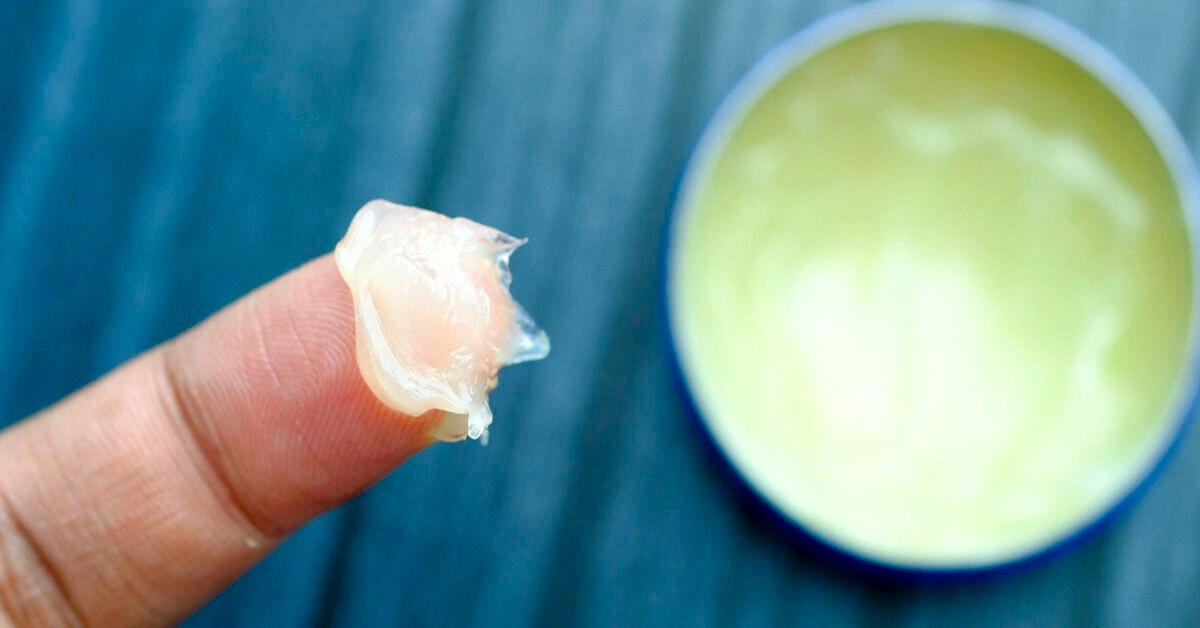
Petroleum jelly generally isn’t the best pick for sexual lubrication: it can compromise condoms, leave greasy marks on sheets or clothing, and has other drawbacks. That said, it can serve as a last-resort option if no better choices are available.

Vaseline — essentially petroleum jelly — is an oil-based salve. It’s soft, tacky, and slick, and it warms quickly when held. At first glance it might seem like an obvious candidate for sexual lube. In reality, there are far more suitable alternatives. Vaseline should be reserved for situations when you don’t have access to a more appropriate product.
Below is an explanation of why Vaseline is a less-than-ideal lubricant and which products are preferable.
What the research shows
Having sex with inadequate lubrication can be uncomfortable. Friction on dry skin can feel unpleasant or even painful. Vigorous friction during intercourse can also create tiny tears in the delicate tissue of the vagina, penis, or anus, increasing the chance of sexually transmitted infections (STIs) for you and your partner.
Vaseline is not the recommended lubricant for sex, though it can be used in a pinch. If you choose to use this thick jelly as lubrication, keep these points in mind:
- It stays put. Being petroleum-based, Vaseline can persist longer and won’t dry out as fast as many water-based lubes. That longevity has a drawback: it can be hard to remove or rinse out after sex. The residue may take several days to exit your body entirely.
- It may raise infection risk.Because the jelly remains in place longer than other lubricants, it can encourage bacterial growth and increase the likelihood of infection. One study found that women who put petroleum jelly inside their vaginas were 2.2 times more likely to test positive for bacterial vaginosis than those who didn’t use petroleum jelly.
- Petroleum jelly degrades condoms. Don’t use Vaseline with latex or polyurethane condoms. Oil-based products are incompatible with latex and can weaken the material, increasing the chance a condom will tear or break during intercourse, which raises the risk of unintended pregnancy or STIs.
- It’s messy. Petroleum products can leave greasy stains on bedding or clothing. If you opt for Vaseline as a lubricant, take measures to protect fabrics you may come into contact with to avoid permanent marks.
Better alternatives
Purpose-made sexual lubricants are the best option. Most are water- or silicone-based and formulated for use on the sensitive tissues of the vagina and anus, making them less likely to cause infections, irritation, or itching.
These lubricants are engineered to be highly effective during intercourse: they’re slick and reduce resistance. You can find them at pharmacies, supermarkets, and specialty stores. They’re also generally safe to use with condoms, since water- and silicone-based products won’t weaken condom materials. Keep a bottle of lube with your condoms so you’re prepared when needed.
If you want the safest general-purpose choice, consider a water-based lubricant such as KY Jelly or Astroglide. Water-based lubes are suitable for both solo play and partnered sex. You can also explore options like natural lube if you prefer simpler ingredient lists, or read about cannabis lube benefits if you’re curious about alternative formulations.
Some lubricants include additives for flavor or warming/tingling effects. Before using such products, make sure you and your partner aren’t allergic to those ingredients. A simple patch test — applying a small amount to the inside of your elbow and waiting a few hours — can help detect sensitivity or irritation before using the product on more sensitive areas.
The takeaway
Vaseline can function as a lubricant, but it’s suboptimal for sexual use. While it may reduce friction, it can also promote bacterial growth that leads to infection, is hard to clean up, and can stain fabrics.
Avoid using Vaseline for sex when possible. It’s useful for dry skin or chapped lips, but not ideal for vaginas or anuses. Instead, choose lubes made specifically for sexual activity and verify they’re safe to use with condoms.






















Leave a Reply
You must be logged in to post a comment.