
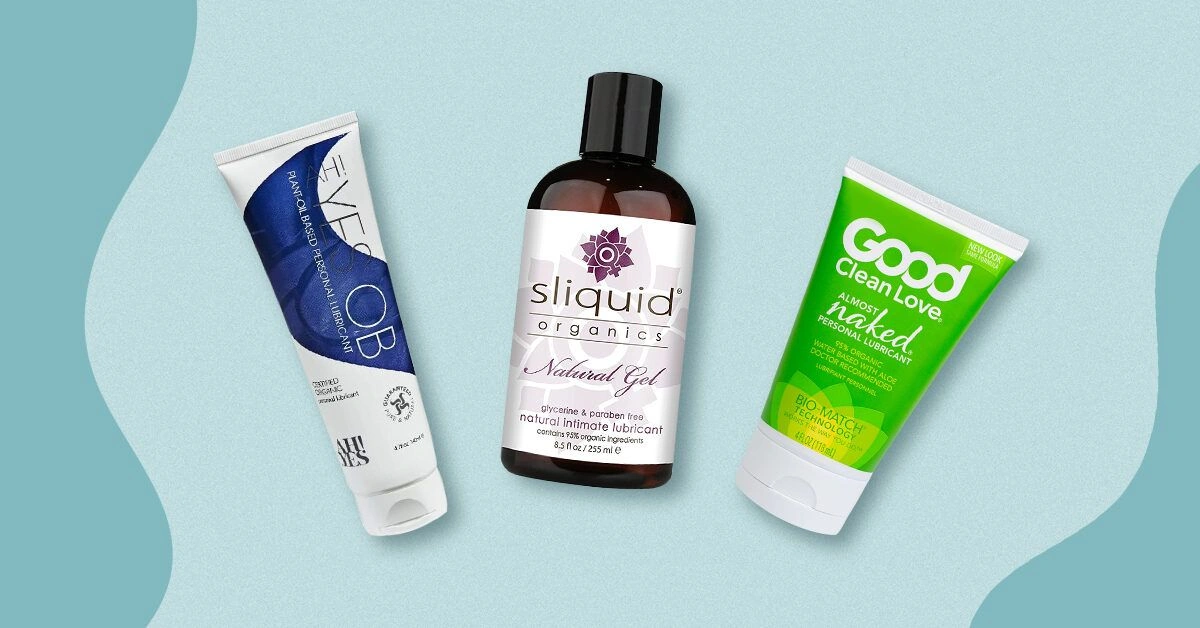
Natural lubricant products often have a shorter ingredient list compared with conventional lubricants that include synthetic chemicals. Some brands even use only vegan or certified organic components.
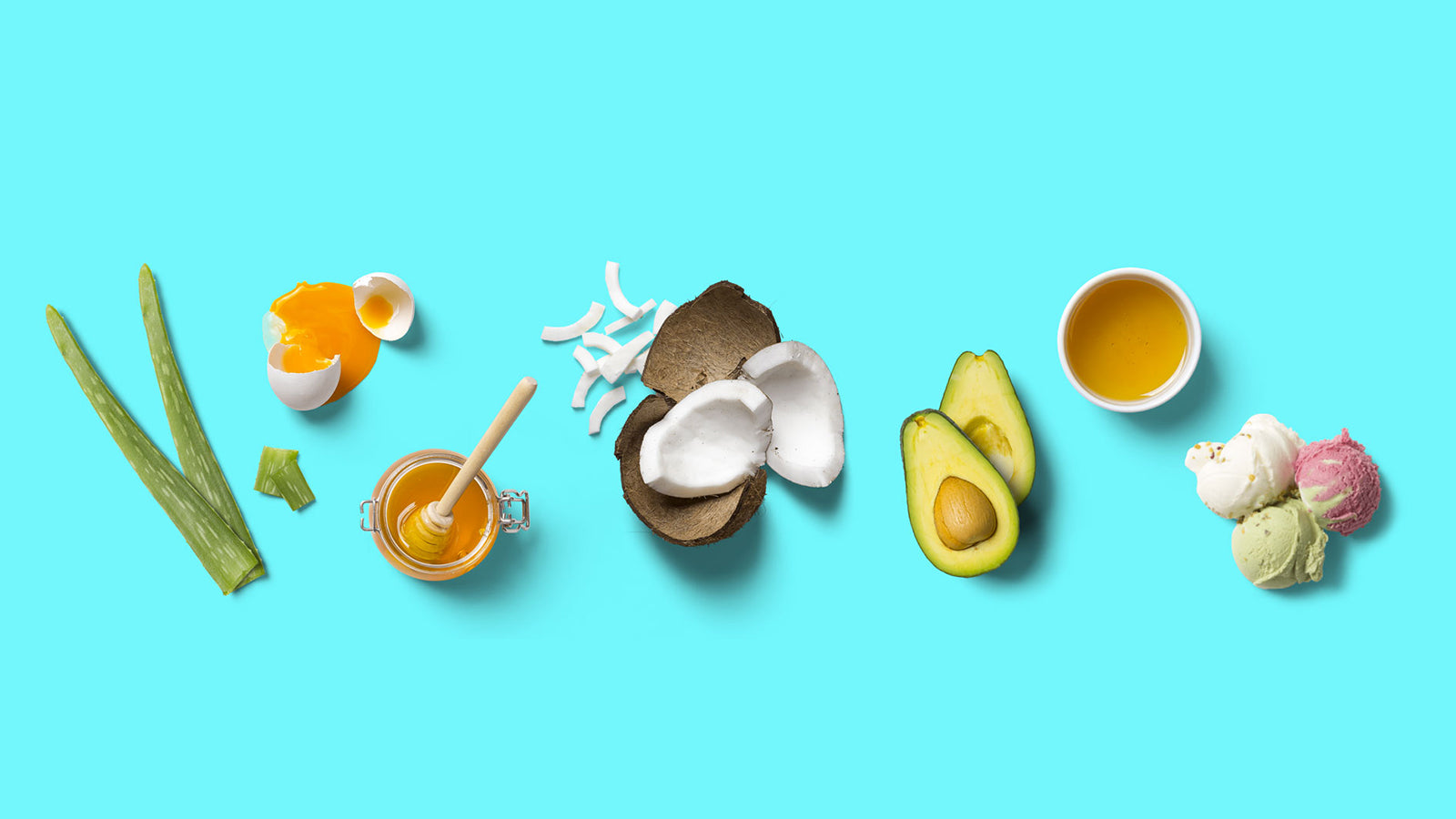
A quick look at the best natural lubes
Amazon One Medical
- Specialties:primary care, urgent care, sexual health, chronic condition management, mental health, hair loss, acne treatment
- Prescribes medication:yes
- Accepts insurance:yes
What does ‘natural’ and ‘organic’ mean?
Many people pick a natural lubricant to avoid placing harsh or potentially unsafe compounds on delicate tissues, such as vaginal or anal mucosa.
The definition of a natural lubricant can be flexible. When selecting a lube, you may want to steer clear of certain chemicals and additives you also avoid in foods, cosmetics, and hair care products.
Products with a short ingredient list are often a reliable indicator that a product leans toward being natural.
Is it identical to ‘organic’?
There’s some discussion about whether “natural” automatically equates to “organic.”
Organic components are generally considered to be grown and processed without synthetic chemicals, artificial fertilizers, or added hormones.
For example, a lubricant may contain coconut oil, which is natural because it’s derived from fruit found in nature rather than synthesized in a lab.
However, that coconut oil might not be organic — it could come from coconuts cultivated with pesticides or processed using chemicals.
If you want a lube that’s both natural and organic, it’s worth checking how each ingredient is sourced.
Many experts recommend avoiding lubricants that contain parabens, petroleum, and glycerin and other sugars.
Pricing guide
- $ = under $20
- $$ = $20 to $25
- $$$ = over $25
HealthEH’s picks for the best natural lubes
As demand for natural lubes grows, more companies are offering natural choices you can buy online or at retail.
Best overall
Aloe Cadabra Personal Lubricant & Moisturizer
- Size:2.5 fl oz
- Type:water- and aloe-based
- Ingredients:
HealthEH’s review
wp:paragraph
Aloe Cadabra is a water-based formula composed of 95% organic aloe vera. This naturally derived ingredient is gentle and calming on skin.
The brand reports the lube is pH-balanced. The pH scale indicates whether a substance is acidic, neutral, or alkaline; maintaining appropriate pH is particularly important for intimate areas.
This vegan-friendly lube is made from natural, organic components.
/wp:paragraph wp:paragraph
It’s compatible with many condoms, dental dams, and sex toys. That said, this Aloe Cadabra formulation isn’t compatible with polyurethane condoms.
The manufacturer notes that the product does not include:
- parabens
- petroleum
- silicone
- phenoxyethanol
- glycerin
- glucose
- propylene glycol
- chlorhexidine
/wp:paragraph
Pros & cons
- safe with natural rubber, latex, and polyisoprene condoms
- 100% vegan and edible
- free from parabens, petroleum, and silicone
- not compatible with polyurethane condoms
- safe with natural rubber, latex, and polyisoprene condoms
- 100% vegan and edible
- free from parabens, petroleum, and silicone
- not compatible with polyurethane condoms
Product details
- Returns :no returns
- Shipping :free shipping for Prime members
- Returns :no returns
- Shipping :free shipping for Prime members
Best value
Good Clean Love Almost Naked Personal Lubricant
- Size:4 fl oz
- Type:water-based
- Ingredients:
HealthEH’s review
wp:paragraph
This Almost Naked formula is free from parabens, synthetic fragrances, and glycerin. It’s also safe for use with condoms and toys.
/wp:paragraph wp:paragraph
It carries a faint lemon and vanilla scent from natural flavorings, so if you need something completely fragrance-free, this might not be ideal.
The brand states their patented formula may help protect and stabilize vaginal moisture, lower pH to an optimal range, and support healthy bacteria.
Good Clean Love claims this blend is moisturizing, suitable for sensitive skin, helps maintain pH balance, and is safe for use during pregnancy.
As always, if you have concerns, review the ingredient list and consult a healthcare provider before using a new product, especially during pregnancy.
This is the least expensive lubricant on our list and is a good pick if affordability is your priority.
/wp:paragraph
Pros & cons
- budget-friendly
- condom- and toy-safe
- the scent and flavor may not appeal to everyone
- budget-friendly
- condom- and toy-safe
- the scent and flavor may not appeal to everyone
Product details
- Returns :no returns
- Shipping :free shipping for Prime members
Women-Founded
- Returns :no returns
- Shipping :free shipping for Prime members
Women-Founded
Best dual purpose
Ah! Yes! OB Natural Plant Oil-Based Personal Lubricant
- Type:plant oil-based
- Size:4.73 fl oz
- Certifications:Guaranteed Pure & Natural certified, Soil Association Organic certified, Vegetarian Association Approved, Good Shipping Guide Ethical, Made Safe certified
HealthEH’s review
wp:paragraph
AH! YES products are certified organic and include ingredients such as aloe vera, sunflower seed oil, and vitamin E.
The company notes this product is compatible with silicone toys and suitable for water play.
/wp:paragraph wp:paragraph
Remember these are oil-based lubricants. Oil-based products are not suitable with latex items like condoms, so choose a water-based option if you rely on latex protection.
This unscented Organic Lubricant also serves as a massage oil, offering added flexibility.
/wp:paragraph
Pros & cons
- can also be used for massage
- certified organic
- long-lasting
- some users report an initially grainy texture
- not safe with condoms
- can also be used for massage
- certified organic
- long-lasting
- some users report an initially grainy texture
- not safe with condoms
Product details
- Returns :free returns
- Shipping :free delivery on orders over $25
Women-Founded
- Returns :free returns
- Shipping :free delivery on orders over $25
Women-Founded
Best luxury option
Uberlube Silicone Lubricant
- Size:1.86 fl oz
- Type:silicone-based
- Ingredients:
HealthEH’s review
wp:paragraph
Seeking a premium lube? Überlube is a high-end option that contains only four ingredients.
/wp:paragraph wp:paragraph
It costs more than many alternatives, but if you have sensitivities or a history of irritation, this may help reduce uncomfortable reactions.
/wp:paragraph wp:paragraph
It’s safe with latex condoms but should not be used with silicone toys.
This natural-feeling lubricant is unscented and unflavored and can be used in water. The manufacturer suggests it won’t leave residue in pools, lakes, or tubs.
Überlube’s premium formula is latex-compatible and is free from:
- animal products
- parabens
- alcohol
- gluten
- glycerin
/wp:paragraph
Pros & cons
- suitable for underwater use
- non-sticky
- the company says it won’t stain
- not for use with silicone toys
- more costly
- suitable for underwater use
- non-sticky
- the company says it won’t stain
- not for use with silicone toys
- more costly
Product details
- Returns :no returns
- Shipping :free shipping for Prime members
- Returns :no returns
- Shipping :free shipping for Prime members
How we chose
We reviewed many natural lubricants before assembling our final recommendations. Here’s what guided our selections:
- Price: The list includes options across price ranges to fit different budgets.
- Ingredients: We favored products that use safe, natural ingredients without refined oils or harsh chemicals, prioritizing formulations unlikely to irritate skin.
- Reviews: We read user feedback carefully to gauge real-world performance, not just brand claims. Only products with strong user reviews made the cut.
- Quality brands: We selected reputable brands known for producing reliable products and providing good customer service.
Comparison of the best natural lubes
Below are our top selections for natural lubricant alternatives:
| Type | Price | Ingredients | |
|---|---|---|---|
| Aloe Cadabra | water-based | $26.14 | Organic aloe barbadensis leaf juice, Vitamin E oil (mixed tocopherols), Xanthan gum, Citric acid, Food grade sodium benzoate, Food grade potassium sorbate, Organic vanilla flavor oil |
| Good Clean Love | water-based | $23.64 | Organic aloe barbadensis leaf juice, Xanthan gum, Lactic acid, Natural flavor, Potassium sorbate, and Sodium benzoate |
| AH! YES | oil-based | $28.99 | Organic helianthus annuus (sunflower) seed oil, Organic butyrospermum parkii (shea butter), Organic prunus dulcis (sweet almond oil), Organic cera alba (bees wax), Organic theobroma cacao (cocoa) seed butter, Tocopherol (vitamin E) |
| Überlube | silicone-based | $23.65 | Dimethicone, Dimethiconol, Cyclomethicone, Tocopherol acetate (citamin E) |
Types of natural lubricants
Several factors come into play when picking a natural lube, including the type of base. Common categories include:
- Water-based lube: These are versatile, hydrating, and generally condom-friendly. They’re also easy to wash off. Be mindful of added ingredients in water-based lubes that could irritate or provoke infections.
- Oil-based lube: Many natural oils provide long-lasting moisture but aren’t suitable for latex products.
- Silicone-based lube: Silicone lubricants can be compatible with many condom types but should not be used with silicone sex toys.
DIY alternatives to consider
You might not need to buy anything — there are several natural options you could already have at home.
Different household items work better for some people than others; read on for DIY ideas.
Oils
Oil-based lubricants can add moisture and reduce friction. Note that many oils are comedogenic (they can clog pores), which may be relevant depending on your skin. Also, most oils should not be used with latex items like condoms because they can degrade the material.
Some natural oils that could serve as a lube alternative include:
- Sweet almond oil: Moisturizing and potentially soothing for dry, sensitive skin. Almond oil is edible, making it an option for oral or anal play. Research suggests it may help calm skin.
- Virgin coconut oil: Unrefined coconut oil is minimally processed and a common natural choice. It absorbs into skin, so it won’t leave heavy residue, and it has reported antimicrobial and antifungal properties. Be aware it can stain fabrics.
- Avocado oil: Smooth and long-lasting with little taste or scent, sometimes used for oral play. Some users find it less effective than coconut or almond oil.
- Olive oil: Readily available and moisturizing, though it isn’t absorbed quickly and may clog pores if not washed off.
- Hemp seed oil: Increasingly popular for skin benefits, with possible anti-inflammatory properties and a favorable fatty-acid profile for sensitive skin.
Those with nut allergies should avoid almond and possibly coconut oil. If you’re uncertain, consult a healthcare provider for guidance.
Aloe vera
Aloe vera is well known for soothing sunburns. A 2020 review found aloe vera has anti-inflammatory, antimicrobial, and wound-healing properties.
As a lube, it can moisturize and reduce irritation.
Because aloe vera is water-based, it’s generally safe with condoms. Watch for aloe products that include added ingredients, such as alcohol, which could be drying.
Ghee
Ghee is clarified butter commonly used in South Asian cuisine.
It’s gaining attention as a topical option for its purported healing benefits, such as managing certain skin conditions.
Ghee can moisturize and soothe sensitive areas and is palatable for oral sex.
However, ghee can weaken condoms and, as a dairy product, may not be ideal for prolonged use.
Because it’s clarified (milk solids removed), ghee is less prone to rancidity than regular butter and can be kept unrefrigerated for a while.
Nagaimo
Nagaimo is a yam used in East Asian cuisines. It may offer antioxidative and anti-inflammatory effects and is known for its slippery, mucilaginous texture, which can reduce friction.
You may need to combine nagaimo with another ingredient like coconut oil to create a longer-lasting blend; in that case avoid using condoms.
Although household items can work as lubricants, many lack clinical research for intimate use. Use them carefully and stop if irritation appears.
DIY alternatives to avoid
Before you raid the kitchen, know there are several items that aren’t safe to use as lube.
Baby oil
Avoid products based on petroleum or mineral oil, including baby oil.
Vaginal use of baby oil may raise the risk of infections like bacterial vaginosis. One small study also linked baby oil use to higher rates of rectal infections.
Baby oil is difficult to wash off and can degrade condoms and some sex toys.

Petroleum jelly is difficult to wash off and can degrade condoms and some sex toys.
Petroleum jelly
Petroleum jelly can make skin feel soft, but it’s not ideal as a lubricant.
It’s greasy rather than slippery, sticks to skin and fabrics, and is not safe with condoms.
A study found intravaginal use of petroleum jelly was associated with increased likelihood of bacterial vaginosis in a multivariable analysis.
Vegetable, canola, and other refined oils
Not all kitchen oils are suitable for intimate use. Refined and hydrogenated cooking oils like vegetable and canola oil undergo heavy processing, including heating, bleaching, and chemical treatments.
That’s why many experts recommend unrefined oils, such as extra virgin olive oil, when choosing products for skin contact.
What about essential oils?
Although you might consider adding essential oils to DIY lube, caution is advised.
When applied to internal areas (mouth, vagina, anus), essential oils are absorbed and ingested by the body.
Essential oils are not consistently regulated for internal use and can sometimes cause rashes or be toxic if swallowed or absorbed. The International Federation of Aromatherapists warns some essential oils can damage organs when ingested.
Therefore, avoid internal use of essential oils unless you have advanced training or are supervised by a qualified professional.
If you use essential oils topically, always dilute them in a carrier oil like coconut oil. A small amount goes a long way; typical dilutions range from 1% to 4%, depending on the specific oil.
You shouldn’t use essential oils internally unless you’ve undergone advanced training and certification or are acting under the guidance of a trained professional.
When to stop use and see a doctor
Natural doesn’t always equal safe.
Avoid ingredients that you or a partner are allergic to.
If you’re unsure about a new lube, perform this patch test before using it internally:
- Wash a patch of skin (such as inside the elbow) with unscented soap and pat dry.
- Apply a few drops of the lube to that area.
- Cover with a bandage.
- Wait 24 hours, then remove the bandage and check for a reaction.
Don’t use the lube if redness, swelling, itching, blistering, or discoloration appears on the test patch.
If a reaction occurs before 24 hours, wash the area immediately with soap and warm water.
Seek medical attention if you experience:
- difficulty breathing
- swelling of the tongue, throat, or face
- hives
- rash
- intense itching
Also contact a clinician if you develop symptoms of yeast infection or bacterial vaginosis.
Frequently asked questions
What is the best natural lubricant?
The best natural lubricant depends on your needs. Some prefer water-based formulas for versatility, while others choose a silicone option like Überlube for water activities. Aloe Cadabra is our top overall natural pick because it uses organic ingredients, works with most condoms, and excludes many synthetic additives.
The best natural lubricant depends on your needs. Some prefer water-based formulas for versatility, while others choose a silicone option like Überlube for water activities. Aloe Cadabra is our top overall natural pick because it uses organic ingredients, works with most condoms, and excludes many synthetic additives.
What is a good substitute for lube?
Aloe vera is a solid water-based substitute that can act as a natural lubricant and is safe with condoms. Oil-based options like unrefined coconut oil or olive oil may also work but can stain fabric and are not compatible with condoms.
Aloe vera is a solid water-based substitute that can act as a natural lubricant and is safe with condoms. Oil-based options like unrefined coconut oil or olive oil may also work but can stain fabric and are not compatible with condoms.
Can I use coconut oil as lube?
Unrefined coconut oil can function as a natural lubricant for some people thanks to its moisturizing qualities. However, there’s limited research on coconut oil as a personal lubricant. Potential drawbacks include:
- causing allergic reactions in some individuals
- staining sheets and clothing
- raising the risk of vaginal infections due to higher pH
- incompatibility with condoms
Unrefined coconut oil can function as a natural lubricant for some people thanks to its moisturizing qualities. However, there’s limited research on coconut oil as a personal lubricant. Potential drawbacks include:
- causing allergic reactions in some individuals
- staining sheets and clothing
- raising the risk of vaginal infections due to higher pH
- incompatibility with condoms
The bottom line
You likely pay attention to what you eat, so it makes sense to consider what you apply to sensitive areas.
Choosing natural, minimally processed, and responsibly sourced ingredients can help protect your health and comfort while also supporting environmental considerations.





















Leave a Reply
You must be logged in to post a comment.