
If cannabis isn’t legal where you live, don’t buy THC-containing products unless you have a medical card.
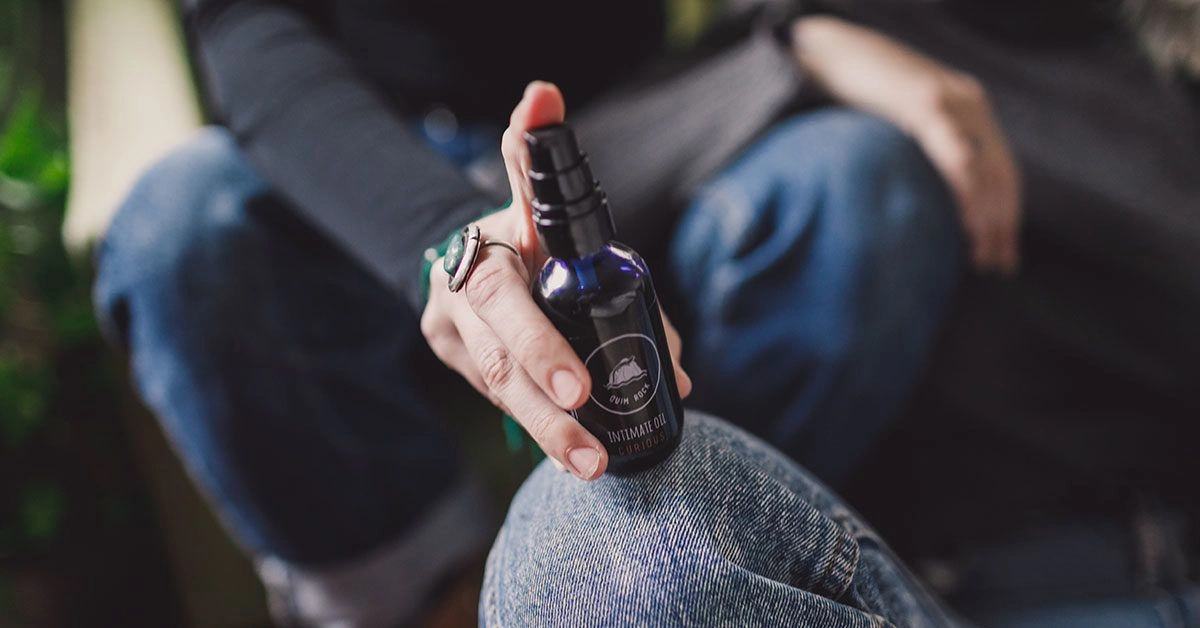
Those were some of the questions racing through my mind as my partner excitedly tore into a bottle of Quim Rock’s Intimate Oil. (The term “quim” is 17th-century slang for “vagina.”) After four years together, things aren’t as steamy as they were when we first started dating and weren’t sharing bathroom schedules. In an attempt to rekindle our spark (a mission we affectionately named “Project Spice”), we’ve tried everything from Masters and Johnson’s Sensate Focus exercises to far less clinical approaches, like chocolate syrup, Velcro cuffs, and matching underwear sets (sometimes small gestures matter).

Quim Rock’s lubricant is coconut oil–based and blended with tea tree oil and tetrahydrocannabinol (THC), the psychoactive part of cannabis that’s said to boost libido, sensitivity, and orgasms. The brand claims that tea tree oil qualifies the product as a “vaginal health supplement,” citing the oil’s antifungal and antiseptic qualities that may help ward off urinary tract and yeast infections.
This promise of usefulness for both sexy times and less glamorous moments (i.e., between-the-sheets pleasure and itch relief) made it easier to justify the $50 price. The exuberant testimonials on Quim Rock’s site, which describe the oil as “pure magical gold in a bottle” among other accolades, were persuasive too. A bit doubtful but mostly intrigued, I bought a bottle to test it out.
As someone who’s chronically anxious and always in their head, the sensation I experienced helped me tune into my body — not my racing thoughts.
It feels like foreplay for foreplay
“So, how is it?” my partner asked as they carefully dispensed six to eight pumps across my inner and outer labia, clitoris, and vaginal opening. (Quim Rock advises six to eight pumps of Intimate Oil, which equals roughly 8 to 10 milligrams of THC.)
On application it felt cool and refreshing. About ten minutes later I noticed increased slickness. You know that instinctive awareness when things are visibly slippery down there without a fingertip check? That’s what it felt like. As for arousal, I felt more eager to get intimate roughly thirty minutes after applying. I’ve used other lubricants that provided similar moisture but none made me this enthusiastic about getting down to business. Maybe Quim Rock did elevate my libido a notch.
Topical THC doesn’t produce the same high you’d get from inhaling or eating cannabis, so while my vulva and vagina didn’t feel “stoned,” my clitoris became substantially more sensitive. I asked my partner to take it slow during stimulation, which made foreplay exceptionally languid and sensual. There was a gentle warmth below, likely from increased blood flow, but it never felt painful or as if my vagina were overheating. It was more like opening my legs to the sun on a beach and letting everything bask in a cozy glow.
Being someone prone to anxiety and overthinking, this sensation pulled my focus away from mental noise and toward my physical experience. I forgot about moving laundry to the dryer or fretting over taxes. Instead I tuned into sensation and relaxed into the moment.
Sometimes my pelvic floor tightens in anticipation of penetration, which can cause discomfort. During this session, I felt no pain. My partner’s penis practically slid into my vagina thanks to the added lubrication and my now-relaxed muscles. Intercourse felt more intense than usual, perhaps because we slowed our pace. When it came to orgasm (I typically don’t climax from penetration alone, so my partner often switches to manual or oral stimulation), I reached climax much sooner than normal. The shift from penetration to oral stimulation was intensely vivid, producing a potent, deep orgasm.
Sex, science, and THC
- Studies indicate that topical THC formulations like creams, gels, and oils can be absorbed through skin and mucous membranes, including the vagina. Yet there’s no definitive proof that they improve sexual outcomes, such as increasing libido, amplifying orgasms, or easing vaginal pain. While research suggests the endocannabinoid system that responds to cannabis is linked to female sexual function, further investigation is required to understand THC’s effects and long-term use fully.
Good sex contributes to health, but what about the rest of the vagina?
Obviously pleasurable sex and orgasms are part of vaginal wellness. But how accurate are Quim Rock’s “vaginal health supplement” claims outside the bedroom? It was important to me that Intimate Oil be useful in everyday care as well, especially given the cost. Since getting this bottle, I’ve been putting one to two pumps on my vulva and vaginal area as part of my morning routine. (Six to eight pumps, as recommended, gives intense lubrication and heightened sensation, which I don’t want before morning meetings.)
My vulva also sweats more than other areas when I exercise. A daily one- or two-pump application has kept the region less odorous after yoga. I suspect the tea tree oil may inhibit bacterial growth that contributes to smell. A 2015 study points to tea tree oil’s potential in treating stubborn yeast infections, but mainly when used alongside other medications. Broadly speaking, conclusive evidence that tea tree oil alone prevents or cures vaginal infections is lacking.
One clear benefit I’ve noticed: fewer ingrown hairs in that area. My skin appears smoother and less bumpy since I began using Intimate Oil. Redness or irritation tends to fade within minutes after application.
I appreciate having a product dedicated to one of the most private parts of my body. Intimate Oil offers a tingle without stinging and is deeply hydrating. If I use products for my armpits and brows, why not for my vulva too?
Topical THC levels are typically much lower than those in inhaled or edible forms. The Drug Policy Alliance notes that THC in topicals isn’t released directly into the bloodstream.
Does your vagina want a little THC TLC?
Even though many of Quim Rock’s promised perks—like boosted libido and fewer UTIs—remain medically unproven, my personal experience largely aligned with their claims.
Consider Intimate Oil if you struggle with:
- vaginal dryness
- difficulty focusing or getting out of your head during sex
- pain during intercourse
- heightened vulvar and vaginal sensitivity
- looking for a product to generally care for your vulva and vagina
- occasional odor, irritation, or itchiness
- vulvar ingrown hairs
- yeast or urinary tract infections
Use cautiously: Because Intimate Oil is coconut oil–based, avoid latex condoms when using it during sex; oil can degrade latex and cause breakage. Choose a polyurethane condom instead. Oil-based lubricants can also leave residue in the vagina and rectum, which may increase bacterial risk if not cleaned properly.
Since the product contains THC, Quim Rock’s Intimate Oil is only sold in California. That’s partly due to laws restricting topical THC purchases to states where marijuana is legal (THC is derived from cannabis). If cannabis is legal in your state, a licensed dispensary or delivery service is the best route to find products like Quim Rock Intimate Oil.
For me, my partner, and Project Spice, the $50 purchase felt worthwhile. Has it reignited our entire physical relationship? No — it’s not a miracle fix. But it did spark a little heat, something that flashy condoms and skimpy outfits (which often left me feeling insecure rather than empowered) failed to do. The generous bottle size should last a while and, hopefully, lead to many more satisfying conclusions.





















Leave a Reply
You must be logged in to post a comment.