

Staying physically active, managing daily stress, and making thoughtful adjustments to your nutrition and overall lifestyle may help promote male fertility. In addition, certain dietary supplements are sometimes used to support sperm count and reproductive health.
Fertility describes your natural ability to conceive a child without medical intervention.
Male infertility occurs when a person assigned male at birth is unable to initiate a pregnancy with their partner after 1 year of regular, unprotected sexual activity.
In some cases, male infertility is connected to sexual function. In others, it may relate to semen parameters. Examples include:
- reduced sperm count, motility, or overall quality
- low libido, also referred to as decreased sex drive
- erectile dysfunction
- low hormone levels, including testosterone and prolactin
- use of certain medications, such as steroids
Although infertility is not always reversible, there are practical steps that may increase your chances of conception and improve reproductive wellness.
Below are 10 science-backed lifestyle strategies, nutrients, and supplements that may help enhance male fertility.
1. Take D-aspartic acid supplements
D-aspartic acid (D-AA) is a form of aspartic acid, an amino acid available as a dietary supplement.
D-AA is found primarily in specific glands, including the testicles, as well as in semen and sperm cells.
Some animal studies suggest that D-AA supplementation may increase testosterone levels, the primary male sex hormone that plays a central role in sperm production and fertility.
Likewise, a 2012 study involving males with infertility found that taking 2.66 grams (g) of D-AA daily for 3 months raised testosterone levels by up to 60% and improved sperm count and motility by as much as 100%. Pregnancy rates among their partners also increased.
However, research findings are mixed.
For instance, a 2015 study in males with normal to high testosterone levels who engaged in resistance training reported that D-AA did not further increase testosterone and even reduced it at higher doses.
Consult a healthcare professional before starting D-AA supplements. More robust human studies are needed to confirm its effectiveness for male fertility.
2. Exercise regularly
Engaging in consistent physical activity has been shown to boost testosterone levels and improve semen quality.
That said, evidence regarding the optimal intensity and duration of exercise for enhancing male fertility remains inconsistent.
A 2017 research review suggested that high intensity exercise may exert a stronger positive effect on semen parameters. Conversely, a 2023 review of research indicated that excessive exercise could negatively impact male fertility.
If you are currently inactive and looking to support sperm health, consider speaking with a healthcare professional to create a balanced exercise plan tailored to your needs.
Learn more about exercise and testosterone.
3. Get enough vitamin C
Oxidative stress develops when levels of reactive oxygen species (ROS) in the body exceed healthy limits. This can occur due to chronic disease, aging, environmental toxins, or lifestyle factors.
Research indicates that oxidative stress may impair sperm quality and quantity, contributing to male infertility.
Antioxidant supplementation may help improve reproductive outcomes. In particular, vitamin C supplements may help improve semen parameters and increase pregnancy rates in partners.
Still, more research is required to fully understand the impact of antioxidants on male fertility.
4. Relax and minimize stress
Stress can reduce sexual desire, but its impact may go beyond libido.
A 2020 study found that stress and burnout were associated with erectile dysfunction and lower sexual satisfaction.
Stress has also been linked to decreased sperm quality.
This effect may be related to cortisol, commonly called the stress hormone. Chronic stress elevates cortisol levels, which can negatively influence testosterone production.
Strategies that may help lower stress include:
- going for a walk outdoors
- practicing meditation or deep breathing
- engaging in regular exercise
- journaling
- talking with a trusted friend, family member, or healthcare professional
Learn more about 16 ways to help reduce stress levels.
5. Get enough vitamin D
Some research has identified a connection between low vitamin D levels and reduced testosterone, which may influence male fertility.
However, a 2020 research review concluded that although vitamin D contributes to testicular and prostate function, supplementation does not provide clinically significant increases in testosterone.
Before taking vitamin D to address low testosterone, consult a healthcare professional to explore the most appropriate option for your situation.
6. Try Tribulus terrestris
Tribulus terrestris, also known as puncture vine, is a medicinal herb often used to support male reproductive health.
A 2016 test-tube study involving 40 males reported that adding 40 and 50 μg/mL of Tribulus terrestris extract to sperm samples improved motility and fertility potential.
In a 2017 study of men with infertility, taking Tribulus terrestris for 12 weeks enhanced erectile function but did not affect testosterone levels.
Although these findings are encouraging, more human research is necessary to determine its effectiveness for male infertility.
7. Take fenugreek supplements
Fenugreek (Trigonella foenum-graecum) is widely used as both a culinary spice and a medicinal herb.
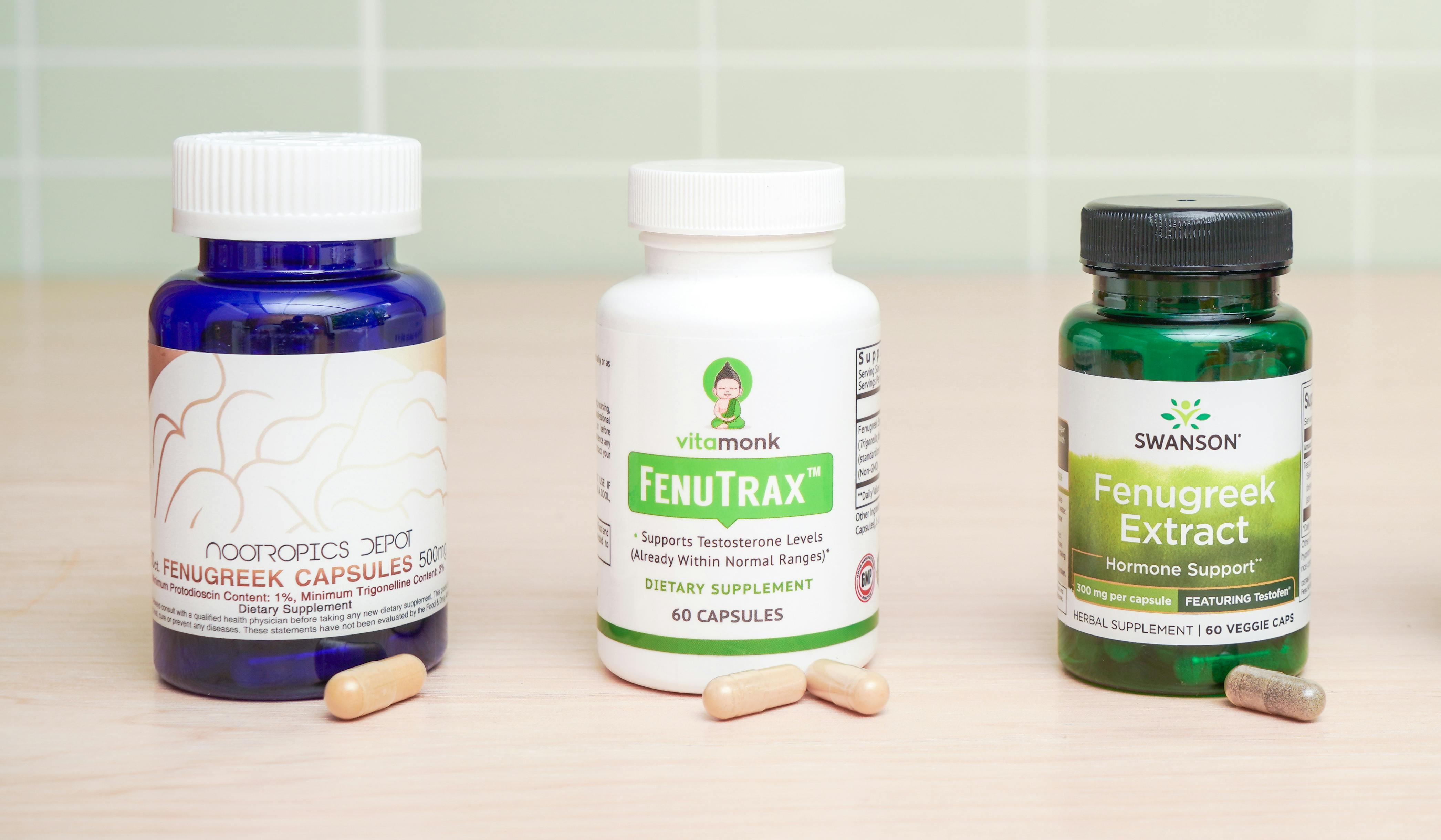
A 2020 research review found that fenugreek supplementation significantly improved male testosterone levels.
Similarly, a 2016 study involving 120 males demonstrated that taking 600 mg of Testofen, a supplement derived from fenugreek seed extract and minerals, daily for 3 months improved self-reported erectile function, sexual activity frequency, and testosterone levels.
These studies focused on fenugreek extracts. Whole fenugreek used in cooking or herbal tea is unlikely to produce the same effects.
8. Get enough zinc
Zinc is an essential mineral abundant in animal-based foods such as meat, fish, eggs, and shellfish.
Adequate zinc intake is fundamental to male fertility.
Observational studies show that low zinc status or deficiency is associated with low testosterone levels, impaired sperm quality, and a higher risk of male infertility.
Research also suggests that zinc supplementation may increase testosterone levels and sperm count in individuals with low zinc levels.
9. Consider ashwagandha
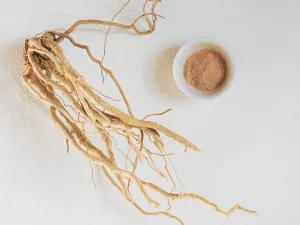
Ashwagandha (Withania somnifera) is a traditional medicinal herb that has been used in India for centuries.

A 2013 study in males with low sperm counts found that taking 675 mg of ashwagandha root extract daily for 3 months significantly improved fertility outcomes.
Specifically, participants experienced:
- a 167% increase in sperm count
- a 53% increase in semen volume
- a 57% increase in sperm motility
A 2022 research review conducted by the American Urological Association (AUA) reported that ashwagandha increased testosterone levels by an average of 14% across 3 small studies compared with placebo.
Because many people wonder, Can you take Ashwagandha Maca and Fenugreek together to support reproductive health? While these herbs are often combined in male fertility supplements, it is important to consult a healthcare professional before using them together to ensure safety and appropriate dosing. You can also explore What is Ashwagandha maca fenugreek good for for a deeper understanding of their combined uses.
10. Eat maca root
Maca root is a plant native to central Peru and has traditionally been used to enhance libido and fertility.

A 2015 study found that taking 1.75 g of maca root powder daily for 3 months increased sperm count and motility in healthy males.
Additionally, a 2019 research review noted that certain animal studies have shown beneficial effects of maca root on sperm quality, quantity, libido, and genital disorders.
However, the AUA points out that only one study evaluated maca root for erectile dysfunction, and the findings were not significant.
When considering herbal combinations for reproductive wellness, some individuals ask, Can you take Ashwagandha Maca and Fenugreek together for synergistic effects? Although these botanicals are frequently marketed together for hormone balance and libido support, more high-quality human research is needed. Those interested in women’s hormonal balance can review Ashwagandha Maca Fenugreek benefits for woman for additional context.
Further human studies are necessary to confirm maca root’s role in improving male fertility.
Other tips
Multiple factors can influence fertility outcomes, and effective strategies often depend on the underlying cause of infertility.
In general, habits that enhance overall health are likely to benefit reproductive function as well.
Additional measures that may include:
- maintaining a weight that is healthy for you
- following a nutrient-dense, balanced diet
- engaging in regular physical activity
- quitting smoking if you smoke
- reducing excessive screen time and heat exposure to the groin area
- limiting alcohol intake
If lifestyle modifications do not improve fertility, consider speaking with a healthcare professional for individualized evaluation and guidance.
Frequently asked questions
How do I increase my sperm count naturally?
Ways to naturally support sperm count include staying physically active, maintaining a healthy weight, addressing nutrient deficiencies, managing stress, and quitting smoking if you smoke.
What increases sperm fast?
There is no quick fix for rapidly increasing sperm quantity. If you are experiencing infertility, a healthcare professional can help develop a personalized plan based on your medical history and lab results.
What foods build more sperm?
Research suggests that several food groups may support sperm quality, including fruits and vegetables rich in antioxidants, nuts, lean proteins such as fish and chicken, and low fat dairy products.
Takeaway
Infertility is common and affects many individuals worldwide.
If you are facing fertility challenges, focusing on lifestyle habits that strengthen overall health may be beneficial. Many of the strategies outlined above form the foundation of a health-promoting routine.
Although there is no guaranteed solution, addressing nutrient deficiencies, hormonal imbalances such as low testosterone, and chronic stress may improve your chances of conception.





















Leave a Reply
You must be logged in to post a comment.