Does Ashwagandha Make You Fertile? 7 Things to Know About This Herb


Ashwagandha is an Ayurvedic herb recognized for its potential to support fertility. It may also help reduce stress, enhance energy levels, and strengthen immune function.
Ashwagandha (Withania somnifera) has gained widespread attention because of its possible health-promoting properties and its role in supporting overall wellness. In discussions about Ashwagandha Maca Fenugreek benefits for woman, this adaptogenic herb is often highlighted for its influence on hormonal balance, stress response, and reproductive health.
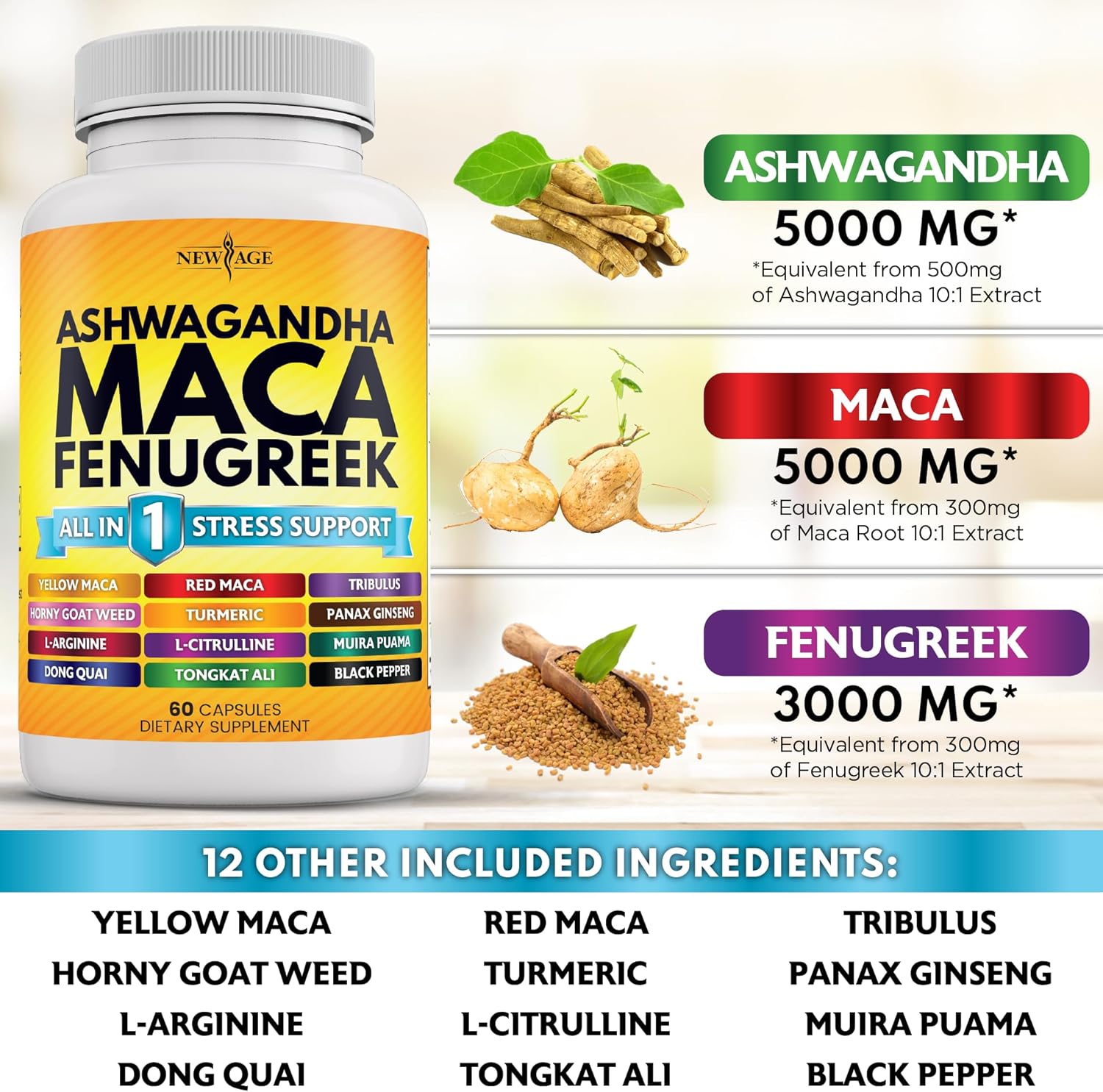
The herb may contain bioactive compounds capable of affecting multiple dimensions of fertility, from hormone regulation to improving sperm production and quality.
Classified as an adaptogen, ashwagandha is frequently viewed as a comprehensive remedy due to its systemic effects. Rather than focusing on isolated symptoms, adaptogens work across various physiological systems, encouraging balance, resilience, and improved stress adaptation.
Although ashwagandha has been used traditionally for centuries, modern scientific research is still catching up—particularly regarding its role in fertility enhancement and reproductive health optimization.
While some recent research points to promising outcomes, it’s essential to recognize that current evidence remains limited and not yet definitive. In addition, several earlier investigations were conducted on animals rather than human participants.
This article explores the potential impact of ashwagandha on fertility, including its effects on libido, hormone levels, sperm quality, and overall sexual function. If you’re also exploring broader herbal combinations, you may want to read more about What is Ashwagandha maca fenugreek good for to better understand complementary benefits.
Cortisol
Cortisol, often called the stress hormone, is associated with increased stress levels and can affect sleep, fertility, and sexual health. Elevated cortisol over time may disrupt hormonal equilibrium. Ashwagandha may help lower stress and reduce anxiety, thereby supporting reproductive function.
Findings from a small 2019 study involving individuals experiencing stress and anxiety showed that ashwagandha reduced serum cortisol levels. Participants reported significantly lower stress levels and improvements in overall quality of life. Notably, sleep quality also improved.
Participants in the study consumed 250 milligrams (mg) or 600 mg of ashwagandha root extract daily.
By supporting a healthier stress response, ashwagandha may indirectly benefit reproductive hormones and sexual wellness, which are often sensitive to chronic psychological stress.
Progesterone
There is currently limited research indicating that ashwagandha directly alters progesterone levels in humans.
However, findings from a 2016 study conducted on male rats with opioid dependence demonstrated that ashwagandha increased progesterone levels, which subsequently stimulated other sex hormones.
The herb was also associated with positive effects on testosterone, estrogen, and luteinizing hormone levels.
Because progesterone plays a vital role in menstrual cycle regulation and reproductive health, understanding its interaction with adaptogenic herbs is particularly relevant when discussing Ashwagandha Maca Fenugreek benefits for woman and hormonal balance support.
Testosterone
Results from a small 2022 study involving men with reduced sexual desire revealed a significant increase in serum testosterone levels following supplementation.
Optimal testosterone levels are important not only for sperm production but also for mood stability, energy levels, and overall vitality.
In this study, participants took 300 mg of ashwagandha root extract twice per day.
Balanced testosterone levels contribute to reproductive health in both men and women, reinforcing why adaptogenic herbs are frequently discussed in the context of natural fertility support.
Sexual desire
Ashwagandha’s potential influence on sexual desire may indirectly promote fertility by regulating hormones, easing stress, and enhancing emotional well-being.
Research from 2022 underscores the beneficial effects of ashwagandha on sexual health in women diagnosed with hypoactive sexual desire disorder (HSDD).
The study demonstrated meaningful improvements in sexual desire, arousal, orgasm, and overall satisfaction.
Participants consumed 300 mg of ashwagandha root extract twice daily.
When stress reduction and hormonal balance are combined, the cumulative impact may support reproductive goals. Some individuals also consider combining adaptogens, leading to questions such as Can you take Ashwagandha Maca and Fenugreek together when seeking synergistic benefits.
Vaginal lubrication
Ashwagandha’s possible role in improving vaginal lubrication may positively affect fertility by enhancing comfort during intercourse and increasing the probability of successful conception.
A 2023 review indicates that ashwagandha may contribute to better sexual function in healthy women. Supplementation was associated with notable improvements in lubrication, orgasm, and sexual arousal.
Researchers also observed an increase in the frequency of satisfying sexual experiences.
In this review, participants took 300 mg of ashwagandha root extract twice daily.
Improved sexual comfort and arousal may indirectly support conception efforts, particularly when stress or hormonal fluctuations are contributing factors.
Sperm count and motility
Ashwagandha may help improve both sperm count and sperm motility, two essential parameters of male fertility.
Sperm count measures the total number of sperm cells in semen, while motility refers to their ability to move efficiently—an important factor for successful fertilization.
A 2018 review suggests that ashwagandha may enhance fertility by improving sperm quality markers, including count and motility.
Researchers propose that these benefits may be linked to increased enzyme activity in semen and a reduction in oxidative stress, which can otherwise impair sperm function.
By addressing oxidative stress and hormonal imbalances, adaptogens like ashwagandha may contribute to a more favorable reproductive environment.
Erectile dysfunction
Some evidence suggests that ashwagandha may assist in improving erectile dysfunction by reducing stress, supporting hormonal equilibrium, and promoting healthy circulation. However, research specifically focused on erectile dysfunction remains limited.
Ashwagandha may influence testosterone levels, which play a central role in libido and erectile function.
A 2023 study involving male rats experiencing stress and decreased sexual activity indicated that ashwagandha could improve sexual arousal and the ability to achieve and maintain an erection.
The observed benefits were attributed to modulation of biological pathways associated with stress response and sexual function.
The bottom line
Although research continues to evolve, ashwagandha appears promising for supporting several aspects of fertility, including libido, hormone levels, sperm parameters, and sexual function. It may also contribute to improved mood, energy, resilience to stress, and better sleep quality—all of which are interconnected with reproductive health.
Responses to herbs and dietary supplements can vary widely from person to person. If you are considering ashwagandha as part of your fertility or wellness routine, consult a qualified healthcare professional before making changes. Personalized guidance is especially important if you have underlying medical conditions, are pregnant or breastfeeding, or are taking prescription medications.
As interest grows in natural approaches to hormonal balance and reproductive wellness, understanding the science behind adaptogens like ashwagandha can help you make informed, evidence-based decisions.
Help Center FAQs
Ashwagandha may support female fertility by helping to reduce stress, balance hormones, and improve aspects of sexual function such as desire and lubrication, which can create a more favorable environment for conception.
The combination of ashwagandha, maca, and fenugreek is often highlighted for supporting women’s hormonal balance, energy levels, and overall reproductive wellness through their complementary adaptogenic properties.
Yes, research indicates ashwagandha can help lower serum cortisol levels, reduce perceived stress and anxiety, and improve sleep quality, which indirectly supports reproductive health.
While direct human evidence is limited, some animal studies suggest ashwagandha may influence progesterone and other sex hormones, contributing to menstrual cycle regulation and hormonal balance.
Studies show ashwagandha supplementation may improve sexual desire, arousal, orgasm, lubrication, and overall satisfaction in women, factors that are closely linked to fertility and reproductive wellness.





Related Posts
Everything You Need to Know About Borage Oil
Aug 9, 2026 • 34 min read
Does Evening Primrose Oil Safely Induce Labor?
Aug 16, 2026 • 4 min read
Health Benefits of Hawthorn Berry
Aug 24, 2026 • 11 min read
What Are Deer Antler Supplements? Health Effects and Safety
Aug 15, 2026 • 17 min read
Seed Probiotics Review 2025: A Dietitian’s Take
Aug 24, 2026 • 36 min read