
Consuming kava may help lessen anxiety or improve sleep, but it can interact with certain medicines. Also ensure your kava is made from the root only, which helps protect the liver.
Kava, sometimes called kava kava, is a plant originating from the South Pacific islands (1).
For centuries Pacific Islanders have prepared it as a ceremonial beverage to induce relaxation.
More recently, kava has drawn attention for its calming and stress-relieving effects.
However, it has also been associated with health concerns, prompting questions about its safety (1).
This article covers what you need to know about kava’s benefits and risks.
What is kava?
Kava is a tropical evergreen shrub with heart-shaped foliage and woody stems. Its botanical name is Piper methysticum.
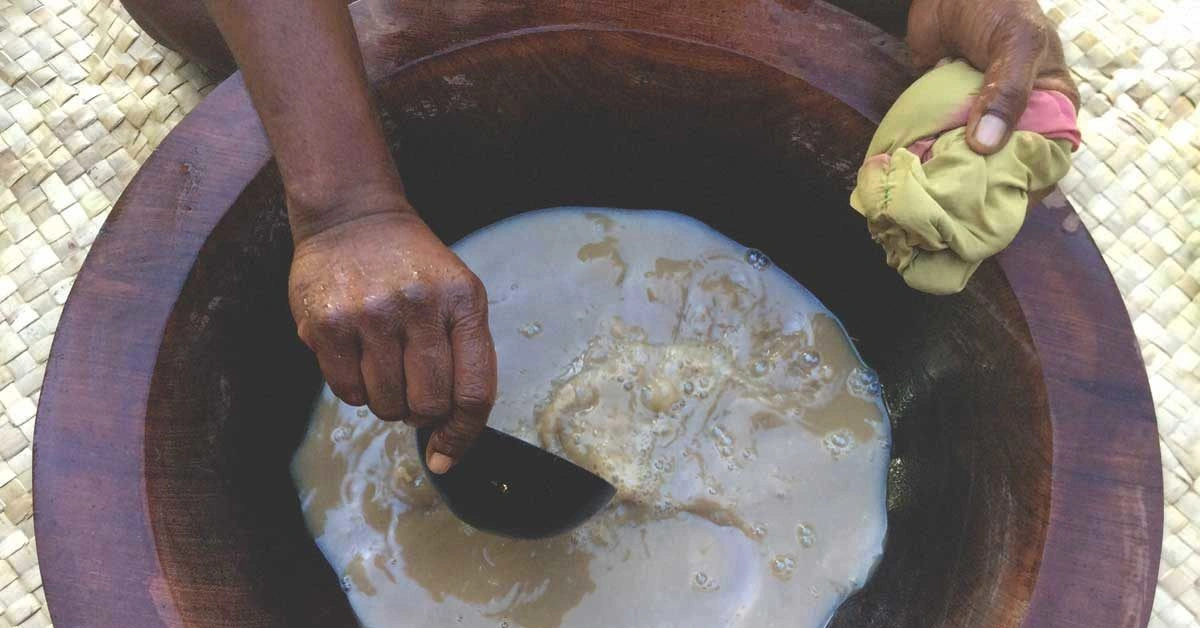
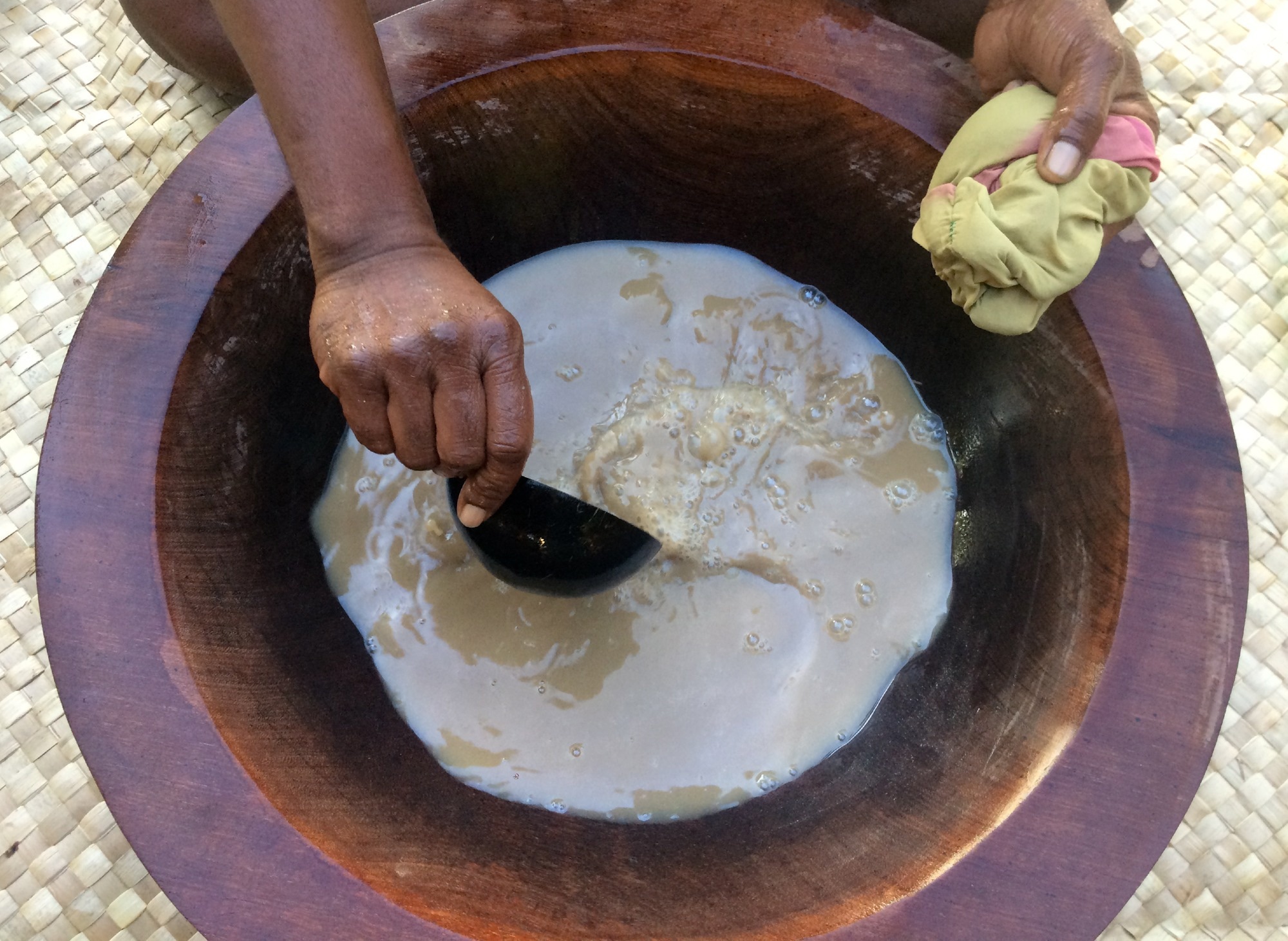
In Pacific traditions, the kava beverage is used in ceremonies and social events. To prepare it, people grind the plant’s roots into a paste.
Historically this grinding was done by chewing the roots and spitting them out, though today it is commonly done by hand (2).
The paste is then combined with water, strained, and consumed.
The active constituents are known as kavalactones, which make up about 3% to 20% of the dry weight of the plant’s roots (3).
Research suggests kavalactones may have the following effects on the body:
- reducing anxiety (4)
- protecting neurons from injury (5)
- lessening pain perception (5)
- lowering cancer risk in animal models, though evidence is limited to mouse studies (6, 7, 8, 9)
The majority of studies so far have examined kava’s potential to alleviate anxiety.
How kavalactones exert these effects is not fully clear, but they seem to influence brain neurotransmitters. Neurotransmitters are chemicals nerves release to communicate.
One such neurotransmitter is gamma-aminobutyric acid (GABA), which reduces neural activity (10, 11).
Kava can help reduce anxiety
Anxiety disorders are among the most prevalent psychiatric conditions and are commonly treated with psychotherapy, medications, or both (12, 13).
Many medications are available, but some carry unwanted side effects and can cause dependence (14).
This has increased interest in seemingly safer, natural alternatives like kava.
The first long-term trial evaluating kava extract in people with anxiety was published in 1997 (15).
Compared with placebo, it notably lowered participants’ reported anxiety levels.
The investigators also reported no withdrawal or dependence-related side effects, which are often seen with other anxiety medications (14).
Since then, multiple studies have shown kava’s benefits for anxiety. A review of 11 trials concluded that kava extract is an effective anxiety treatment (16).
Another review focusing on a particular kava extract reached a similar conclusion, suggesting it could serve as an alternative to some anxiety medications and certain antidepressants (17).
More recent studies continue to support kava’s effectiveness for anxiety (18, 19, 20).
Kava may improve sleep
Poor sleep is associated with numerous health problems, including hypertension, diabetes, depression, obesity, and cancer (21, 22, 23, 24).
Because of this, many people use sleep medications, which like anxiety drugs, can be habit-forming and lead to dependence (25).
Kava is often used as an alternative to these medications because of its calming qualities.
In one trial with 24 participants, kava reduced stress and insomnia compared with placebo (26).
However, both participants and researchers knew who received kava or placebo, which could introduce bias.
Even so, a later, higher-quality study found kava superior to placebo in improving sleep quality and lowering anxiety (27).
Interestingly, kava’s benefit for insomnia may be secondary to its anxiety-reducing effect.
Since stress-related insomnia commonly accompanies anxiety, treating the anxiety with kava may help restore sleep (27).
It’s unclear how kava affects sleep in people without anxiety or stress-related insomnia.
Also, kava can cause drowsiness, but data are limited on whether it impairs driving. Use common sense and caution (28).
Forms of kava
Kava is available as tea, capsules, powder, or liquid.
Except for kava tea, many products are produced from concentrated extracts where kavalactones are pulled from the plant’s root using ethanol or acetone (3).
Kava tea
Tea is the most common kava preparation for anxiety because it’s widely accessible.
It’s sold alone or combined with other relaxing herbs and is brewed with hot water.
Look for kava teas that disclose kavalactone content and list all ingredients.
Avoid products labeled as “proprietary blends,” since you won’t know how much kava they contain.
Kava tincture or liquid
This liquid form is sold in small bottles, typically 2 to 6 ounces (59 to 177 milliliters). It can be taken with a dropper or mixed into juice or another beverage to mask its whiskey-like flavor.
Only use small amounts, as tinctures and liquids are concentrated and therefore more potent than other forms.
Kava capsules
People who dislike kava’s taste can use capsules.
Like with tea, choose products that specify kavalactone content. For example, a capsule might contain 100 milligrams (mg) of kava root extract standardized to 30% kavalactones.
Knowing this helps you avoid taking too much or too little kavalactones.
Dosage
Experts advise keeping daily kavalactone intake at or below 250 mg (29, 30).
An effective range of kavalactones is 70 to 250 mg (18, 19, 20).
Supplements may list kavalactone content in milligrams or as a percentage. If given as a percentage, calculate the actual amount.
For instance, if a capsule contains 100 mg of kava extract standardized to 30% kavalactones, it contains 30 mg of kavalactones (100 mg x 0.30 = 30 mg).
To reach an effective dose within 70 to 250 mg, you’d need at least three capsules of that formulation.
Most kava root extracts contain 30% to 70% kavalactones (3).
Side effects
Although kava can help with anxiety, many are worried about possible adverse effects.
In the early 2000s, several cases of liver toxicity tied to kava use were reported (31).
The U.S. Food and Drug Administration (FDA) later issued a warning about liver damage risk from kava-containing products (32).
Use has been banned or restricted in several countries, including Germany, Switzerland, France, Canada, and the United Kingdom.
Germany’s ban was subsequently lifted due to weak evidence of associated risk (33).
Kava may harm the liver through multiple mechanisms, including interactions with other drugs.
The liver enzymes that metabolize kava also process many other medications. Kava can occupy these enzymes and prevent them from metabolizing other drugs, leading to accumulation and potential liver injury (34).
Adulteration during processing is another proposed reason for unsafe kava products (35, 36).
Some manufacturers substitute other plant parts, like leaves or stems, instead of roots to cut costs. Leaves and stems are known to be more hepatotoxic (37, 38).
Still, several analyses of trials have found no evidence of liver injury in people using kava for short periods (about 1 to 24 weeks) (16, 17).
Thus, individuals without preexisting liver disease and those not taking liver-affecting medications may be able to use kava safely at appropriate doses for roughly 1 to 2 months (3).
The bottom line
Kava has a long tradition of use in the South Pacific and is considered a pleasant, safe beverage in that context.
The plant’s roots contain kavalactones, compounds that have been shown to assist with anxiety.
Talk with your doctor before trying kava, since it can interact with certain medications.
Also check product labels to confirm kavalactone content per dose.
Finally, verify that the kava is derived from the root rather than leaves or stems, which may pose greater liver risk.
With these precautions, many people can likely safely enjoy kava’s benefits.
















Leave a Reply
You must be logged in to post a comment.