
When exploring questions like Is corn good for weight loss at night, it’s important to look at your overall dietary pattern — not just one single food. Some foods are packed with sugar, refined carbs, and fat while offering very little protein, fiber, or other essential nutrients. Regularly eating these options can make weight management more challenging and may negatively affect your overall health.
Many people focus only on reducing calories to shed pounds.
However, the quality of the foods you eat matters just as much as the quantity.
Foods rich in protein and fiber can promote fullness and help you stay satisfied longer, which may support sustainable weight loss (1, 2).
In contrast, regularly consuming foods high in sugar, refined carbs, or fat can increase your calorie intake without delivering meaningful nutrients, making fat loss — especially stubborn belly fat — more difficult.
If you’ve ever wondered about topics like Is corn good for weight loss or how certain evening snacks affect metabolism, understanding which foods to limit is a helpful starting point.

Below are 11 foods to reduce when your goal is healthy, long-term weight loss.

Wellos is owned by RVO Health. By clicking on this link, we may receive a commission. Learn more.
1. French fries and potato chips
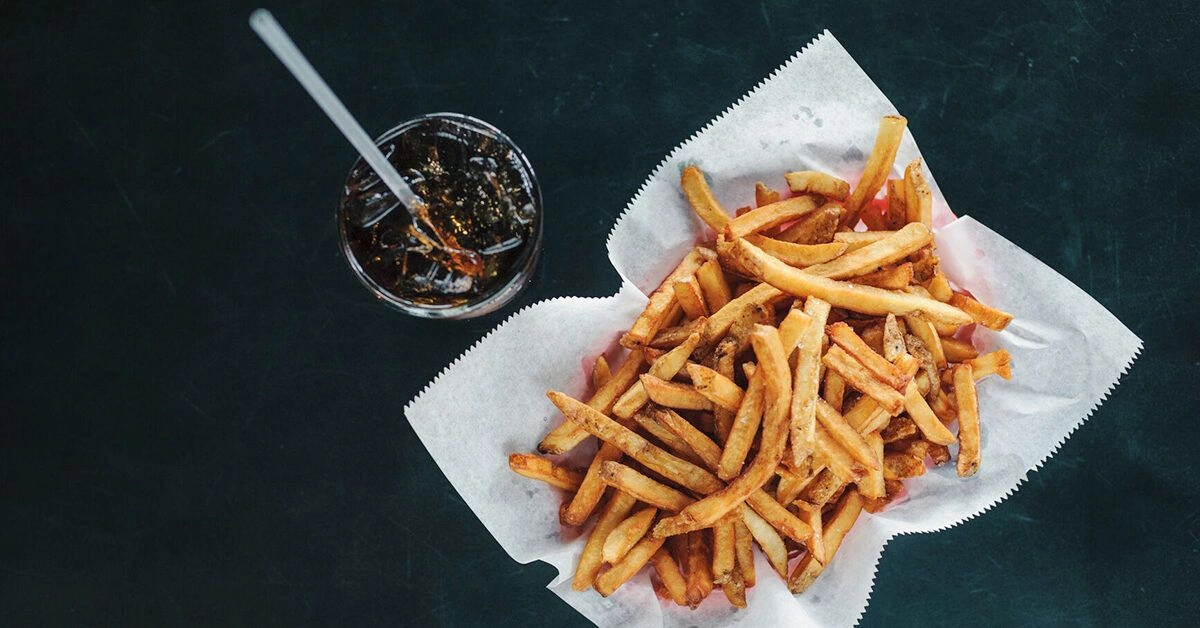
French fries and potato chips tend to be high in both calories and fat, particularly when deep-fried in oils.
Observational research has linked regular intake of French fries and potato chips to weight gain and obesity (3).
One 2011 study found that potato chips may contribute more to weight gain per serving than many other foods (4).
Additionally, baked, roasted, or fried potatoes can contain compounds called acrylamides, which have been associated with cancer (5).
For better weight management, enjoy these foods occasionally and in modest portions as part of a balanced diet.
Summary French fries and potato chips are high in calories and fat. Eating them frequently may contribute to weight gain, so moderation is key.
2. Sugary drinks
Sugar-sweetened beverages such as soda provide significant amounts of added sugar and calories.
These drinks are strongly linked with weight gain and can negatively influence metabolic health when consumed in excess (6).
Unlike solid foods, liquid calories are not processed by your brain in the same way (7).
Because sugary drinks do not promote fullness to the same extent as whole foods, you’re unlikely to compensate by eating less later. Instead, these beverages may simply add extra calories on top of your usual intake.
Alternatives
If you’re working toward weight loss, consider replacing sugary drinks with:
- infused or flavored water
- naturally sweetened kombucha
- unsweetened tea
- black coffee
Summary Sugary beverages can promote weight gain and negatively affect overall health. Cutting back on soda and similar drinks may significantly support weight loss.
3. White bread
White bread is highly refined and often contains added sugar.
It lacks the fiber and protein found in whole-grain varieties, nutrients that help regulate appetite and stabilize blood sugar.
Because it ranks high on the glycemic index, white bread can trigger rapid spikes in blood glucose (8, 9).
A 2014 study involving 9,267 individuals reported that eating two slices (120 grams) of white bread daily was associated with a 40% increased risk of overweight or obesity (10).
Alternatives
More nutrient-dense bread options include:
- Ezekiel bread made from sprouted grains and legumes
- whole grain bread
- whole wheat bread
These options generally contain more fiber and micronutrients.
All wheat-based breads contain gluten, so individuals with celiac disease or gluten sensitivity should avoid them.
Gluten-free alternatives include:
- oopsie bread
- cornbread
- almond flour bread
Summary White bread has a high glycemic index and has been associated with overweight and obesity.
Wellos is owned by RVO Health. By clicking on this link, we may receive a commission. Learn more.
4. Candy bars
Candy bars typically combine added sugar, added oils, and refined flour in a small portion.
They are calorie-dense yet low in fiber and protein, meaning they are unlikely to keep you satisfied for long.
Many chocolate-covered varieties contain approximately 200–300 calories, while larger bars may contain even more (11, 12).
Alternatives
If you’re craving sweets, consider:
- a small piece of dark chocolate
- fresh fruit
- nuts
- yogurt parfait
- trail mix with minimal additives
Summary Candy bars are high in sugar and calories but offer little satiety.
5. Some fruit juices
Many commercially available fruit juices contain as much sugar and calories as soda — sometimes more (13).
Juice also lacks fiber and does not require chewing, which reduces its impact on fullness.
For example, a glass of orange juice is less filling than eating a whole orange (14).
Alternatives
Choose whole fruits instead, or limit juice to about 4 ounces (118 milliliters) at a time, ensuring it contains no added sugar.
Summary Fruit juice can be high in sugar and calories while lacking fiber. Whole fruit is generally a better option.
6. Pastries, cookies, and cakes
Pastries, cookies, and cakes are often rich in added sugar and calories.
They are also less filling, which may lead to increased hunger shortly after eating.
High sugar intake has been linked to overweight and obesity (15).
If you’re aiming for weight loss — whether asking “Is corn good for weight loss at night” or evaluating dessert habits — portion control is essential.
Alternatives
Consider satisfying sweet cravings with:
- dark chocolate
- fresh fruit
- chia pudding
- homemade desserts made with almond flour or whole-grain flour
Summary Pastries and baked sweets are calorie-dense and high in sugar. Enjoy them occasionally and in small amounts.
7. Some types of alcohol (especially beer)
Alcohol contains more calories per gram than carbohydrates and protein.
Research on alcohol and weight gain is mixed (16).
Moderate drinking — defined as one drink or less per day for females and two drinks or less per day for males — appears acceptable and may be linked to less weight gain. Heavy drinking, however, is associated with increased weight gain (17, 18).
Beer in particular may contribute to weight gain, while moderate wine intake may offer some benefits (19).
Summary Limiting alcohol — especially beer — may support weight management goals.
8. Ice cream
Most store-bought ice cream varieties are high in added sugar and calories.
Because it’s easy to eat large portions directly from the container, mindful serving sizes are important.
Alternatives
Try making frozen desserts at home using full-fat yogurt and fruit, or blend frozen bananas for a naturally sweet option.
Summary Ice cream is calorie-dense and high in sugar. Smaller portions or homemade versions may be better choices.
9. Pizza
Commercial pizza is often made with refined flour and processed meats, increasing its calorie content.
Alternatives
Prepare homemade pizza using whole-grain bases and vegetable toppings, or choose thin crust and lean protein toppings when dining out.
Summary Choosing nutrient-dense toppings and thinner crusts can help reduce pizza’s calorie load.
10. High calorie coffee drinks
Coffee contains biologically active compounds like caffeine that may temporarily boost metabolism and fat burning (20).
However, specialty coffee drinks often contain large amounts of cream and sugar, significantly increasing total calories.
Opting for plain coffee with minimal milk or cream can better align with weight loss goals.
Summary Black coffee may support metabolism, but high-calorie coffee beverages can hinder weight loss.
11. Foods high in added sugar
Diets high in added sugar are associated with heart disease, type 2 diabetes, obesity, and liver disease (21).
These foods are calorie-dense but not very filling.
Common examples include:
- sugary breakfast cereals
- granola bars
- low fat, flavored yogurt
Be cautious with “low fat” or “fat-free” labels, as added sugar is often used to improve flavor when fat is removed.
If your goal is reducing abdominal fat, you may also find this helpful: Is corn good for losing belly fat.
Alternatives
Choose low-sugar or no-added-sugar versions, and enhance plain Greek yogurt with fresh berries for natural sweetness.
Summary Added sugar contributes excess calories and is linked to chronic disease. Moderation is essential.
The bottom line
If you’re trying to lose weight, your regular food choices play a significant role.
Some foods are higher in calories and less satisfying, while others — especially those rich in protein and fiber — can promote fullness and support fat loss.
Read nutrition labels carefully and limit highly processed foods and those high in added sugar.
Also pay attention to portion sizes. Even nutrient-dense foods like nuts, dried fruit, and cheese can be calorie-rich when eaten in large amounts.
Practicing mindful eating — slowing down, chewing thoroughly, and noticing hunger and fullness cues — may help regulate intake and improve long-term success.
Whether you’re evaluating late-night snacks and asking, “Is corn good for weight loss at night?” or reassessing everyday staples, building a balanced, nutrient-dense eating pattern is the foundation of healthy, sustainable weight management.






















Leave a Reply
You must be logged in to post a comment.