

A low carb diet generally involves cutting back on bread, desserts, and starchy vegetables. Certain fruits can also be relatively high in carbohydrates.
Carbohydrates are a primary energy source and one of the three key macronutrients in the diet, alongside fat and protein.
Carbs supply fuel to the brain and body’s cells and play a role in digestive health, appetite regulation, cholesterol balance, and other essential processes.
Even so, many individuals intentionally reduce their carbohydrate intake. Researchers have linked certain low carb diets to benefits such as enhanced weight loss and better blood sugar control.
On a low carb eating plan, foods rich in carbohydrates and sugar are typically limited. To compensate, protein and healthy fat intake is often increased.
Your personal daily carb allowance will determine whether specific foods should be moderated or avoided entirely. Most low carb diets include between 20–130 grams of carbohydrates per day, depending on individual goals and health needs.
Continue reading to discover which foods are commonly limited or avoided on a low carb diet.
Counting net carbs
When tracking carbohydrates on a low carb plan, many nutrition experts advise focusing on net carbs instead of total carbs. Net carbs are calculated by subtracting fiber from the total carbohydrate content listed on a food label, since fiber is not digested and does not significantly raise blood sugar.
Below are 14 foods you may want to limit on a low carb diet.
1. Some bread and grains
Bread is a dietary staple in many cultures, yet it is usually high in carbohydrates.
Carb content varies depending on ingredients and serving size. Whole grain bread generally contains fewer carbs than bread made with refined flour and also provides more fiber and nutrients.
The exact carbohydrate content of whole grain products differs by brand and portion size.
To lower your carb intake, you can adjust how much bread and grain-based foods you eat. Consider these whole grain swaps:
- whole wheat bread instead of white bread: 1 larger slice (32 grams) of whole wheat bread: 13 grams of carbs (11 grams net carbs) 1 smaller slice (27 grams) of white bread: 13 grams of carbs (12.2 grams net carbs)
- brown or purple rice instead of white rice brown rice, uncooked (100 grams or about 1/2 cup uncooked, 1-1/2 cups cooked): 77 grams of carbs (74 grams net carbs) white rice, uncooked (100 grams): 80 grams of carbs (77 grams net carbs)
- whole wheat tortillas, flatbread, or pita instead of varieties made from refined flour whole wheat tortillas (1 tortilla, 41 grams): 19 grams of carbs (15 grams net carbs) flour tortillas (1 tortilla, 49 grams): 24 grams of carbs (23 grams net carbs)
You may also experiment with homemade low carb bread options.
Additional whole grains you might incorporate in moderation include:
- quinoa
- freekeh
- bulgur
- barley
- oats
- millet
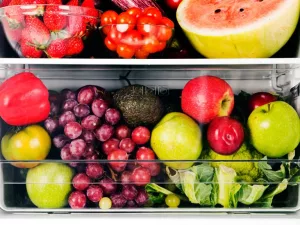
2. Some fruit
A diet rich in whole fruits and vegetables is consistently associated with a reduced risk of cancer and heart disease. Fruits also provide important vitamins, minerals, and antioxidants.
Although fruit contains carbohydrates, many varieties are high in fiber, which lowers their net carb content.
Some lower carb substitutions include:
- whole peaches, plums, and nectarines instead of varieties canned in syrup 1 whole peach (147 grams): 15 grams of carbs (13 grams net carbs) 1 cup canned peaches in heavy syrup (262 grams): 52 grams of carbs (49 grams net carbs)
- a half-cup of fresh berries or cut apples instead of dried and sweetened cranberries 1 cup raspberries (123 grams): 15 grams of carbs (7 grams net carbs) 1 cup sliced golden delicious apple (109 grams): 15 grams of carbs (12 grams net carbs) 1/4 cup sweetened cranberries (40 grams): 33 grams of carbs (31 grams net carbs)
Berries are typically lower in sugar and higher in fiber than many other fruits, making them more compatible with a low carb diet. Other relatively lower carb fruits include:
- watermelon
- strawberries
- cantaloupe
You can also add fruits that provide healthy fats, such as:
- avocado
- shredded coconut
- plantains
3. Starchy vegetables
Most eating patterns encourage generous vegetable intake.
Many vegetables are rich in fiber, which may assist with weight management and blood sugar regulation while lowering net carbs.
However, starchy vegetables contain more digestible carbohydrates. On a low carb plan, these are best eaten in moderation. Carb counts per 100 grams of cooked starchy vegetables include:
- Sweet corn:19 grams (16 grams net)
- Potatoes:12 grams ( 10 grams net)
- Sweet potatoes:21 grams (18 grams net)
- Peas:25 grams (16 grams net)
- Butternut squash:11 grams (8 grams net)
If you’re wondering about specific vegetables, including corn, and how they fit into fat loss goals such as Is corn good for losing belly fat, it’s important to consider portion size and total daily carb intake. You can explore more detailed guidance in Is corn good for weight loss and also whether timing matters in Is corn good for weight loss at night.

Plenty of non-starchy vegetables are very low in carbs. Per 100 grams:
- Bell peppers:5 grams (4 grams net)
- Asparagus:4 grams (2 grams net)
- Mushrooms:4 grams (2 grams net)
- Baby spinach:2 grams (1 gram net)
4. Pasta
Pasta is affordable and versatile but high in carbohydrates. Whole wheat pasta generally contains slightly fewer net carbs than refined varieties.
One cup (151 grams) of cooked spaghetti contains 46 grams of carbs (43 grams net carbs). The same portion of whole wheat pasta provides 45 grams (39 grams net carbs).
Alternative pasta options not made from wheat may offer more fiber and fewer net carbs, depending on the product. Examples include:
- spiralized vegetables, such as zucchini
- spaghetti squash
- chickpea pasta
- veggie pasta
- lentil pasta
- shirataki noodles
In some dishes, rice can replace pasta. Brown or purple rice is less processed and higher in fiber than white rice. Per 100 grams:
5. Cereal
Many breakfast cereals are high in carbohydrates and added sugars.
Choosing high fiber varieties and keeping portions moderate may allow some cereals to fit into a low carb diet.
- Cooked instant oats (1 cup cooked):28 grams of carbs (24 grams net carbs)
- Steel-cut oats (1/4 cup dry):28 grams of carbs (23 grams net carbs)
- Granola (1/2 cup): 35 grams of carbs (30 grams net carbs)
Preparing homemade granola or muesli allows better control over added sugar and total carbs. Lower carb additions may include:
- oats
- quinoa flakes
- nuts
- chia seeds
- hemp seed
6. Beer and mixers
Alcohol can be consumed in moderation on a low carb diet. Dry wine contains minimal carbs, and distilled spirits like rum contain none.
Beer, however, is relatively high in carbohydrates. A 12-ounce (360-mL) can provides about 11 grams of carbs, while light beer has 6 grams.
Research indicates liquids may be less satiating than solid foods, potentially leading to higher calorie intake. Beer also lacks the protein, fiber, vitamins, and minerals found in many whole foods.
When consuming spirits, be mindful that sugary mixers can quickly increase carb totals.
7. Sweetened yogurt
Fruit-flavored and sweetened yogurts often contain carbohydrate levels comparable to desserts.
One cup (245 grams) of nonfat sweetened fruit yogurt contains approximately 47 grams of carbohydrates, exceeding a similar serving of ice cream.
Choosing plain, unsweetened yogurt and adding low carb toppings is often preferable. For example, 1/2 cup (123 grams) of plain nonfat Greek yogurt with 1/2 cup (50 grams) of raspberries keeps net carbs under 10 grams.
8. Juice
Although juice supplies certain vitamins and minerals, it is high in carbohydrates and low in fiber, making it difficult to include in a strict low carb diet. Some varieties also contain added sugars.
- Apple juice (12 ounces, 355 mL):42 grams of carbs
- Grape juice (12 ounces, 355 mL):55 grams of carbs
- Vegetable juice (12 ounces, 355 mL):14 grams of carbs (12 net carbs)
Limiting juice and opting for water, tea, or low carb smoothies may be beneficial.
9. Low fat and fat-free salad dressings
Salads can be an excellent choice on a low carb diet.
However, many commercial dressings — especially low fat and fat-free types — contain added sugars and more carbs than expected.
Two tablespoons (30 mL) of fat-free French dressing contain 10 grams of carbs, while the same amount of fat-free ranch dressing has 7 grams. Portions often exceed 2 tablespoons.
Using full-fat dressings in moderation or preparing a homemade vinaigrette with vinegar and extra virgin olive oil — which is linked to improved heart health — can help reduce carb intake.
10. Beans and legumes
Beans and legumes are associated with health benefits such as reduced inflammation and lower heart disease risk.
They are high in carbohydrates but also provide substantial fiber.
Carb counts for 1 cup (160–200 grams) of cooked varieties include:
- Lentils:39 grams (23 grams net)
- Peas:25 grams (16 grams net)
- Black beans:41 grams (26 grams net)
- Pinto beans:45 grams (30 grams net)
- Chickpeas:45 grams (32 grams net)
- Kidney beans:37 grams (26 grams net)
11. Honey or sugar in any form
Highly refined sugary foods like cookies, candy, and cakes are typically minimized on a low carb diet.
Natural sweeteners can contain equal or greater amounts of carbohydrates and generally provide little fiber.
When reducing carbs, prioritize nutrient-dense, high fiber sources. Low carb sweeteners like stevia or monk fruit may be alternatives.
12. Chips and crackers
One ounce (28 grams) of tortilla chips — roughly 10–15 chips — contains 19 grams of carbs (18 grams net carbs). Crackers vary, but even whole wheat versions contain about 20 grams of carbs (17 grams net carbs) per ounce.
These processed snacks are often eaten in large amounts, increasing total carb intake.
Homemade vegetable chips or less processed options made with:
- almond flour
- wheat bran
- flaxseed
may be better choices. Hard-boiled eggs, cottage cheese, or nuts can also replace ultra-processed snacks.
13. Milk and alternatives
Milk supplies calcium, potassium, and several B vitamins.
However, it also contains carbohydrates. Small amounts in coffee may fit into a low carb diet, or you can choose creamer.
- Whole, low fat, and skim milk (8 ounces, 240 mL):11 to 12.7 grams of carbs
- Cream (1 ounce, 30 mL):1 gram of carbs
- Half-and-half (1 ounce, 30 mL):1 gram of carbs
- Unsweetened almond milk (8 ounces, 240 mL):3 grams of carbs
- Sweetened vanilla almond milk (8 ounces, 240 mL):16 grams of carbs (15 grams net carbs)
- Unsweetened coconut milk (8 ounces, 240 mL):6 grams of carbs
Sweetened plant-based milks may contain more carbs than dairy milk.
14. Gluten-free baked goods
Gluten is a protein found in wheat, barley, and rye.
Individuals with celiac disease or other gluten-related disorders must avoid gluten to prevent intestinal damage and manage digestive symptoms.
Despite being gluten-free, many baked goods in this category are not low in carbohydrates and may contain more carbs than traditional versions.
These products are often made with starches and grains that tend to elevate blood sugar quickly.
If you are limiting carbs, focus on whole foods or bake with almond or coconut flour instead of relying on processed gluten-free items.
Why you may want to reduce carbs
A low carb diet is not suitable for everyone, but some individuals choose it for specific health goals.
Research suggests low carb diets can support weight loss similarly to low fat diets, though long-term effectiveness may have limitations.
Carb-controlled diets are frequently recommended for diabetes management. One review of research found improved long-term blood sugar control in people with type 2 diabetes following a low carb diet.
Very low carb diets such as the ketogenic diet may promote weight loss and enhance insulin sensitivity, potentially improving blood sugar management.
One study suggests low carb diets may lessen the impact of metabolic syndrome, a cluster of risk factors linked to heart disease, stroke, and type 2 diabetes, particularly in people with obesity.
Is a low carb diet healthy?
When well planned, a low carb diet can be healthy and beneficial for weight and blood sugar management. It can include nutrient-dense foods such as:
- high fiber fruits
- vegetables
- nuts
- seeds
However, very restrictive plans like keto or Atkins may be difficult to maintain long term.
Although keto may assist with short-term weight loss, it eliminates multiple nutritious food groups and increase your risk of conditions such as:
- constipation
- kidney stones
- fatty liver disease
- vitamin or mineral deficiencies
Very low carb diets may not be suitable for:
- children
- pregnant people
- people with certain chronic health conditions
Focusing on plant-based fats and proteins while reducing refined carbs and added sugars may lower diabetes risk. In contrast, low carb diets centered heavily on animal protein and minimal whole grains can increase diabetes risk.
Consulting a doctor or registered dietitian before making major dietary changes is recommended.
SummaryLow carb diets may offer health benefits, but extremely restrictive versions can be difficult to sustain and may cause adverse effects over time.
The bottom line
When following a low carb diet, prioritize foods that are nutrient-dense yet lower in carbohydrates.
Emphasizing plant-based fats and proteins while cutting back on refined carbs and added sugars may support overall health and metabolic balance.





















Leave a Reply
You must be logged in to post a comment.