
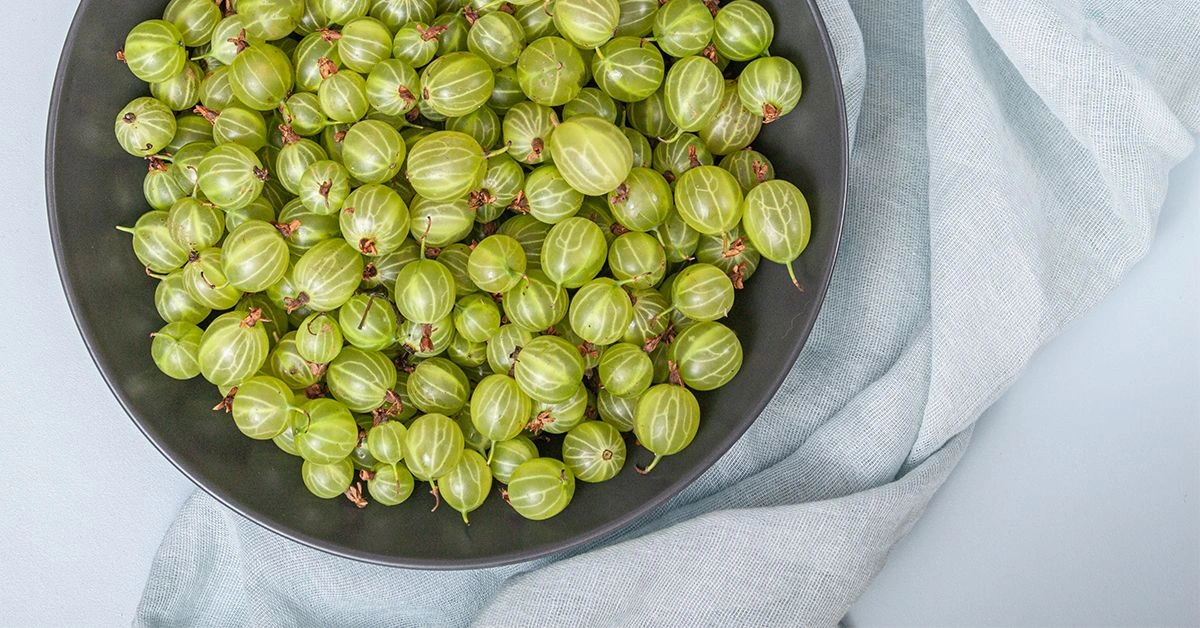
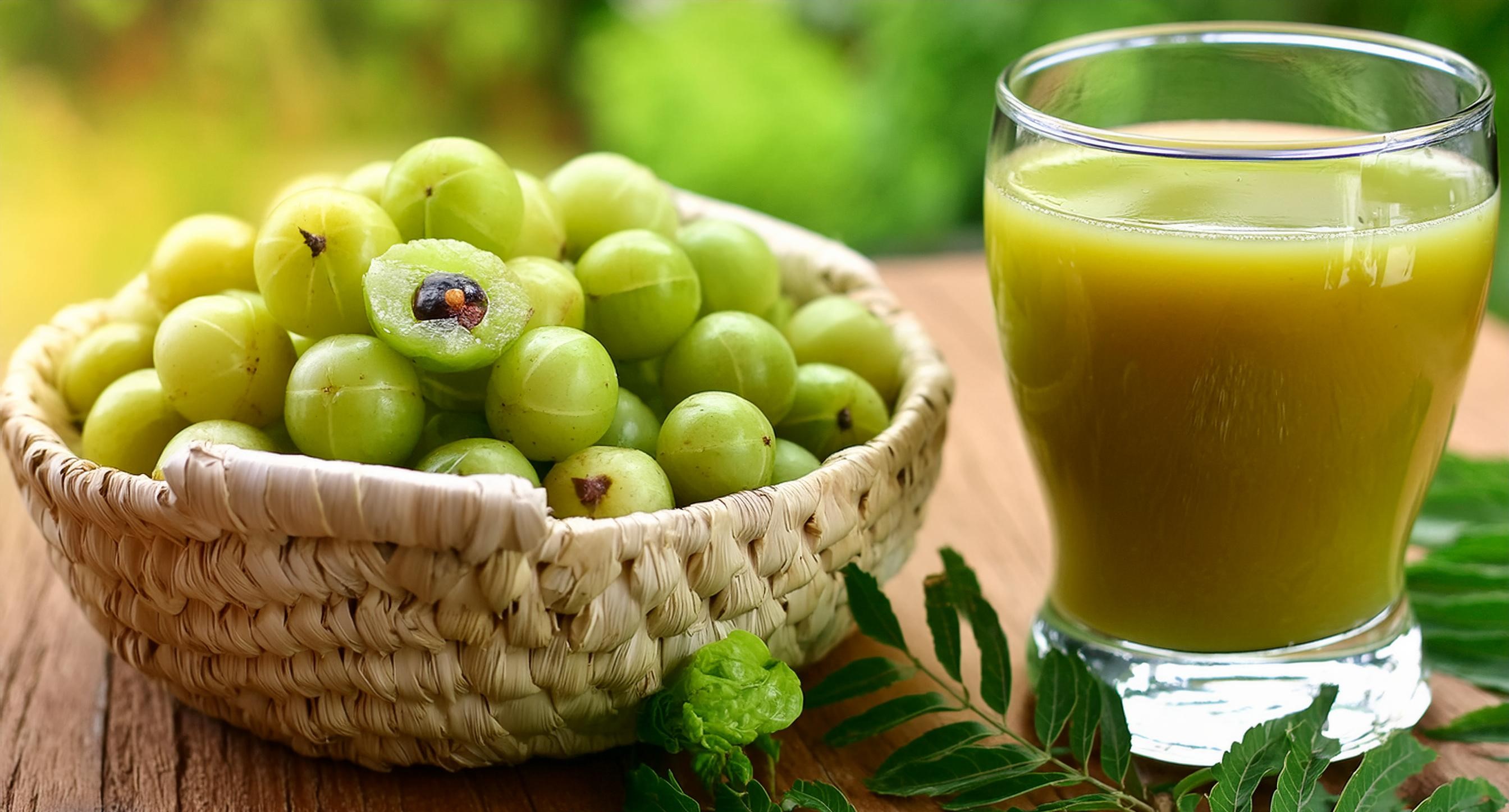
Amla juice is packed with nutrients and may support digestion, boost kidney, liver, and heart function, and strengthen immune defenses.
Also called Indian gooseberry, amla is a tree species native to Asia.
The plant yields small green fruits with a distinct taste often described as tart, bitter, and astringent.
Amla is frequently eaten pickled or candied. It’s also available as a powder supplement or consumed as juice for a quick and convenient nutrient boost.
Not only is amla juice versatile and flavorful, it’s also nutrient-dense and linked to a range of health advantages.
This article outlines the top 6 benefits of amla juice.
1. Supports immune health
Amla juice is an excellent source of vitamin C, a water-soluble nutrient that functions as an antioxidant.
In fact, older analyses report that amla ranks among the richest natural sources of vitamin C, supplying about 600 to 700 mg of vitamin C per fruit.
Beyond shielding cells from oxidative harm, vitamin C can support immune cell activity.
A 2023 study reported that vitamin C may lessen the intensity of common colds. A 2017 study also suggested that regular vitamin C intake could help prevent certain infections, although more research is necessary.
An older animal experiment found that high doses of amla extract given to mice helped guard against oxidative stress and cell injury from arsenic exposure.
Still, further human studies are needed to clarify how amla juice may influence immune function.
2. May benefit liver function
While human data are limited, several encouraging animal studies indicate that amla juice might help support liver health.
In one animal trial, feeding amla to rats consuming a high-fructose diet raised levels of several important metabolic proteins, which could protect against fructose-induced fatty liver.
A later animal study reported similar results, noting reduced body weight and abdominal fat alongside improvements in fatty liver among rats on a high-fat diet.
Amla is also abundant in antioxidants and demonstrates strong anti-inflammatory effects, both of which may be important for liver health.
3. Aids digestive health
Some evidence suggests amla juice may offer multiple digestive benefits.
For instance, a 2018 trial with 68 participants who had gastroesophageal reflux disease (GERD) found that taking two 500-mg amla extract tablets twice daily for 4 weeks significantly decreased the frequency and severity of heartburn and regurgitation.
A 2011 animal study showed that amla has antidiarrheal effects and can reduce muscle spasms, which may help alleviate cramps and stomach discomfort.
Older animal research, such as a 2013 study and a 2010 study, indicates that amla extract may help prevent and heal gastric ulcers, possibly due to its antioxidant profile.
More research is necessary to determine whether drinking amla juice specifically benefits human digestive health.
4. May improve heart health
Several studies imply that amla juice or extract can positively influence markers of cardiovascular health.
In a 2019 trial, taking 500 mg of amla extract twice daily for 12 weeks lowered triglycerides, total cholesterol, and LDL (bad) cholesterol in 98 people with abnormal lipid profiles.
Additionally, compared with a control group, those who received amla extract saw a 39% drop in the atherogenic index, a measure of the risk of cholesterol buildup in arteries.
Another small earlier study observed that 12 weeks of amla supplementation improved several cardiovascular risk factors in 15 overweight or obese adults, reducing cholesterol and markers of inflammation.
Some research, including a 2020 study, has also reported that amla extract may lower blood pressure, another major heart disease risk factor.
Keep in mind these trials used concentrated amla extracts rather than typical amla juice. Additional studies are needed to see if regular amla juice provides comparable heart benefits.
5. Could support hair growth
Amla is traditionally used to encourage hair growth and guard against hair thinning.
A 2020 study involving 42 people with hair loss found that daily application of a serum containing amla plus ingredients like coconut water and selenium for 90 days led to meaningful gains in hair growth and density.
An older 2012 study reported that amla inhibited a specific enzyme linked to hair loss.
A 2011 in vitro study found that amla extract promoted proliferation of dermal papilla cells in hair follicles, suggesting a hair-growth effect.
Although it’s unclear whether drinking amla juice directly enhances hair growth, the juice does contain nutrients like antioxidants and vitamin C that could be helpful.
More research is needed to determine how oral amla consumption affects hair health.
6. May support kidney health
Thanks to its antioxidant compounds, amla juice may help protect kidney function.
For example, a 2014 animal study showed that giving amla extract to rats helped prevent kidney injury and preserve renal function.
Similarly, an earlier animal study found that amla extract prevented age-related kidney decline by lowering oxidative stress.
Another 2016 animal experiment reported that amla extract normalized kidney function and improved antioxidant status in rats treated with a drug known to cause kidney toxicity.
Further clinical studies are required to understand how regular dietary intake of amla juice might affect human kidney health.
How to make amla juice
Making amla juice at home is simple and needs only a few ingredients.
- Start by chopping 2 to 4 Indian gooseberries and place them in a blender with 1 to 2 cups (250–500 mL) of water.
- You may also add flavor enhancers like ginger, black pepper, honey, or a pinch of sea salt.
- Blend until smooth, strain to remove any solids, and serve.
If fresh amla fruits are hard to find, premade amla juice is available from many online shops and specialty grocers.
For optimal benefits, choose varieties without added sugars, artificial flavors, or preservatives.
The takeaway
Amla juice is nutrient-rich and has been associated with several notable health benefits.
Research indicates it may support kidney, liver, and heart health, bolster immune function, aid digestion, and potentially help hair health.
Additionally, amla juice is tasty and simple to prepare at home, making it an easy addition to a nutritious eating plan.






















Leave a Reply
You must be logged in to post a comment.