
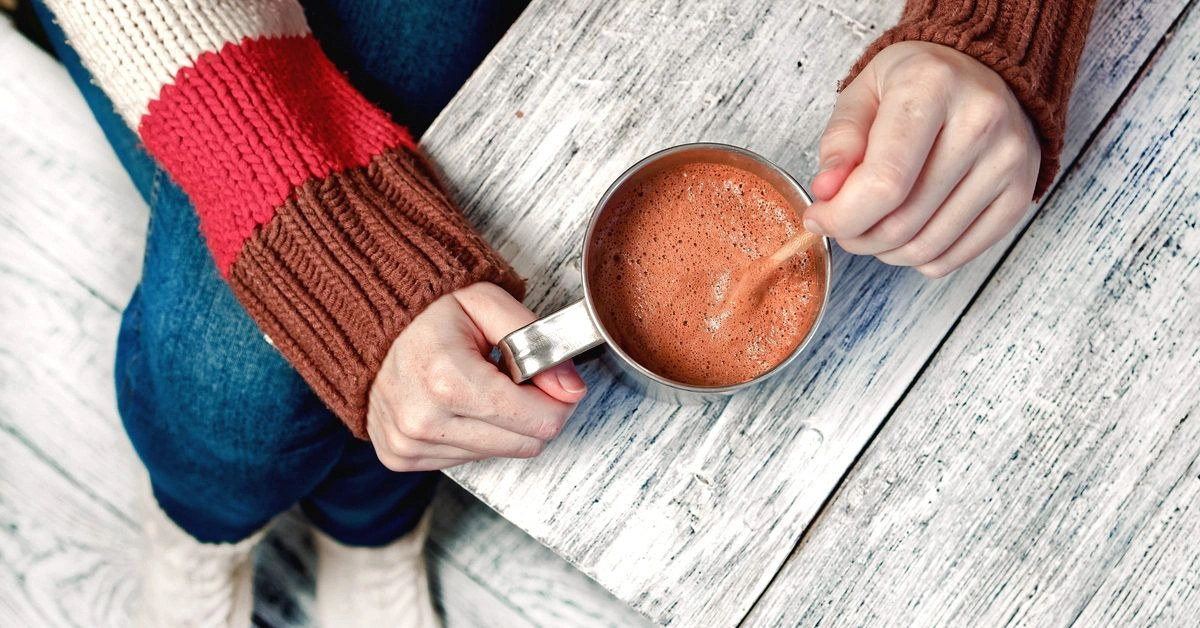
Hot chocolate has a modest amount of caffeine — far less than typical coffee or black tea. Still, it can provide a gentle afternoon lift for some people.
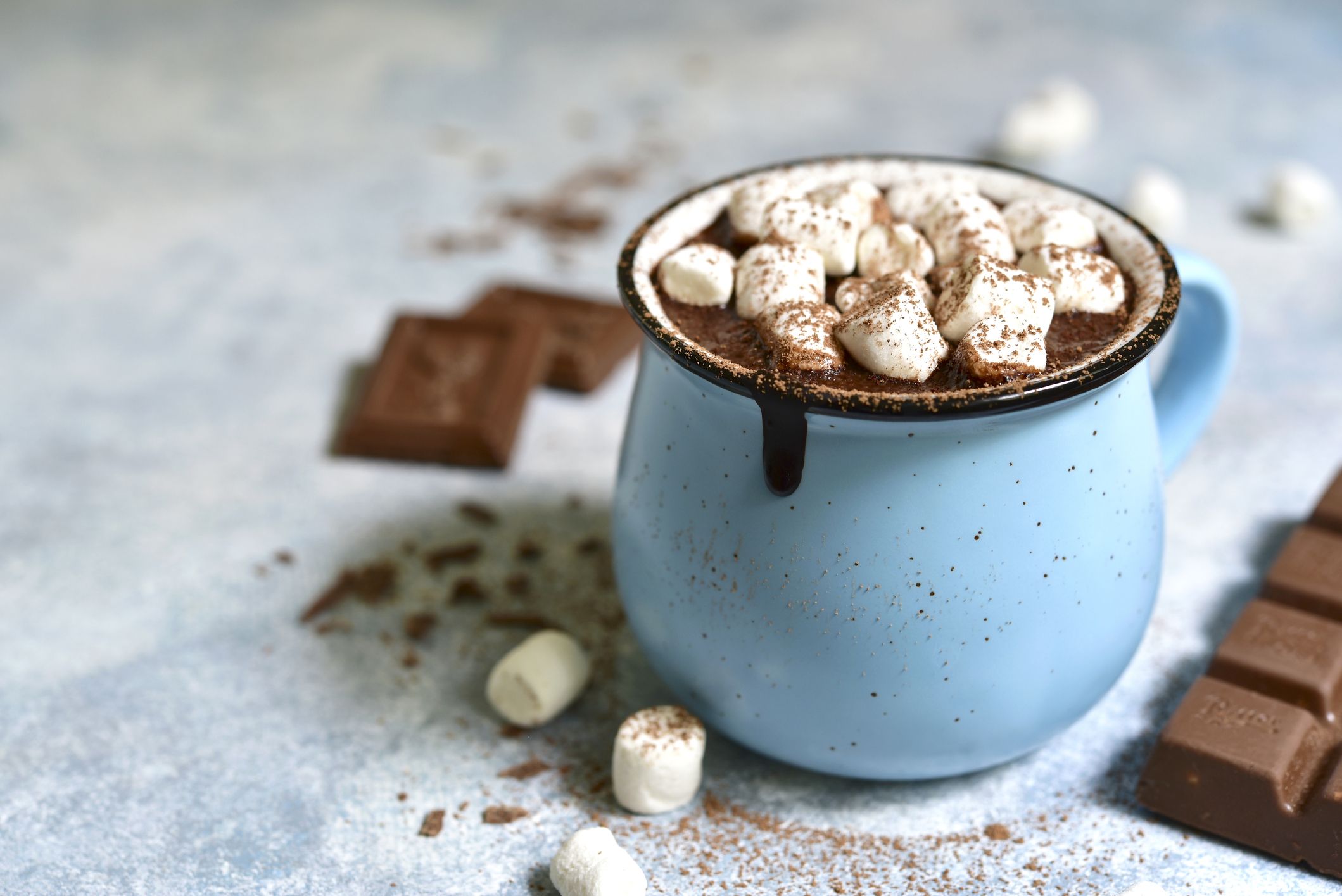
While many associate hot chocolate with a comforting winter treat, it does contain caffeine, a naturally occurring stimulant commonly used to increase alertness and energy.
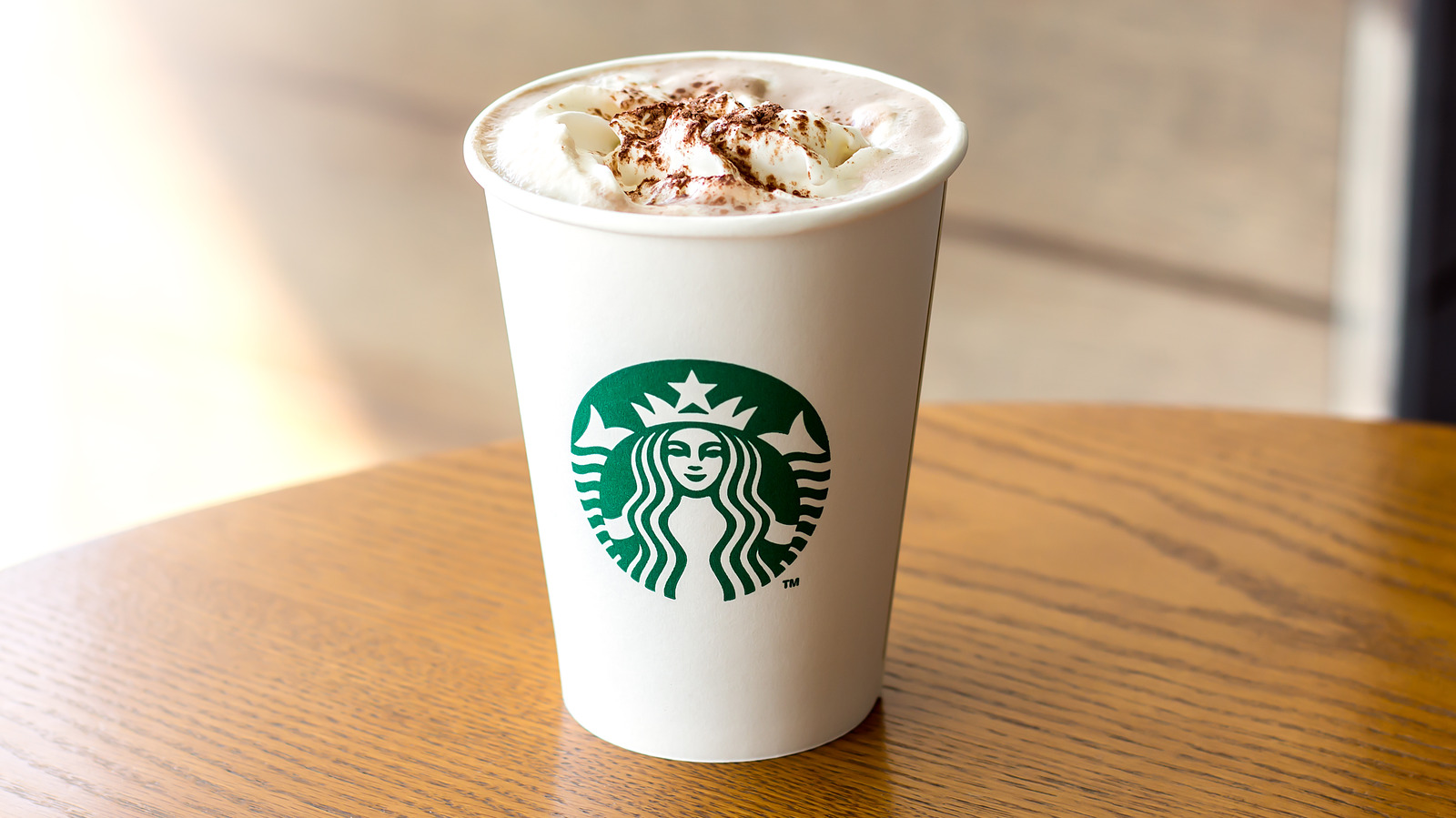
The caffeine content in hot chocolate varies based on how the beverage is prepared. For instance, a 16-ounce (grande) Starbucks hot chocolate contains 25 milligrams (mg) of caffeine.
Hot chocolate made from powdered mixes typically has less caffeine. Swiss Miss illustrates this: one packet makes a 6-ounce cup and includes about 5 mg of caffeine.
To put hot chocolate’s caffeine into perspective, compare it with the typical caffeine levels in other beverages. Continue reading to see how hot chocolate measures up against coffee, tea, and more. You can also read about does chocolate have caffeine for more related info.
How does hot chocolate compare to other chocolate drinks?
Anything derived from chocolate will contain some caffeine because cocoa beans naturally include it.
The precise caffeine level depends on the brand and any additional ingredients used to prepare the drink.
Generally, chocolate beverages made with dark chocolate are higher in caffeine since dark chocolate has a greater proportion of cocoa solids than milk chocolate.
Typical expectations include:
- Ready-to-drink chocolate milk: 1 cup (8 oz.) generally has 0–2 mg of caffeine
- Chocolate liqueurs: Many, including Bailey’s Chocolat Luxe, are caffeine-free
- Mexican chocolate-style drinks: 1 cup (8 oz.) of Stephen’s Mexican Hot Chocolate has about 1 mg of caffeine, and comparable products are similar
How does hot chocolate compare to different coffee drinks?
Coffee typically delivers a significant caffeine dose. The amount depends on the coffee type, how much grounds are used, and the brewing method.
Common benchmarks are:
- Decaf: 1 cup (8 oz.) contains roughly 2 mg of caffeine
- Regular black coffee: 1 cup (8 oz.) averages about 95 mg of caffeine
- Espresso: 1 shot (30 ml) contains approximately 63 mg of caffeine
- Instant coffee: 1 cup (8 oz.) has about 63 mg of caffeine
- Cold brew: a 12 oz. (tall) Starbucks cold brew contains 155 mg of caffeine, while a 30 oz. (trenta) serving can have 360 mg
- Latte or mocha: 1 cup (8 oz.) generally contains 63–126 mg of caffeine
How does hot chocolate compare to different teas?
Tea normally has moderate caffeine levels. Like coffee, the caffeine depends on the tea variety, how many bags or leaves are used, and brewing time. Herbal teas are naturally caffeine-free.
Typical values include:
- Black tea: 1 cup (8 oz.) contains about 25–48 mg of caffeine
- Green tea: 1 cup (8 oz.) contains around 25–29 mg of caffeine
- Oolong tea: 1 cup (8 oz.) averages 36 mg of caffeine
- White tea: 1 cup (8 oz.) averages about 37 mg of caffeine
- Pu-erh tea: 1 cup (8 oz.) of black Pu-erh contains 60–70 mg of caffeine, while green Pu-erh has 30–40 mg
- Chai tea: 1 cup (8 oz.) typically has 31–45 mg of caffeine, and a Starbucks chai tea latte contains about 95 mg
- Kombucha: usually contains up to half the caffeine of the tea it’s brewed from, or none if brewed with herbal tea
How does hot chocolate compare to soft drinks?
Many soft drinks have notable caffeine, though some are caffeine-free.
Common examples are:
- Pepsi, regular: one 20-oz serving has about 63 mg of caffeine
- Coca-Cola, regular, or Coke Zero: one 20-oz serving contains 56–57 mg of caffeine
- Dr. Pepper, diet or regular: one 20-oz serving contains about 68 mg of caffeine
- Mountain Dew, diet or regular: one 20-oz serving contains 91 mg of caffeine
- Barq’s root beer, regular: one 20-oz serving contains 38 mg of caffeine
- Ginger ale: one 12-oz serving is caffeine-free
- Sprite: one 12-oz serving is caffeine-free
The bottom line
Hot chocolate does contain small amounts of caffeine, but significantly less than coffee, most teas, and many soft drinks. If you prefer a chocolate-flavored beverage with virtually no caffeine, opt for ready-to-drink chocolate milk.
















Leave a Reply
You must be logged in to post a comment.