
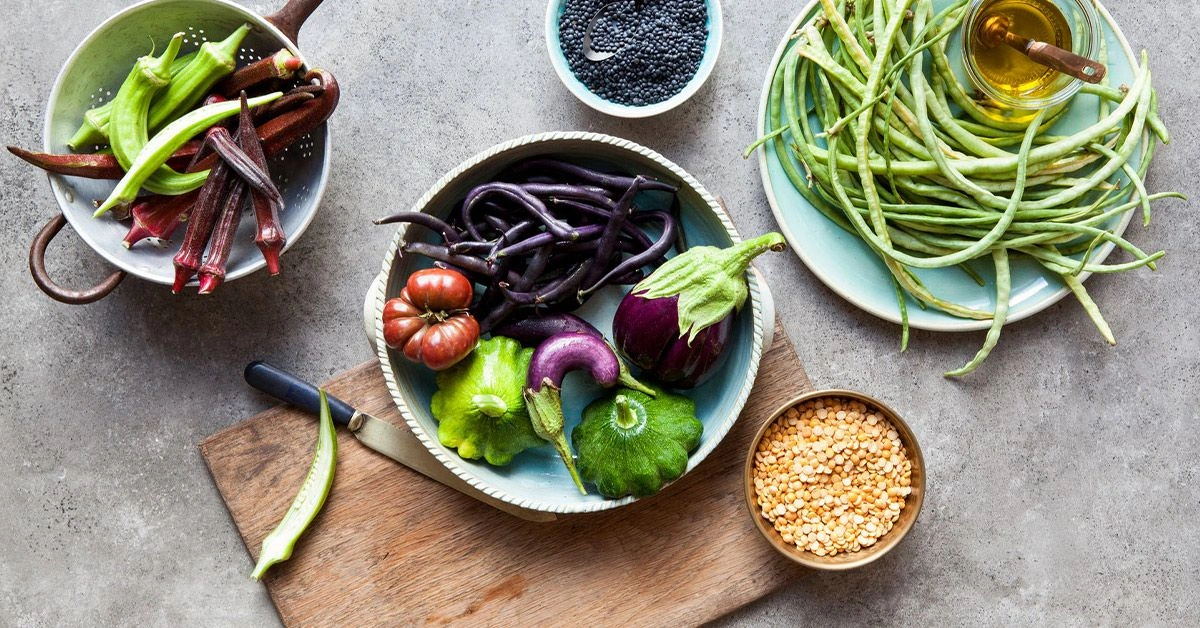
Adding more high-fiber foods — such as whole grains, beans, and cruciferous vegetables — to your meals may help prevent or ease hemorrhoids.
The soreness, tenderness, bleeding, and relentless itching that come with hemorrhoids can be extremely distressing.
Also called piles, these swollen veins around the anus and lower rectum can form clots or protrude if not managed, possibly requiring surgical intervention.
A key guideline to help prevent flare-ups is making sure you consume sufficient fiber. Fiber increases stool bulk and helps it move through your bowel more smoothly, reducing the need to strain — a common trigger for hemorrhoids.
Eating fiber-rich foods may relieve symptoms and help prevent hemorrhoids.
Below are 15 foods that can be helpful for hemorrhoid prevention and symptom relief.
How much fiber is recommended?
Most adults should aim for 22 to 34 grams of fiber per day, with exact needs varying by age and sex. Typical targets include:
- Women under 50: 25 to 28 grams daily
- Men under 50: 31 to 34 grams daily
- Women 51 and older: 22 grams daily
- Men 51 and older: 28 grams daily
If you’re upping your fiber, increase it gradually so your digestive system adjusts.
Raising fiber too quickly or consuming excessive amounts can provoke bloating and other digestive discomfort.
Food provides two forms of fiber: soluble and insoluble. Soluble fiber forms a gel in the gut and can be fermented by beneficial bacteria, while insoluble fiber adds bulk to stool. A balance of both supports a healthy gut.
Legumes
Legumes are the edible seeds of the Fabaceae family and include:
- beans
- lentils
- peas
- soybeans
- peanuts
- chickpeas
They provide both soluble and insoluble fiber but are particularly high in soluble fiber.
For example, 1 cup (198 grams) of cooked lentils supplies nearly 16 grams of fiber — roughly half of the daily recommendation for many people.
Lentils and other legumes bulk up stool, reducing the need to strain during bowel movements, which can help prevent hemorrhoids or ease their symptoms.
Whole grains
Whole grains are nutritional staples that retain their bran, germ, and endosperm, all of which provide beneficial nutrients including fiber.
They are especially abundant in insoluble fiber, which helps keep digestion regular and can ease hemorrhoid-related discomfort.
Whole grains encompass more than whole wheat products. Examples include:
- barley
- corn
- spelt
- quinoa
- brown rice
- whole rye
- oats
Oatmeal is a particularly good choice when addressing hemorrhoid symptoms.
It contains a type of soluble fiber called beta-glucan that acts as a prebiotic, nourishing beneficial gut bacteria.
When selecting oats, steel-cut oats are less processed and chewier. They offer about 5 grams of fiber per 1/4-cup (40-gram) dry serving, compared with 4 grams for rolled or quick oats.
Broccoli and other cruciferous vegetables
Cruciferous vegetables include:
- broccoli
- cauliflower
- Brussels sprouts
- arugula
- bok choy
- kale
- radishes
- turnips
- cabbage
Beyond potential anticancer benefits, these veggies deliver substantial insoluble fiber.
For instance, 1 cup (76 grams) of raw broccoli contains about 2 grams of dietary fiber, all insoluble — helpful for bulking stool and maintaining regularity.
Cruciferous vegetables are rich in glucosinolates, plant compounds that gut bacteria can metabolize.
They also support diversity in your gut microbiome.
A varied gut microbiota is associated with a more robust digestive system and stronger immune function. The insoluble fiber in cruciferous vegetables makes them useful for preventing hemorrhoids.
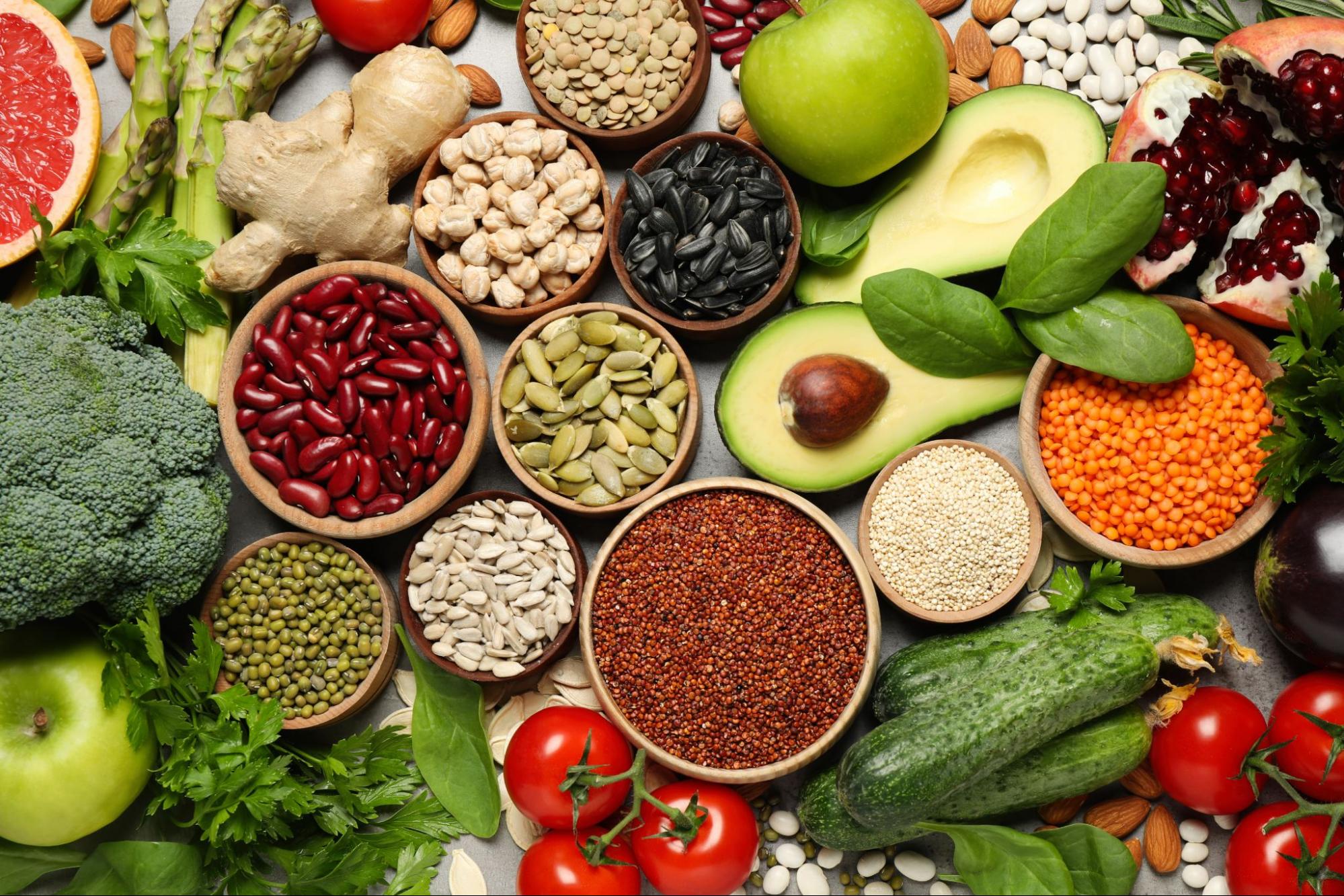
Artichokes
Artichokes are very high in fiber; a raw, medium artichoke (128 grams) offers about 7 grams.
Like other high-fiber foods, the fiber in artichokes feeds beneficial gut bacteria.
Research indicates that inulin, a soluble fiber found in artichokes, can boost populations of helpful gut microbes like Bifidobacteria and Lactobacilli.
Maintaining a healthy, regular gut may help prevent hemorrhoids or lessen their symptoms.
Root vegetables
Root veggies such as sweet potatoes, turnips, beets, rutabagas, carrots, and potatoes are satisfying and nutrient-dense.
They typically contain about 3 to 5 grams of fiber per serving, which supports gut health.
Much of the fiber in tubers is concentrated in the skin, so keeping the skin on preserves that benefit.
Cooked and cooled white potatoes offer a type of carbohydrate called resistant starch, which passes through the gut undigested and, like soluble fiber, feeds beneficial bacteria.
By reducing constipation, this can help ease hemorrhoid symptoms.
Try roasting, steaming, sautéing, or boiling root vegetables with the skin on. They’re also great mashed or cubed and baked as a healthier alternative to fries.
Squash
Squash adds both color and fiber to meals across seasons.
Varieties include:
- yellow squash
- zucchini
- acorn squash
- butternut squash
- pumpkin
Acorn squash is among the most fiber-rich, offering 9 grams of fiber per cup (205 grams) of baked cubes.
Roasted, sautéed, or boiled squash can help keep digestion moving and reduce hemorrhoid risk.
Bell peppers
Bell peppers are another useful vegetable for hemorrhoid support.
About 100 grams of sliced sweet peppers deliver nearly 1 gram of fiber.
Although not as fiber-dense as some other vegetables, bell peppers are very hydrating, with roughly 90% water content.
Combined with adequate fluid intake, this helps make stools softer and reduces straining.
Celery
Like bell peppers, celery is high in water and contains fiber that helps soften stools and lower the need to strain.
One long stalk (11–12 inches or 28–31 cm) provides about 1 gram of fiber and is around 61% water.
Enjoy celery sliced in salads, added to soups or stews, or dipped in nut butters.
Cucumbers and melons
Cucumbers and melons are members of the Cucurbitaceae family.
They deliver fiber, hydration, and antioxidant support to your digestive tract.
Keeping the skin on cucumbers yields the most fiber.
Pears
A medium pear supplies nearly 6 grams of fiber — about 22% of daily needs for many people.
Eat pears with the peel intact, since much of their helpful fiber is in the skin.
Pears are a convenient snack, or you can stew them or add them to salads and soups.
Apples
Apples, like pears, are a good source of fiber.
For example, a medium red delicious apple contains nearly 5 grams of fiber. Part of this is pectin, a soluble fiber that forms a gel in the gut.
Pectin helps soften and bulk stool, reducing straining and the discomfort associated with hemorrhoids.
Raspberries
Among berries, raspberries are especially rich in fiber.
One cup (123 grams) of raw raspberries provides about 8 grams of fiber and is composed largely of water.
This combination makes bowel movements easier without excessive straining.
Bananas
Bananas, with their pectin and resistant starch, are excellent foods to include for easing hemorrhoid symptoms. Green bananas contain more resistant starch.
A medium ripe banana (7–8 inches or 18–20 cm) supplies about 3 grams of fiber.
Pectin forms a gel in the gut while resistant starch nourishes beneficial gut microbes, both of which may help with hemorrhoid symptoms.
Stewed prunes
Prunes are often called nature’s laxative.
Research shows that consuming a moderate amount of prunes — up to 120 grams daily — can improve stool consistency, frequency, and bowel movement regularity in people with constipation.
This effect is due not only to fiber but also to sorbitol, a sugar alcohol that the intestines absorb poorly. Sorbitol draws water into the gut, softens stool, and exerts a laxative effect.
Stewed prunes contain more moisture; make them by simmering dried prunes in filtered water for about 10 minutes or until softened.
Fluids
Staying well hydrated helps keep stools soft and easier to pass.
Individual water needs vary by age, sex, and activity level, but water should be your primary beverage. For mild flavor, infuse water with lemon or berries.
Occasional low-sugar alternatives like unsweetened or lightly sweetened teas and clear low-sodium broths are fine.
Experts often suggest consuming between 9 and 13 glasses a day, though the right amount depends on your personal requirements.
Foods to limit
Aim to reduce foods low in fiber, since they can worsen constipation and trigger hemorrhoids.
Low-fiber items to cut back on or avoid include:
- White flour: This flour lacks bran and germ, making it low in fiber. Products include white bread, pasta, and bagels.
- Red meat: It digests slowly and may contribute to constipation.
- Processed meats: Cold cuts like bologna are low in fiber and high in sodium, which can promote constipation.
- Fried foods: These are harder to digest and can stress your digestive tract.
- Salty foods: Excess salt can cause bloating and make hemorrhoids more uncomfortable.
Also try to avoid or limit:
- Spicy foods: Even if not low in fiber, spicy fare can worsen hemorrhoid-related pain and discomfort.
- Caffeinated drinks: Especially coffee, which can dehydrate and harden stools, making bowel movements more painful.
- Alcohol: Like caffeine, alcohol can dry out stools and intensify hemorrhoid discomfort.
The bottom line
Hemorrhoids can be painful and disruptive.
While some foods may aggravate symptoms, others can provide relief.
Boosting your fiber intake and staying hydrated can reduce symptoms. Whole grains, legumes, vegetables, and fruits are excellent sources of fiber that can help you stay regular and avoid constipation — a key factor in preventing hemorrhoids.
If symptoms persist or worsen, consult your healthcare provider for appropriate evaluation and treatment options.
















Leave a Reply
You must be logged in to post a comment.