
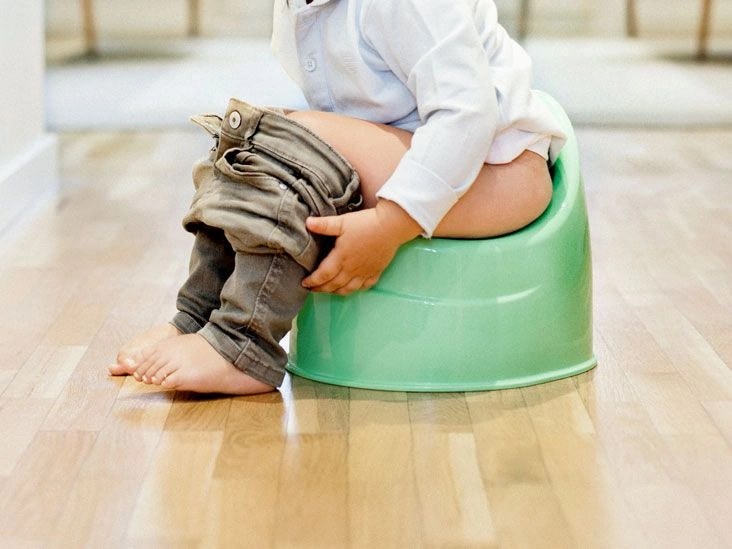
Constipation in babies
As a parent, you likely pay close attention to every giggle, sigh, and cry to gauge your baby’s health. However, certain indicators of discomfort can be harder to recognize at first glance.
Bowel habits, for instance, shift frequently throughout infancy. Occasionally, these changes may signal that your little one is constipated. Understanding How to relieve constipation in babies quickly begins with recognizing what is normal and what may point to a problem.
Because digestive patterns evolve as babies grow—especially with changes in feeding—knowing the difference between typical variations and true constipation can help you respond promptly and appropriately.
Signs of constipation
A baby who is exclusively breastfed may not pass stool every single day. In many cases, breast milk is absorbed almost entirely, leaving very little waste. This pattern is completely normal. In fact, infants who are fed only breast milk rarely develop constipation.
Formula-fed babies, however, might have as many as three or four bowel movements daily, or they may go several days between stools.
Even so, healthy infants can have widely differing bowel movement patterns. These patterns are strongly influenced by the type of milk consumed, whether solid foods have been introduced, and which specific foods are part of their diet.
Becoming familiar with the common signs of constipation can help you identify a potential issue early and learn How to relieve constipation in babies quickly before discomfort worsens.
Infrequent bowel movements
The frequency of a baby’s bowel movements may vary, particularly when new foods are introduced. If your child goes several days without passing stool and then produces a hard bowel movement, constipation may be the cause.
Constipation is not determined solely by how often a baby has a bowel movement, but also by stool consistency (meaning the stool is firm or hard).
Straining
If your baby appears to strain excessively during a bowel movement, it may indicate constipation. Constipated infants often pass very firm, clay-like stools.
Because hard stools are more difficult to eliminate, babies may push harder than usual. They might also seem irritable or cry while trying to pass stool.
Blood in the stool
If you notice streaks of bright red blood on your baby’s stool, it is often a sign that your child is straining significantly. Passing a hard stool can cause small tears in the anal lining, which may lead to visible blood.
Firm belly
A tight or distended abdomen can be another sign of constipation. Gas buildup and pressure related to delayed stool may cause your baby’s tummy to feel bloated or rigid.
Refusing to eat
When constipated, babies may feel full sooner than usual. Ongoing abdominal discomfort can also reduce their appetite, causing them to eat less or refuse feeds.
Remedies for your baby’s constipation
If you observe signs of constipation, there are several practical strategies you can try at home to ease your baby’s discomfort. Many parents searching for How to relieve constipation in babies quickly find that simple feeding and lifestyle adjustments are often effective.
Switch up the milk
If your baby is breastfed, consider evaluating your own diet. In rare cases, babies may be sensitive to something in the mother’s diet that contributes to constipation.
For formula-fed infants, switching to a different formula may provide relief, at least temporarily. Sensitivity to certain ingredients can sometimes affect digestion and stool consistency.
Use solid foods
Some solid foods may contribute to constipation, while others can help alleviate it. If you have recently introduced solids, consider incorporating fiber-rich options such as:
- broccoli
- pears
- prunes
- peaches
- skinless apples
Instead of refined cereals or puffed rice, offer cooked whole grains like barley, oats, or quinoa. Whole-grain breads, bran cereals, and high-fiber crackers can add bulk to stool, making it easier to pass.
For more guidance on natural drink options that may help, you can explore Best juice for constipation baby, which discusses appropriate juice choices and preparation tips.
Use pureed foods
If your baby is older than six months and has not fully transitioned to textured solids, try offering the high-fiber foods listed above in pureed form.
Fruits and vegetables contain natural fiber that increases stool bulk. Certain options, such as prunes and pears, are particularly known for supporting healthy bowel movements.
Up the fluids
Adequate hydration plays a key role in maintaining regular bowel movements. Breast milk, formula, and small amounts of water (for babies over 6 months) help keep stools soft.
For infants older than 6 months, occasional prune or pear juice may stimulate colon contractions and encourage a quicker bowel movement. If the taste is too strong, dilute the juice with water.
Always consult your doctor before giving any liquids other than breast milk or formula to babies under 6 months. If you are looking for age-specific guidance, including 1 month old baby constipation remedies, review trusted pediatric recommendations before trying new approaches.
Encourage exercise
Physical movement supports digestion and helps stool travel through the intestines more efficiently. If your baby is not yet crawling or walking, gently moving their legs in a bicycle motion may help stimulate bowel activity.
Massage

Lightly massaging your baby’s abdomen and lower belly can encourage the bowels to move. Perform gentle, circular motions several times a day until your baby has a bowel movement.
When those changes don’t work
Adjusting your baby’s diet—or your own, if breastfeeding—often improves constipation. If these measures are not effective, there are additional options to consider.
While many of these methods can be done at home, it is best to speak with your doctor if you have never used them before. They can provide personalized instructions to ensure safety and effectiveness.
These techniques include:
Glycerin suppository
If your baby has previously experienced an anal tear (bright red blood in the stool) after passing a hard stool, a glycerin suppository may occasionally help ease stool passage.
These products are available over the counter and can be administered at home. Follow package directions carefully if your child is over 2 years old, and consult your doctor before use if your child is under 2 years old.
Laxatives
Over-the-counter laxatives for babies older than 6 months may be considered when other strategies fail.
Laxatives containing a malt-barley extract (Maltsupex) or psyllium powder (Metamucil) can soften stool in older children but are not recommended for infants. Always speak with your doctor before giving any laxative to a baby under 1 year old.
Talk with your pediatrician
If you ever feel uncertain or concerned, contact your child’s pediatrician. In most cases, constipation resolves either on its own or with simple, natural remedies.
If home strategies do not bring relief, your doctor can provide additional guidance and evaluate for other symptoms—such as fever—that might signal a more serious condition requiring medical attention. Prompt communication ensures your baby receives safe, appropriate care while you learn How to relieve constipation in babies quickly and effectively.






















Leave a Reply
You must be logged in to post a comment.