

If your baby is passing gas but not having a bowel movement, try not to panic. Irregular stool patterns are very common in infants as their digestive systems adjust to life outside the womb. When looking for 1 month old baby constipation remedies, the most important step is understanding what’s normal for your baby and recognizing when it’s time to call your doctor.
Welcoming a newborn into your home is exciting — and sometimes overwhelming! If you’re a first-time parent, it may feel like you’re changing diapers constantly. Seasoned parents already know that diapers offer important clues about a baby’s overall health. Still, babies — like adults — can experience occasional digestive slowdowns.
If your baby isn’t pooping but is passing gas, there’s usually no immediate cause for concern. Your little one is still learning how digestion works. This adjustment period is a natural part of infancy.
There are several possible reasons your baby may be gassy without producing a stool. While it can make them (and you) uncomfortable, most cases resolve on their own. Below, we’ll explain what might be happening and outline safe, practical steps you can take.
How often should my baby poop?
During the newborn phase, it can seem like every diaper change reveals another bowel movement. As the weeks pass, however, most babies naturally begin to poop less often.
There is a wide range of normal when it comes to infant bowel frequency. As long as your baby is feeding well and gaining about 1 to 2 pounds per month, the exact number of dirty diapers isn’t usually a problem.
Some babies who are 2 months or older may have a bowel movement daily or even multiple times a day. Others may go every few days — or occasionally even once a week. If stools remain soft and easy to pass, infrequent pooping can still be healthy.
For parents searching for 1 month old baby constipation remedies, it’s reassuring to know that stool frequency alone doesn’t always indicate constipation — consistency and your baby’s comfort matter more.
Breastfeeding, formula, and solids
How often your baby poops depends partly on what they eat.
If your baby is exclusively breastfed or chestfed, they may not have a bowel movement every day. Their body efficiently absorbs most components of breast milk, leaving minimal waste. After the first 3 to 6 weeks, some breastfed babies can even go up to a week without pooping.
Formula-fed babies generally have at least one bowel movement every couple of days. Some may go daily, while others poop several times a day — all of which can fall within the normal range.
Because infant stool appearance can vary widely, diarrhea can sometimes be mistaken for normal changes. Signs of concern include pooping after every feeding or stools becoming progressively more watery. If this happens, consult your pediatrician.
Once solid foods are introduced, digestion changes again. You may notice certain foods increase gas without producing a bowel movement, while others move quickly through your baby’s system.
Color and texture
It’s completely normal for babies to produce stools in a range of colors. Variations in texture and odor are also expected.
Your baby’s poop may shift between shades of brown, yellow, and green, often depending on diet.
However, chalky white, red, or black stools can signal a health concern. Contact your pediatrician immediately if you notice these colors, see blood in the stool, or if your baby appears ill.
Straining to poop
Many parents worry when their baby strains, grunts, or turns red while trying to poop. In most cases, this is normal. Babies are still learning how to coordinate the muscles required for bowel movements.

Since infants spend much of their time lying down, gravity doesn’t assist them the way it does adults.
That said, if stools become hard, dry, or pellet-like, speak with your pediatrician. If your formula-fed baby poops less than once daily and strains frequently, this could point to constipation.
Causes of gassiness but not pooping
Occasionally, a baby may become mildly constipated. Up to 30% of children experience constipation regularly. In these situations, babies may pass gas but produce hard stools when they do go.
Sometimes gas occurs between bowel movements without true constipation. Babies often swallow air during feeding, which can contribute to bloating and flatulence.
Some infants are naturally gassier than others. If your baby seems uncomfortable, cries excessively, or pulls their legs toward their belly, mention it to your pediatrician.
Breastfed babies
Breastfed or chestfed babies are generally less prone to constipation because breast milk is easier to digest than formula.
Changes in breast milk composition may influence stool frequency. Around 6 weeks postpartum, breast milk contains little to no colostrum — a yellowish substance rich in protein and antibodies.
Colostrum may also work like a laxative, encouraging frequent bowel movements in early life. As colostrum decreases, stool frequency may naturally decline.
Formula-fed babies
Formula-fed infants may experience more gas if they swallow air during feedings or if their formula type changes. A baby’s digestive tract can be sensitive to dietary adjustments.
Gas alone doesn’t necessarily mean there’s a problem. However, if your baby appears to be in pain or develops hard stools, consult your pediatrician before switching formulas.
Solids
Introducing solid foods can temporarily disrupt digestion. New foods may increase gas or alter stool patterns.
Offer new foods individually and wait a few days before adding another. This approach helps identify foods that may cause digestive discomfort.
Is it constipation?
If your baby is gassy but not pooping, look for additional constipation symptoms:
- persistent crying or irritability
- reduced appetite
- intense straining or redness without passing stool
- small, hard stools
- dry or pebble-like poop
When evaluating 1 month old baby constipation remedies, these signs help determine whether simple monitoring is enough or medical guidance is needed.
What to do if your baby is passing gas, but not pooping
In many cases, mild gassiness and temporary constipation resolve as your baby’s digestive system matures. Still, there are gentle strategies that may help.
When to call your doctor
If your newborn (under 6 weeks old) is not pooping at all or is pooping very infrequently, contact your doctor promptly. Rarely, this may signal an underlying medical issue. Watch for additional symptoms such as:
- vomiting
- refusal to feed
- excessive crying
- abdominal bloating
- arching the back in apparent pain
- fever
- blood in the stool
Babies older than 6 weeks may occasionally experience constipation. Call your doctor if your baby hasn’t had a bowel movement in over a week or repeatedly passes hard stools.
Home remedies you can try (with your doctor’s permission)
Before trying any home approach, speak with your pediatrician. Depending on your baby’s age, they may recommend:
- Liquids: For babies over 6 months, small amounts of water may help.
- Food: If your baby eats solids, consider fiber-rich options like puréed prunes or sweet potatoes. You can also review guidance on Best juice for constipation baby choices suitable for infants. While fiber can temporarily increase gas, it often softens stool.
- Exercise: Gentle bicycle leg movements or holding your baby upright in a supported standing position may stimulate bowel activity. For more techniques, see How to relieve constipation in babies quickly.
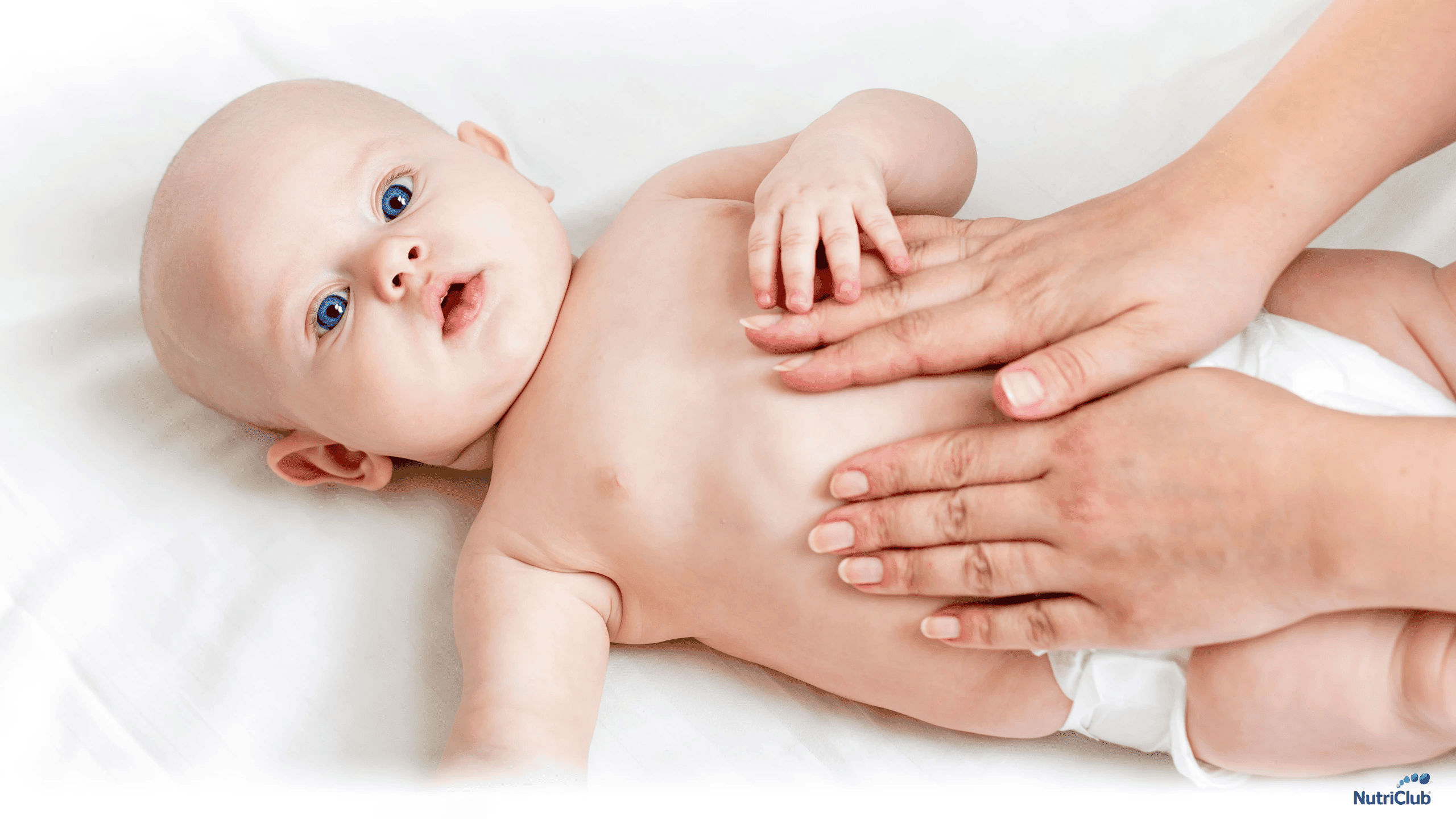
- Massage and warm bath: A light tummy massage or a warm bath can relax abdominal muscles and promote a bowel movement.
- Medications: In some cases, your doctor may suggest an infant glycerin suppository. Always seek medical approval before using this option.

Takeaway
If your baby is gassy but not pooping, it’s usually part of normal digestive development. As you explore safe and gentle 1 month old baby constipation remedies, remember that most irregularities resolve naturally.
Seek immediate medical advice if your newborn under 6 weeks is not pooping at all. For babies of any age, contact your pediatrician if constipation lasts longer than 5 to 7 days or is accompanied by other concerning symptoms.
With patience, observation, and appropriate guidance, your baby’s digestive system will continue to mature — and those diaper surprises will soon feel much more predictable.























Leave a Reply
You must be logged in to post a comment.