
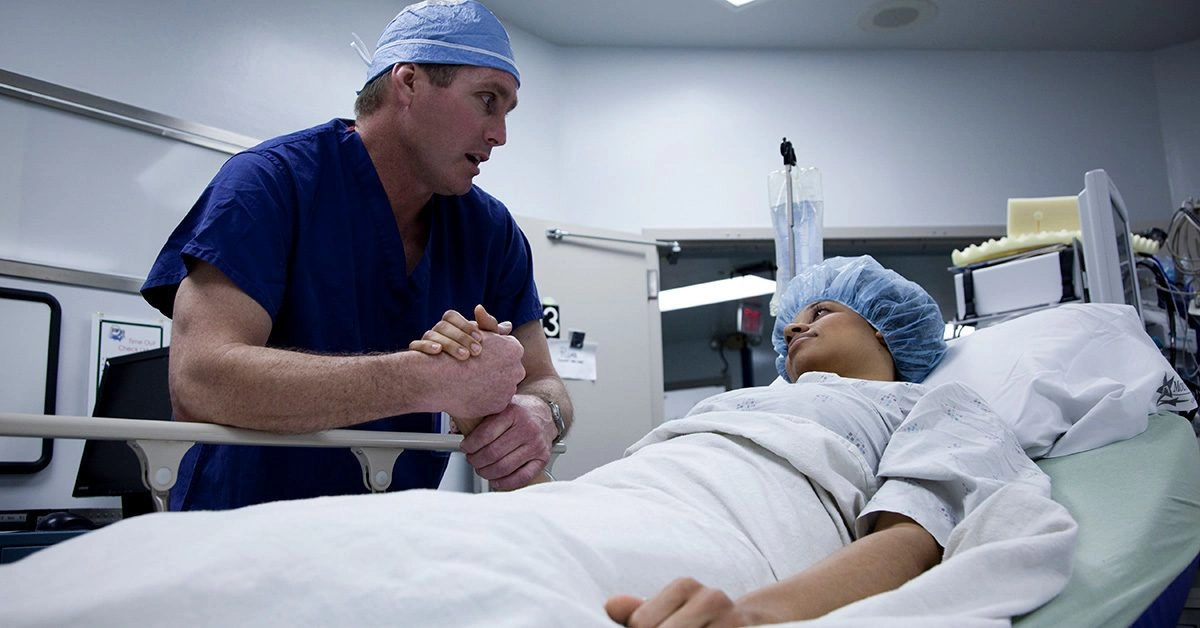
Although anesthesia significantly reduces discomfort during an operation, certain procedures can still lead to notable pain afterward or during the healing phase. Carefully following your doctor’s post-operative instructions and taking prescribed pain medication as directed can make a meaningful difference in your recovery experience.
Nearly all medical procedures involve some level of discomfort, and in some instances, considerable pain.
However, certain surgeries are widely reported by patients as being more painful than others. Some may cause intense soreness immediately after the procedure, while others result in lingering discomfort that can persist for weeks or even months as tissues heal.
In discussions about Gallbladder vs appendix surgery and other common operations, patients often wonder how recovery compares in terms of pain intensity and duration. While individual experiences vary, understanding how different procedures typically feel can help you prepare mentally and physically.
Below are six surgeries and medical procedures frequently described by patients as especially painful at some stage of recovery.
Keep in mind that pain tolerance and perception differ greatly from person to person. What feels overwhelming to one individual may be manageable to someone else, depending on factors such as overall health, surgical technique, and personal pain threshold.
1. Gallbladder removal (cholecystectomy)
Cholecystectomy is performed in two primary ways:
- laparoscopic cholecystectomy
- open cholecystectomy
Most people who undergo a laparoscopic cholecystectomy report a relatively fast recovery with moderate discomfort rather than severe pain. Because the procedure uses small incisions, tissue trauma is minimized, which often leads to shorter healing time.
In contrast, individuals who have an open cholecystectomy frequently describe more intense pain immediately after surgery and throughout the recovery phase. Since this technique involves a larger incision through abdominal muscles, soreness and limited mobility are more pronounced.
Discomfort following open gallbladder removal may continue for 4 to 6 weeks. Even so, many patients find that the long-term relief from gallbladder attacks outweighs the temporary postoperative pain.
One contributing factor to post-surgical discomfort is the body’s adjustment to digesting fats without a gallbladder. Some patients find symptom relief by reducing fatty food intake or dividing meals containing fat into smaller portions throughout the day. Gradual dietary adjustments can support digestive adaptation and lessen bloating or cramping.
For those researching Which is worse appendix or gallbladder surgery, it’s helpful to understand that pain levels depend on whether the surgery is performed laparoscopically or through an open approach. Comparisons of Gallbladder vs appendix surgery often highlight differences in incision size, urgency, and complication risk.
2. Liposuction
Liposuction is an elective cosmetic procedure designed to remove subcutaneous fat and reshape specific areas of the body. People often pursue it when fat distribution is uneven or concentrated in regions such as the thighs, abdomen, or underarms.
Although many expect minimal discomfort, the immediate aftermath can involve significant bruising, swelling, and tenderness. For first-time patients, the severity of soreness may come as a surprise.
The length and intensity of recovery are influenced by the volume of fat removed and the number of areas treated. Some individuals feel sore for only a few days, while others experience lingering discomfort for several weeks. Wearing compression garments and following postoperative care instructions can help reduce swelling and promote healing.
3. Bone marrow donation
Bone marrow donation is widely recognized as a generous and potentially life-saving act. Despite the meaningful outcome, donors often report considerable discomfort during recovery.
According to the BeTheMatch Foundation, 84 percent of donors experience back or hip pain. The median recovery time is 20 days. However, most donors can return to many routine activities within 1 to 7 days after the procedure.
The discomfort is typically concentrated around the pelvic bones, where marrow is extracted. While the soreness can be significant, many donors express that the knowledge of helping another person makes the temporary pain worthwhile.
4. Dental implants
Receiving dental implants can involve an extended and sometimes painful recovery period.
The surgical placement itself generally causes minimal discomfort due to local anesthesia. However, the healing process over the following weeks and months can be challenging. Swelling, bruising, gum tenderness, and occasional bleeding are common during early recovery.
Because the jawbone and surrounding tissues need time to integrate with the implant, chewing solid foods may trigger pain. Many patients temporarily switch to softer foods to reduce strain on the surgical site. Careful oral hygiene and follow-up visits are essential to prevent infection and ensure proper healing.
5. Total hip replacement
Pain levels associated with total hip replacement vary, but many patients agree that the rehabilitation phase can be demanding.
After surgery, discomfort may extend from the hip to the groin and down the leg. Physical therapy, though crucial for restoring mobility and strength, can initially intensify soreness as muscles and joints adapt.
Complete recovery can take 6 to 12 months. Most individuals resume many normal daily activities within 6 to 8 weeks, but regaining full strength and flexibility requires consistent rehabilitation. Following exercise recommendations carefully can improve long-term outcomes and reduce stiffness.
6. (Open) Abdominal hysterectomy
An open abdominal hysterectomy typically causes more prolonged discomfort compared with laparoscopic hysterectomy or vaginal hysterectomy, which are generally associated with less postoperative pain.
Because the procedure involves an incision through the abdominal wall, soreness can persist for several weeks. The abdominal muscles are engaged in many routine movements, so actions such as standing, coughing, or turning in bed may be painful during early recovery.
Gradually increasing activity as advised by your surgeon can help prevent complications like blood clots while allowing tissues to heal properly.
Tips for recovery
Adhering to your doctor’s postoperative guidance is essential for a smoother recovery. Many of these procedures require a period of rest immediately after surgery. Temporary lifestyle modifications—such as avoiding heavy lifting, limiting strenuous activity, or consuming soft foods—may be necessary.
Even if certain activities are restricted, walking is often encouraged. Studies show that early and consistent walking can reduce postoperative pain and lower the risk of complications like blood clots and pneumonia.
Your physician may prescribe medication to control pain. Always follow dosing instructions carefully. If you’re unsure about any aspect of your medication regimen, consult your doctor or pharmacist. Important questions to consider include:
- How often should I take it? How many pills should I take each time?
- What other medications should I avoid taking while using this pain medication?
- Should I take it with food?
- Will it make me drowsy?
- How long should I use it?
- How should I dispose of my medication if I don’t use all of it?
Recovery tips
- Follow your doctor’s recommendations closely.
- Take pain medication exactly as prescribed. Ask your doctor or pharmacist if you have questions about timing or dosage.
- Contact your doctor if your pain is not improving, becomes more severe, or if you notice new symptoms.
If your discomfort feels unmanageable or worsens unexpectedly, notify your healthcare provider. They can assess whether your pain is within the expected recovery range or if you need an in-person evaluation.
All surgeries—including those often compared in discussions about Gallbladder vs appendix surgery—carry potential risks beyond pain, such as infection or adverse reactions. Learning about warning signs in advance and maintaining open communication with your care team can help ensure a safer, more comfortable recovery.
For a clearer understanding of how symptoms differ before surgery, you may also find it helpful to review Gallbladder vs appendix symptoms, especially if you are trying to distinguish between abdominal conditions that may require urgent treatment.




















Leave a Reply
You must be logged in to post a comment.