

Recovery from gallbladder surgery is typically straightforward and associated with minimal complications. Most people can live a healthy life without a gallbladder, although some dietary and lifestyle adjustments are often necessary. Understanding Female gallbladder surgery recovery time can help set realistic expectations and support a smoother healing process.
Gallbladder removal surgery (cholecystectomy) is recommended when the gallbladder develops gallstones or sludge that interfere with its normal function. These conditions can lead to pain, inflammation, or infection, making surgical removal the most effective treatment option.
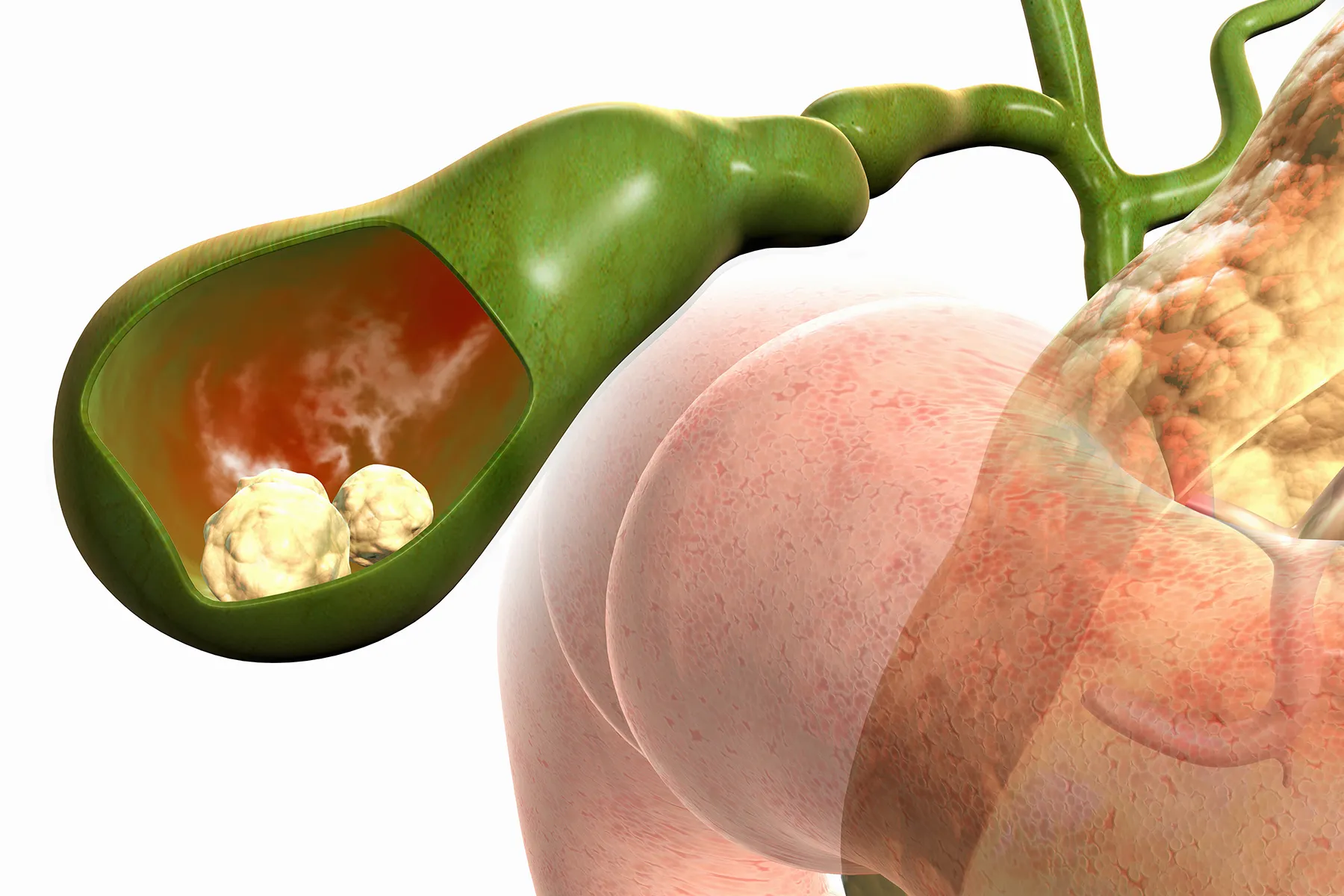
Surgeons may perform gallbladder removal laparoscopically using several small incisions, or through open surgery, which involves one larger abdominal incision. The surgical approach plays a significant role in determining the overall recovery timeline.

In most cases, full recovery from laparoscopic surgery occurs within 2 to 6 weeks. By contrast, healing after open surgery may require 4 to 8 weeks. Although there is no difference between males and females in medical recovery timelines, many patients specifically search for Female gallbladder surgery recovery time to better understand what to expect from a practical and lifestyle perspective.
Below, you’ll find a detailed overview of the recovery process following gallbladder removal, including what happens immediately after surgery, how to care for your incisions, activity recommendations, and ways to minimize complications.
Immediately following gallbladder removal surgery
If you undergo laparoscopic gallbladder removal, you will have several small incisions in your abdomen. Most patients are discharged from the hospital the same day or the day after the procedure, depending on how they respond to anesthesia and pain control.
An open gallbladder removal requires a significantly larger incision across the abdomen. With open surgery, a hospital stay of 2 to 6 days is often necessary to monitor healing and manage discomfort.
First 2 weeks after surgery
During the first two weeks after gallbladder removal surgery, it’s common to experience soreness and mild discharge around the incision sites. This early phase is a critical part of Female gallbladder surgery recovery time, as your body adjusts to the absence of the gallbladder and begins internal healing.
You might also notice temporary side effects such as:
- swelling or bruising near the surgical area
- nausea related to anesthesia
- abdominal discomfort
- bloating and gas
- diarrhea
If dissolvable stitches were used, they will typically dissolve within the first two weeks, leaving behind small scars that gradually fade over time.
Managing your pain after gallbladder removal surgery
Pain following gallbladder removal surgery can be significant during the first few days, particularly near the incision sites.

Use prescribed pain medications as directed until your discomfort becomes manageable without them. Avoid stopping medication abruptly without consulting your doctor.
Additional pain management strategies include:
- placing a cold compress on incision areas to reduce inflammation and discomfort
- avoiding strenuous physical exertion
- engaging in gentle, low-impact practices such as yoga or meditation to ease tension and stress
Some individuals may also feel shoulder or upper abdominal discomfort due to the gas used during laparoscopic surgery. This sensation usually resolves within a few days.
Proper wound care
Appropriate wound care is essential to prevent infection and promote optimal healing. During Female gallbladder surgery recovery time, keeping incisions clean and dry significantly lowers complication risks.
- Replace bandages as instructed by your healthcare provider.
- Clean incision sites gently with soap and warm water when changing dressings.
- Avoid soaking in baths, swimming pools, or hot tubs.
- Remove gauze or bandages to shower 24 to 48 hours after surgery, unless advised otherwise.
Watch for redness, warmth, or unusual discharge, as these may signal infection.
Diet following gallbladder removal
Without a gallbladder, bile flows directly from the liver into the small intestine. As a result, fatty, greasy, or spicy foods may initially cause discomfort.
To ease digestion and support recovery, consider these dietary adjustments:
- Consume low fat foods for at least one week after surgery.
- Avoid fried or greasy items that may trigger diarrhea.
- Limit rich or sugary foods.
- Choose whole, minimally processed, protein-rich foods such as chicken and whole wheat products.
- Gradually increase soluble fiber intake to help firm stools and reduce diarrhea.
- Follow a bland eating plan like the BRAT diet, or a mostly liquid diet, if digestion feels sensitive.
- Eat smaller, more frequent meals for several days.
- Avoid common digestive triggers, including caffeine or dairy, if they worsen symptoms.
Over time, most people tolerate a wider range of foods. However, learning about the Long-term effects of gallbladder removal can help you make informed nutritional choices and maintain digestive health.
Activity levels
Avoid strenuous physical activity during the first week following laparoscopic gallbladder surgery. Light movement, however, can improve circulation and reduce the risk of complications such as blood clots.
After the initial week, you may gradually resume activities such as:
- moderate exercises like walking
- driving a car (if you are no longer taking narcotic pain medication)
- sexual activity that does not place pressure on your abdomen
- returning to office-based work
Patients recovering from open surgery may require a longer restriction period before resuming these activities.
Follow-up appointments
Most patients attend at least one follow-up visit within the first few weeks after laparoscopic gallbladder removal.

If you experience no complications, additional visits may not be necessary.
Open gallbladder surgery carries a greater likelihood of prolonged discomfort and long-term complications. Therefore, you may need multiple follow-up appointments over several months to ensure proper healing and monitor for issues such as Liver problems after gallbladder removal.
What not to do following gallbladder removal surgery
To protect your healing incisions and reduce strain during recovery, avoid the following:
- Exercises that heavily engage abdominal muscles, including biking, running, or lifting heavy objects
- Stressful environments or high-pressure situations, particularly in the workplace
- Raw foods that may elevate infection risk
- Alcohol, which can irritate your digestive system
- Sexual activity for several days after surgery
Signs of complications after gallbladder removal surgery
Although complications are uncommon, seek medical attention if you notice:
- thick discharge or pus from your incisions
- persistent bleeding from incision sites
- greenish discharge
- severe pain that may indicate bile duct injury
- symptoms of anesthesia allergy, including anaphylaxis (life threatening airway closure)
When to contact your doctor
Contact your doctor promptly if you develop:
- continued pain in your abdomen that does not improve
- fever
- nausea
- vomiting
- swelling or abnormal discharge from incision sites
- yellowing of your skin or eyes (jaundice)
- dark urine
- pale stools
Frequently asked questions about gallbladder removal surgery recovery
How long does it take to recover from gallbladder removal surgery?
Recovery typically takes about 6 to 8 weeks after open gallbladder removal surgery and less time following laparoscopic surgery. There is no difference in medical recovery time between males and females.
What hurts the most after gallbladder surgery?
Incision sites are usually the most painful areas after surgery. Some patients also report abdominal or upper body discomfort caused by the gas used to inflate the abdomen during laparoscopic procedures.
How will my life change after gallbladder removal?
Most individuals experience minimal long-term lifestyle disruption after gallbladder removal surgery. However, dietary modifications—such as reducing fat intake and eating smaller meals—can help prevent symptoms like diarrhea or digestive discomfort.
Takeaway
Gallbladder removal is generally a safe and effective way to relieve significant pain and digestive problems caused by gallbladder dysfunction. By understanding Female gallbladder surgery recovery time, following medical advice, and making appropriate dietary and activity adjustments, most people achieve a smooth recovery and return to normal daily activities without lasting complications.

















Leave a Reply
You must be logged in to post a comment.