
Key Takeaways:
- Small amounts of mucus are normal; the colon produces it to keep the lining moist and lubricated.
- Visible, excess mucus is more commonly caused by benign conditions like IBS, infections, or inflammation rather than cancer.
- Colon cancer symptoms typically include “Red Flags” like bloody stool, anemia, and drastic changes in bowel habits.
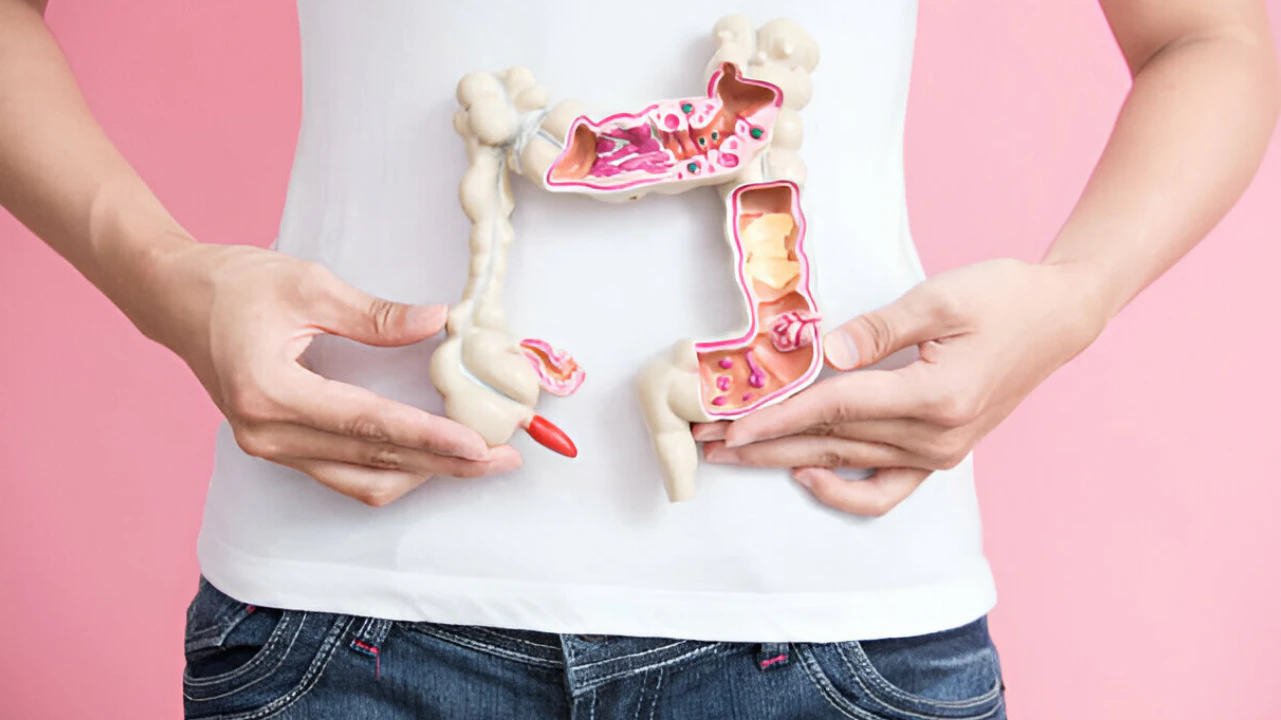
Looking into the toilet and seeing something that resembles jelly or slime can be a terrifying moment. In the age of “Dr. Google,” a quick search for “mucus in stool” often leads straight to one terrifying conclusion: Colon Cancer.
But before you panic, it is vital to look at the statistics and the physiology. While mucus can be a symptom of malignancy, it is far more frequently a sign that your gut is irritated, inflamed, or simply doing its job a little too enthusiastically. This comprehensive guide will walk you through exactly what mucus means, how to interpret the colors, and when to call the doctor.
The Physiology: What is Mucus?
Mucus is not a disease; it’s a defense mechanism. Your digestive tract is lined with a mucous membrane that secretes this jelly-like substance. It has two main jobs:
- Lubrication: It helps stool slide through the colon easily.
- Protection: It acts as a barrier, preventing stomach acid and bacteria from damaging the delicate intestinal wall.
Usually, this mucus is clear and mixed in with the stool so well you don’t see it. When you do see it—glazing the stool or floating separately—it means your colon is producing it in overdrive due to some form of irritation.
The Color Code: Decoding the Mucus
The appearance of the mucus can give clues to the underlying cause:
- Clear or White: Typically signals inflammation or irritation (IBS, mild food intolerance).
- Yellow or Green: Often points to an infection (Bacterial, Viral) or rapid transit time where bile hasn’t been broken down.
- Pink or Red (Bloody): This is the warning sign. Bloody mucus indicates active injury to the gut lining—ulcers, fissures, IBD, or tumors.
Common Causes (That Aren’t Cancer)
1. Irritable Bowel Syndrome (IBS)
IBS is the #1 cause of excess mucus. It is a functional disorder, meaning the gut looks normal but acts chaotic. In IBS-D (Diarrhea dominant) or IBS-M (Mixed), the rapid spasms of the colon force out mucus before it can be reabsorbed.
2. Inflammatory Bowel Disease (IBD)
Not to be confused with IBS. IBD includes Crohn’s Disease and Ulcerative Colitis. These are autoimmune conditions where the body attacks the gut lining, causing ulcers.
Symptom Check: IBD usually comes with pain, weight loss, and fatigue since the body is fighting itself.
3. Infections and Food Poisoning
Bugs like Salmonella, Shigella, or parasites like Giardia attack the gut. The body responds by flooding the colon with mucus and water to “flush out” the invader. This usually resolves in days.
4. Dietary Triggers
Lactose intolerance, gluten sensitivity, or even a very spicy meal can irritate the lining. Capsaicin (in chili peppers) is a known irritant that triggers mucus release.
The Colon Cancer Connection
Can mucus indicate colon cancer? Yes. But context matters.
Tumors, especially Mucin-producing adenocarcinomas, can secrete mucus. However, mucus is rarely the only symptom of cancer. It is almost always part of a cluster of symptoms known as the “Red Flags”:
- Rectal Bleeding: Bright red blood or dark, tarry stools (Melena).
- Narrow Stools: Stools that are consistently pencil-thin (indicating an obstruction).
- Tenesmus: The feeling that you need to pass stool even when your bowel is empty.
- Unexplained Weight Loss: Losing 10lbs+ without trying.
Diagnosis: The Path to Certainty
If you have persistent mucus (lasting longer than 2 weeks) or any Red Flag symptoms, diagnostic testing is non-negotiable.
1. Stool Tests
Doctors may start with a Stool Culture (to rule out infection) or a FIT test (to check for hidden blood).
2. The Colonoscopy
This is the gold standard. It allows the doctor to see the colon lining physically.
The Prep Fear: Many patients delay this life-saving test because they fear the “Prep” (drinking gallons of laxative). Modern prep is lower volume, but taste is still an issue. Hacks like mixing Gavilyte-C with Crystal Light or Lemon-Lime Gatorade (no red dye!) can make the process manageable. A clean colon is essential for the doctor to spot small polyps.
Management and Dietary Prevention
If your mucus is due to IBS or mild inflammation, diet is your best medicine.
1. Fiber Strategy
You need Soluble Fiber (Oats, Bananas, Psyllium Husk). It absorbs excess water and stabilizes stool consistency. Avoid too much Insoluble Fiber (Raw Kale, Bran) if you are currently flaring, as it can be “scratchy” on an inflamed gut.
2. Hydration
Mucus is 95% water. Drinking enough ensures the mucus remains slippery and functional rather than thick and sticky.
3. Addressing Constipation Naturally
Hard, dry stool scrapes the colon wall, triggering mucus production as a response. Keeping stool soft is key. Natural remedies often work better than harsh chemical laxatives. For example, our analysis on how prune juice and healthy fats work shows they can stimulate motility gently.
Conclusion
Mucus in stool is a “Check Engine” light, not necessarily a “Car Crash.” It tells you the gut is stressed. By tracking what you eat, managing stress, and ruling out infection, most cases resolve. However, never ignore the Red Flags. When in doubt, the peace of mind from a colonoscopy is worth the day of prep.
References & Scientific Sources
About the Author: Linda Ava
Health Writer & Patient Advocate
Linda Ava is dedicated to demystifying the “taboo” topics of digestive health. She believes that understanding what comes out of your body is the key to knowing what is going on inside it. All content is fact-checked against the latest gastroenterology guidelines.
Disclaimer: Always seek professional medical advice for persistent digestive changes.






















Leave a Reply
You must be logged in to post a comment.