
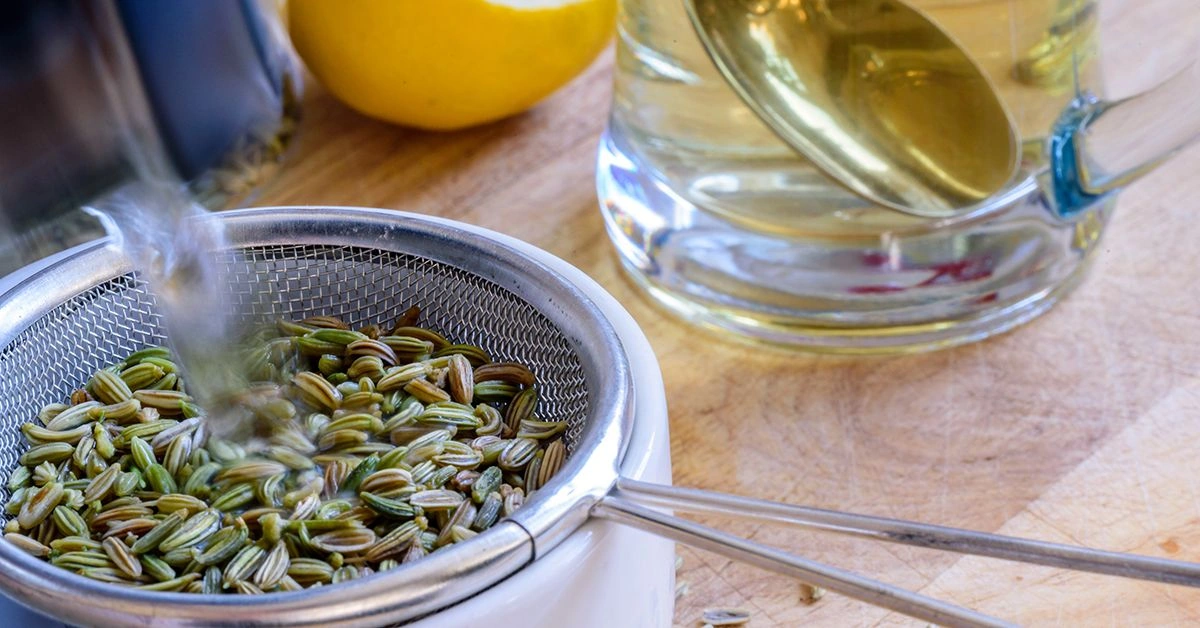
Fennel tea may help with issues like constipation relief, supporting digestion, and promoting better sleep. You can prepare fennel tea from fresh fennel seeds or purchase prebagged tea that’s ready to steep.
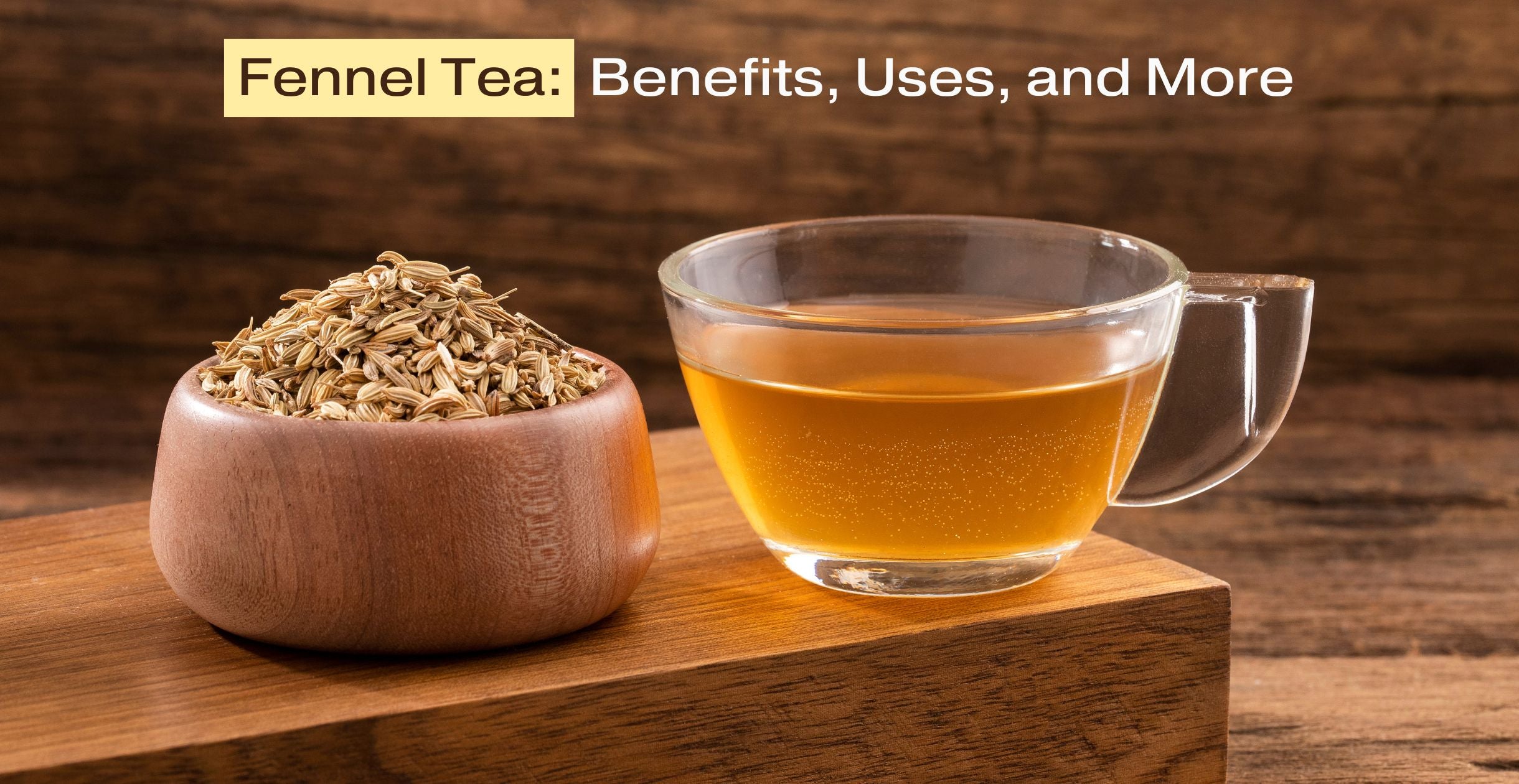
Fennel is a tall herb with hollow stalks and yellow blossoms. Originating in the Mediterranean, it now grows worldwide and has been used for centuries as a medicinal plant.
By crushing and steeping fennel seeds you can make a fragrant, potent tea. The flavor is mildly licorice-like, with a soothing aroma and a slightly bitter finish. Fennel tea is also available in most supermarkets and health-food stores.
Research indicates that fennel tea may provide several health advantages, including improvements in digestion, memory, and antioxidant status. Continue reading to discover more about fennel tea’s possible benefits, adverse effects, and suggested usage.
Health benefits of fennel tea
People have used fennel for both nutrition and therapeutic purposes across history. It possesses multiple properties that could support human health, such as antibacterial, anti-inflammatory, and analgesic effects.
Below are some of the potential ways fennel tea might benefit health.
Combating infections
A 2023 review reports studies that show fennel’s antimicrobial and antiviral activity. The authors note fennel’s traditional use for treating minor ailments like coughs and the common cold.
If you sense the onset of a cold, sipping fennel tea may help ease some symptoms.
Promoting sleep
Some individuals use fennel to encourage relaxation and address sleep issues such as insomnia. That said, a small 2018 trial of 50 menopausal women found no clear sleep benefits over a 12-week period.
Many people report that a warm cup of fennel tea helps them unwind and prepare for bed after a busy day. Nonetheless, more research is needed to determine whether fennel truly enhances sleep quality or duration.
Encouraging breast milk production
Historically, fennel has been used as a galactagogue — a substance thought to boost breastmilk volume and quality, according to a 2023 article.
In a study of 66 postpartum mothers, those consuming fennel tea produced more milk by day three compared with those who did not. However, fennel tea blends may include other components that influence this outcome, and study results have been inconsistent.
Further research is required to clarify fennel tea’s impact on lactation. If you’re breastfeeding, consult a healthcare provider about proven, safe strategies to improve milk supply.
Supporting digestion
If you struggle with an upset stomach, gas, or constipation, fennel tea might offer relief.
Fennel may ease and help prevent gastrointestinal discomfort because it has anti-inflammatory effects and may relax smooth muscle in the digestive tract.
Boosting antioxidant levels
A 2023 article notes that fennel is rich in antioxidants. Antioxidants help protect cells from damage caused by free radicals.
Making tea from fresh fennel seeds can provide a concentrated source of natural antioxidant compounds.
Freshening breath
A 2022 study suggests fennel is commonly used to freshen breath, especially after eating.
While additional research is needed, enjoying a cup of fennel tea after meals may help reduce unpleasant breath.
Side effects and risks of fennel tea
Most adults tolerate fennel well. However, fennel contains anethole, a compound that in large amounts may be toxic and cause adverse effects in infants.
If you are pregnant or nursing, consult a healthcare professional before using fennel tea or supplements.
Because fennel belongs to the carrot family, avoid it if you have allergies to carrots or related plants such as celery or mugwort.
Commercial herbal teas can include many different ingredients, so always review the label when buying fennel tea from a store.
How to make fennel tea
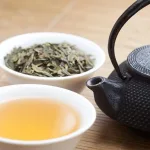
If you can source fresh fennel seeds from your garden or a health-food shop, follow these steps to brew your own fennel tea:
- crush the fennel seeds
- place the seeds in a tea infuser, teapot, or an empty tea bag
- steep the seeds in hot water for 5 to 10 minutes
Some people like to add honey or ginger to change the flavor of fennel tea.
Prepackaged fennel seed tea is also widely available. Keep in mind that the longer you steep it, the stronger the flavor will be.
Recommended fennel tea intake
Research on fennel tea uses a variety of dosages, so there’s no universally accepted amount or daily limit yet.
Because fennel affects digestion, begin with one cup and observe how your body responds before increasing consumption.
Final thoughts
Fennel is a traditional remedy that continues to be investigated for its therapeutic properties.
For most people, fennel tea appears to be a generally safe option that may help with certain problems like an upset stomach. Avoid fennel tea if you’re allergic to carrots, and consult your doctor if you’re pregnant or breastfeeding.
When introducing fennel tea into your routine, start slowly and monitor for any side effects you may experience.



















Leave a Reply
You must be logged in to post a comment.